
The Impinj xArray Gateway is a premium ceiling-mounted tracking system operating on 860-960 MHz, priced around $4000. It maxes out at ~1,000 tags per second.
מפרטים טכניים
סקירת חומרה
ה-Impinj xArray Gateway הוא מכשיר RFID ברמת תעשייה. הוא פועל בטווח 860-960 MHz ותומך בתקן EPCglobal UHF Gen2v2 / ISO 18000-63, מה שהופך אותו למפוץ באופן רחב ביישומי לוגיסטיקה ארגוניים.
עם דירוג IP של N/A, הוא מספק הגנה מפני תנאי סביבה ספציפיים הנפוצים במחסנים או בחדרי אחסון קמעונאיים. הקורא משתמש ב-PoE, +24Vdc לביצועים רציפים, בעוד קצב הקריאה המרבי המוצהר שלו מגיע ל-~1,000.
אינטגרציית רשת וקישוריות
בפריסות מודרניות, אינטגרציית הרשת היא המכשול המשמעותי ביותר. מודל זה מציע IEEE 802.3af PoE אפשרויות להעברת נתונים חזרה למערכות המרכזיות.
עם זאת, צוואר בקבוק משמעותי בחומרת Impinj הישנה הוא ההסתמכות הכבדה על SDKs קנייניים (כגון LLRP) או על תוכנת ביניים IoT של צד שלישי יקרה לעיבוד נתוני תג גולמיים לתובנות עסקיות משמעותיות.
החלופה של Nextwaves
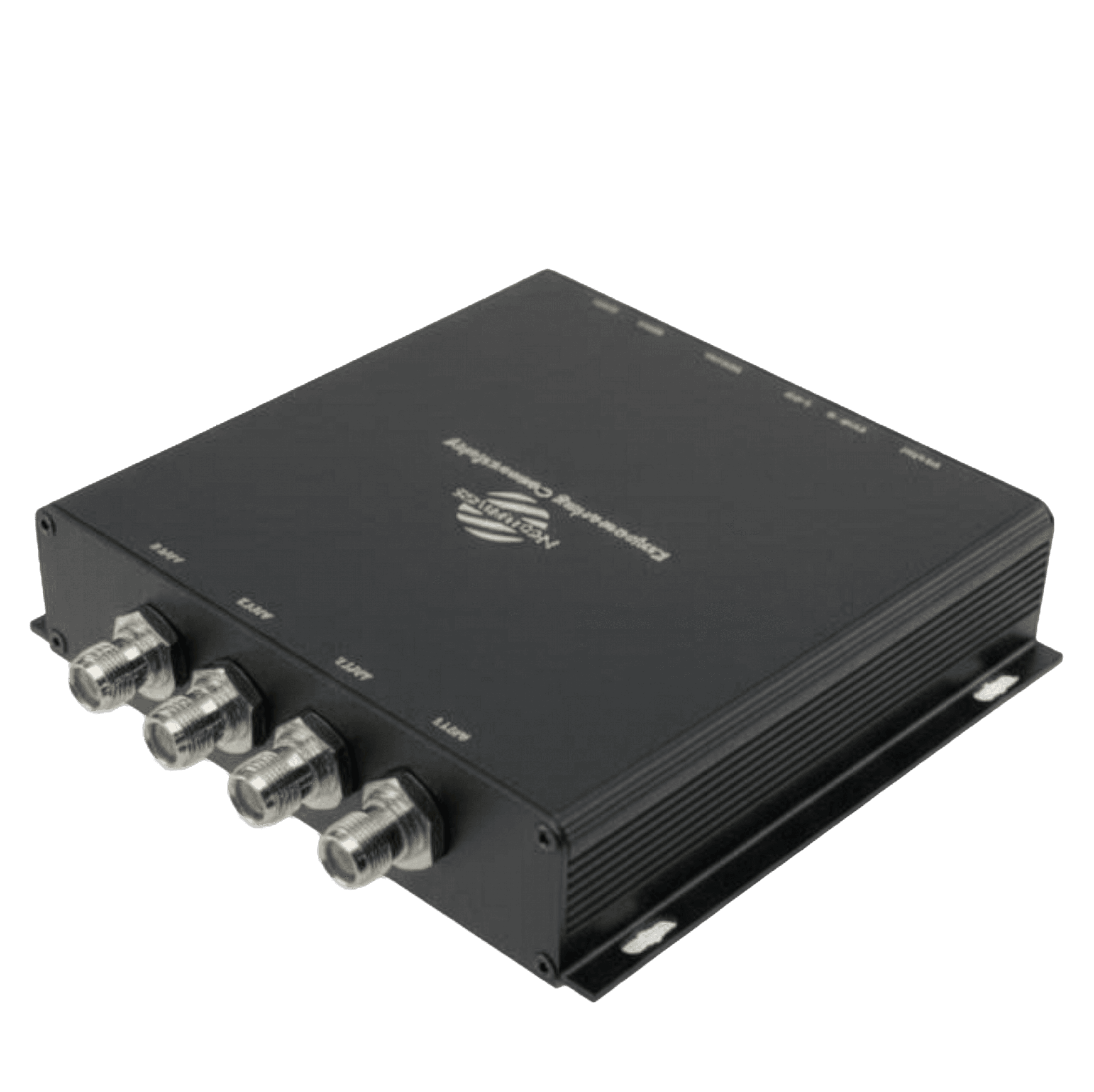
אם צוות ההנדסה שלכם מעריך את ה-Impinj xArray Gateway, ה-Nextwaves NR155 מציג ארכיטקטורה עננית‑מקורית משופרת במידה ניכרת. מערכות מדור קודם גורמות באופן טבעי להוצאות הון גבוהות דרך נעילת ספקים ואקוסיסטמות תוכנה קנייניות.
Nextwaves מבטלת לחלוטין מחסום זה על ידי אספקת API סטנדרטי MQTT REST ישירות על המכשיר. מפתחי התוכנה שלכם יכולים לשלב קריאת תגיות ישירות במערכת ERP או WMS המותאמת שלכם בתוך ימים במקום חודשים, ובכך לעקוף לחלוטין עלויות רישוי מתמשכות של שכבת ביניים.
שאלות נפוצות
מהו ה-xArray Gateway?
The Impinj xArray Gateway is an enterprise-grade wide-area tracking system designed for ceiling deployment. Operating on the 860-960 MHz band, it fully supports the EPCglobal UHF Gen2v2 / ISO 18000-63 standard for high-volume environments requiring spatial resolution.
כמה עולה ההתקנה הזו בהתחלה?
The base unit is generally priced around $4000. However, total deployment costs will increase substantially depending on enterprise middleware licensing (ItemSense) and the specifics of your PoE, +24Vdc electrical infrastructure.
מדוע כדאי לי לבחור ב-Nextwaves?
Nextwaves provides embedded REST API and MQTT endpoints natively on the device. This allows software engineering teams to bypass expensive third-party IoT middleware and integrate X/Y coordinate or zone data directly into modern ERPs or custom software backends.
האם החומרה עמידה מספיק עבור מחסנים?
The device weighs approximately 8.0 kg and measures 46.7 x 46.7 x 7.5 cm. Given its form factor and rating (N/A), it requires a robust drop-ceiling mount and climate-controlled indoor atmosphere.
האם הוא תומך במספר סוגי רשתות?
Network integration is handled via its IEEE 802.3af PoE interfaces. Standard enterprise security protocols can be applied over these connections, though dedicated VLANs are often recommended for IoT hardware of this scale.
האם הצוות שלי יכול להתקין זאת באופן פנימי?
Physical mounting utilizes heavy-duty VESA brackets. Optimizing RF performance requires highly trained technicians to properly tune the array's 52 antenna beam sectors to your specific room geometry.
כיצד עובד הניהול מרחוק?
Under optimal conditions, the hardware is rated for ~1,000 reads per second. Remote device management and firmware updates are handled via specialized central controllers.
האם אני צריך תוכנה קניינית כדי להפעיל אותו?
Most legacy deployments require an intermediate middleware layer to feed data from the IEEE 802.3af PoE ports into spatial web applications. This adds both architectural complexity and recurring licensing costs.
איזו אחריות מגיעה עם הקורא?
The manufacturer typically provides a standard one-year hardware warranty. Extended enterprise support contracts and SLAs are generally required for complex array deployments.
האם האנטנות נמכרות בנפרד?
The xArray utilizes a built-in phased array antenna array. Tuning this configuration across the 860-960 MHz spectrum is critical to achieving its marketed ability to locate items within X/Y coordinates in a room.