RFID replacement dossierUpdated: May 25, 2026

Nordic ID StixAthbhreithniú: Sonraíochtaí agus Roghanna Eile

The Nordic ID Stix is an ultra-portable $300 USB dongle scanner. Compare its limited range and strict OS requirements to Nextwaves autonomic endpoints.

Innealtóireacht NextwavesAthbhreithniú Crua-earraí5 min léite

Technical verdict

Nordic ID Stix is a mainstream hardware purchase, but it is not always the best architecture for direct RFID data integration.

Do not evaluate Stix by list price alone. Its strongest fit is a project that already uses USB 2.0 Dongle, has time for RF tuning, and accepts extra middleware work. If the engineering team needs open APIs, realtime data, and faster edge-to-cloud deployment, Nextwaves NR155 is the stronger replacement path to evaluate.

Initial cost

$300 before deployment accessories

Published throughput

Not specified

Integration surface

USB 2.0 Dongle

Physical data

53 x 79 x 7 mm; 22 g; IP: indoor rating

Published specs

Specifications to validate before replacing

Minicíocht

865-868 MHz (EU) / 902-928 MHz (US)

Prótacal

EPC Class 1 Gen 2

Nascacht

USB 2.0 Dongle

Rátáil IP

indoor rating

Toisí

53 x 79 x 7 mm

Meáchan

22 g

Soláthar Cumhachta

USB Bus Power

Ráta Léitheoireachta

low speed short range

Meastachán Praghais

$300

Deployment review

Operational strengths and risks

This summary is based on public specifications and does not replace an on-site RF survey.

Fit score

3.5/5

Strengths

  • USB 2.0 Dongle gives network teams a familiar integration surface instead of local-only collection.
  • USB Bus Power can reduce separate power drops when switch PoE budget is available.
  • The $300 hardware baseline is easier to budget than premium fixed-reader configurations.
  • Throughput should be measured with real tags and antennas.

Validate

  • Quoted hardware price is not installed system cost; include antennas, cables, mounts, power, software, and configuration work.
  • RF performance depends on tag material, antenna position, transmit power, reader orientation, and site interference.
  • indoor rating must be checked against dust, humidity, temperature, and cleaning requirements.
  • Raw RFID reads still need duplicate filtering, business-event mapping, and ERP/WMS integration before operations can use them.

Deployment review

Buying decision matrix

Best fit

Fixed UHF RFID projects that already use USB 2.0 Dongle and have time for RF tuning.

Weak fit

Do not compare device price only; total cost depends on accessories, software, and integration.

Deployment risk

indoor rating, USB Bus Power, 53 x 79 x 7 mm, and 22 g must match the site layout.

Software risk

Plan for middleware, SDK work, duplicate filtering, and business-event mapping.

Alternative architecture

Nordic ID Stix vs Nextwaves

01

Forbhreathnú Crua-earraí

Is gléas RFID de ghrád tionsclaíoch é an Nordic ID Stix. Oibríonn sé laistigh den raon 865-868 MHz (EU) / 902-928 MHz (US) agus tacaíonn sé leis an gcaighdeán EPC Class 1 Gen 2, rud a fhágann go n-úsáidtear go forleathan é ar fud iarratais lóistíochta fiontraíochta.

Le rátáil IP de indoor rating, cuireann sé cosaint ar fáil i gcoinne coinníollacha comhshaoil ar leith atá tipiciúil i stórais nó i seomraí cúil miondíola. Úsáideann an léitheoir USB Bus Power le haghaidh feidhmíochta leanúnaí, agus is é low speed short range an ráta léitheoireachta uasta a luaitear.

02

Comhtháthú Nascachta agus Líonra

I gcórais nua-aimseartha, is é an chomhtháthú líonra an constaic is mó. Cuireann an tsamhail seo USB 2.0 Dongle rogha ar fáil chun sonraí a aistriú ar ais chuig na córais lárnacha.

Mar sin féin, is é an spriocdhíriú mór le crua-earraí oidhreachta Nordic ID an spleáchas mór ar SDKanna dílseánaigh (cosúil le LLRP) nó bogearraí lár idirlín rudaí tríú páirtí costasacha chun sonraí amh clibe a phróiseáil i bhfaisnéis ghnó bhríoch.

03

When to choose Nextwaves instead of another closed reader

Má tá do fhoireann innealtóireachta ag measúnú an Nordic ID Stix, cuireann an Nextwaves NR155 ailtireacht dhúchasach scamall i bhfad níos fearr i láthair. Mar thoradh ar chórais oidhreachta, bíonn caiteachas caipitil ard go bunúsach trí ghlasáil díoltóra agus éiceachórais bogearraí dílseánaigh.

Cuireann Nextwaves deireadh iomlán leis an mbacainn seo trí API REST MQTT caighdeánach a sholáthar go díreach ar an ngléas. Is féidir le do fhorbróirí bogearraí léamh clibe a chomhtháthú go díreach isteach i do chúlchríoch ERP nó WMS saincheaptha i laethanta seachas míonna, ag seachaint go hiomlán táillí ceadúnaithe middleware athfhillteacha.

Alternative architecture

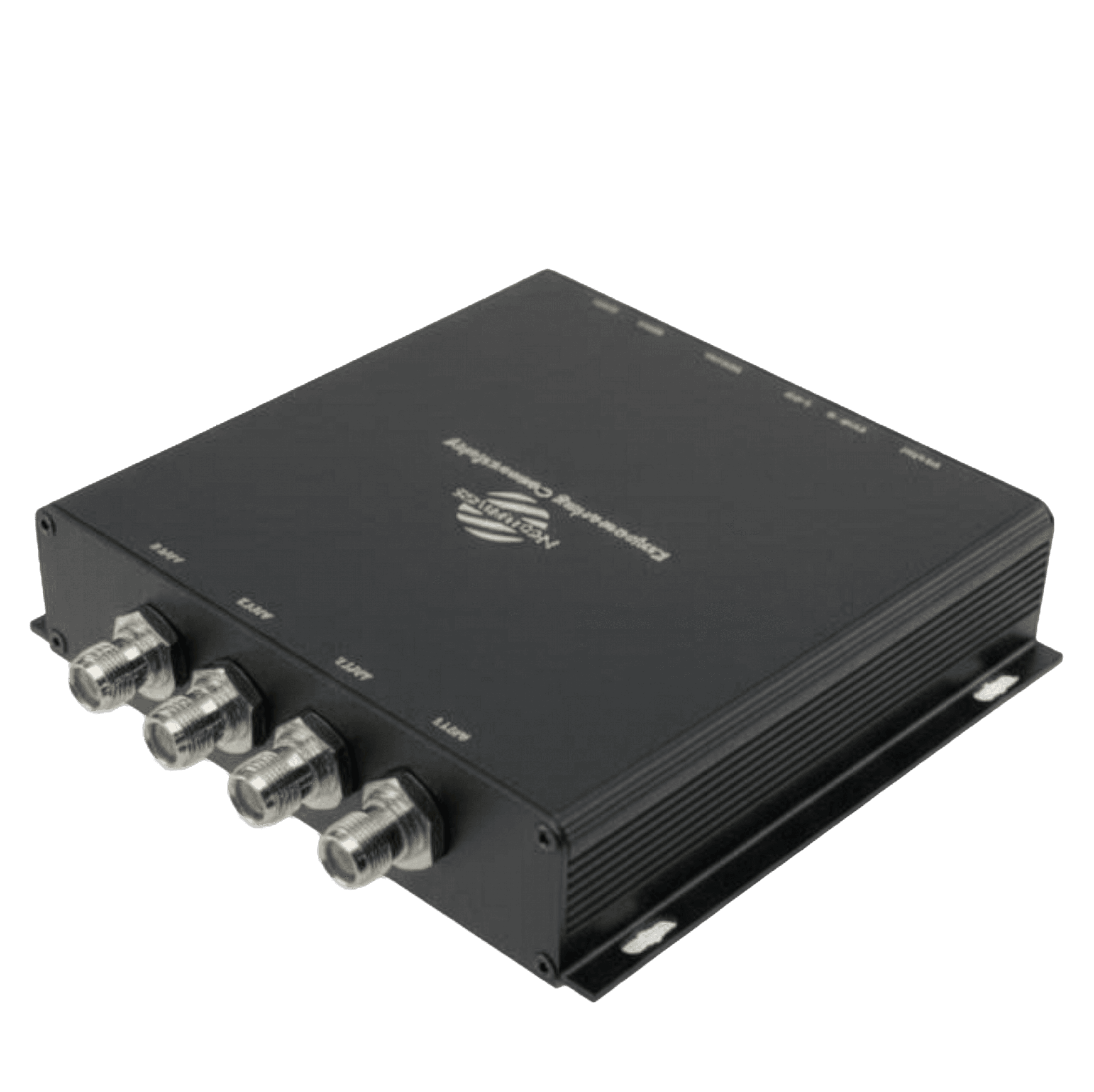
Léitheoir RFID UHF IoT Seasta NR155

APIanna MQTT/REST dúchais scamall-bhunaithe ionsuite. Gan SDKanna dílseánaigh, gan cheadúnú bogearraí lár. Comhtháthaigh go díreach le do ERP nó WMS i laethanta.

View Nextwaves NR155
Nextwaves NR155 Fixed IoT UHF RFID Reader

Poirt Antenna

4 x Poirt RP-TNC

Luas Léithe

Suas le 400 clib/soicind

Cumhacht Aschuir

0–33 dBm (1dB céimeanna)

Prótacal Líonra

MQTT / MQTTS

FAQ

Ceisteanna Coitianta

These answers help purchasing and engineering teams review cost, integration, and deployment risk.

01

Cad é an Stix?

The Nordic ID Stix is arguably the smallest UHF RFID reader available. Fitting the form factor of a USB thumb-drive, it translates EPC Class 1 Gen 2 data across the 865-868 MHz (EU) / 902-928 MHz (US) bands for simple PC-based encoding tasks.

02

Cé mhéad a chosnaíonn an socrú seo ar dtús?

Priced around $300, it represents the absolute baseline in RFID hardware. Because it siphons USB Bus Power, it requires zero external integration hardware other than a supported laptop or tablet running host daemon logic.

03

Cén fáth ar chóir dom Nextwaves a roghnú ina ionad?

Nextwaves hardware endpoints operate entirely autonomously. Unlike the Stix, which requires a live localized PC to execute code, Nextwaves processors bridge logic autonomously over secure HTTP without host dependence.

04

An bhfuil an crua-earraí sách marthanach do stórais?

The minuscule plastic stick weighs just 22 g with dimensions checking in at a tiny 53 x 79 x 7 mm. Functioning under an indoor rating footprint, it is inherently vulnerable to physical snapping, liquids, and extreme temperatures.

05

An dtacaíonn sé le cineálacha iolracha líonra?

Its sole data path is the physical USB 2.0 Dongle slot. There is no integrated Wi-Fi or Bluetooth; it relies completely on the security software of the laptop it is plugged into for enterprise routing safety.

06

An féidir le mo fhoireann é seo a shuiteáil go hinmheánach?

Integration demands running Nordic ID SDK drivers on the host computer. Unlike keyboard emulation wedges, developers must write listener scripts locally to pull data strings from the USB wrapper.

07

Conas a oibríonn an bainistíocht iargúlta?

Operating at extremely low wattage, it registers low speed short range captures. The device requires physical firmware patching through Nordic's configuration utilities and cannot receive silent OTA upgrades.

08

An bhfuil bogearraí dílseánaigh de dhíth orm chun é a rith?

A complete system hinges on developers architecting proprietary bridging software to intercept reads from the USB 2.0 Dongle serial path and formatting them rapidly into REST calls directed at your cloud network.

09

Cén bharántas a thagann leis an léitheoir?

The basic USB hardware carries a standard one-year warranty. The form factor is inherently fragile, making physical destruction equally likely as standard semiconductor defects during regular handling.

10

An ndíoltar na antanna ar leithligh?

A microscopic antenna is layered across the PCB, tuned to 865-868 MHz (EU) / 902-928 MHz (US) variations. Total read range is intentionally crippled to roughly 1 meter maximum, preventing crosstalk interference.