The Laird S9028PCL/PCR are $150 US-band passive antennas. Analyze required external RF reader costs vs Nextwaves monolithic standalone arrays.
Sonraíochtaí Teicniúla
Forbhreathnú Crua-earraí
Is gléas RFID de ghrád tionsclaíoch é an Laird S9028PCL/PCR. Oibríonn sé laistigh den raon 902-928 MHz (FCC) agus tacaíonn sé leis an gcaighdeán N/A (Passive Antenna Element), rud a fhágann go n-úsáidtear go forleathan é ar fud iarratais lóistíochta fiontraíochta.
Le rátáil IP de IP54, cuireann sé cosaint ar fáil i gcoinne coinníollacha comhshaoil ar leith atá tipiciúil i stórais nó i seomraí cúil miondíola. Úsáideann an léitheoir N/A (Passive) le haghaidh feidhmíochta leanúnaí, agus is é N/A (Passive) an ráta léitheoireachta uasta a luaitear.
Comhtháthú Nascachta agus Líonra
I gcórais nua-aimseartha, is é an chomhtháthú líonra an constaic is mó. Cuireann an tsamhail seo Coaxial Type N / SMA rogha ar fáil chun sonraí a aistriú ar ais chuig na córais lárnacha.
Mar sin féin, is é an spriocdhíriú mór le crua-earraí oidhreachta Laird an spleáchas mór ar SDKanna dílseánaigh (cosúil le LLRP) nó bogearraí lár idirlín rudaí tríú páirtí costasacha chun sonraí amh clibe a phróiseáil i bhfaisnéis ghnó bhríoch.
An Rogha Eile Nextwaves
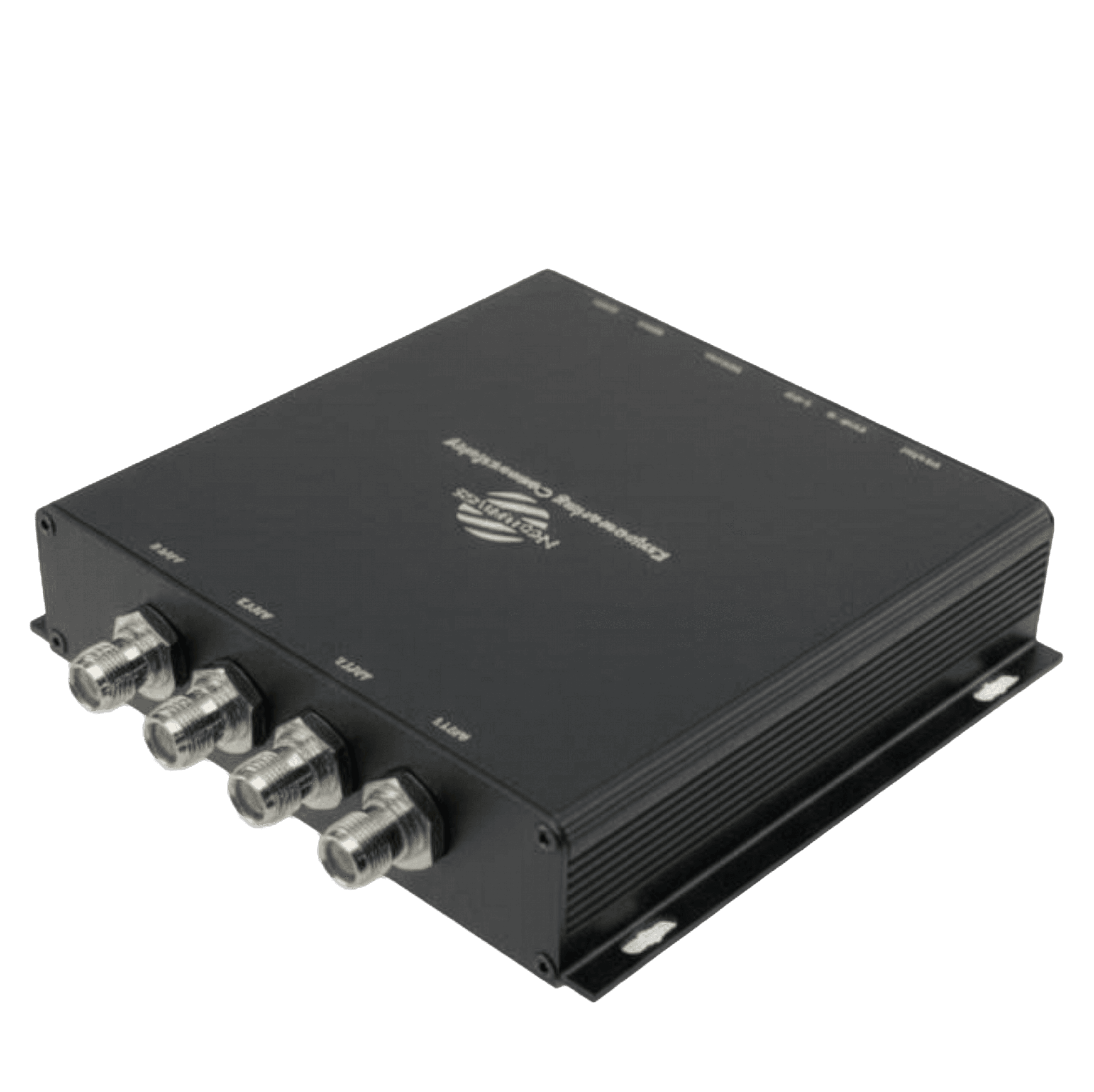
Má tá do fhoireann innealtóireachta ag measúnú an Laird S9028PCL/PCR, cuireann an Nextwaves NR155 ailtireacht dhúchasach scamall i bhfad níos fearr i láthair. Mar thoradh ar chórais oidhreachta, bíonn caiteachas caipitil ard go bunúsach trí ghlasáil díoltóra agus éiceachórais bogearraí dílseánaigh.
Cuireann Nextwaves deireadh iomlán leis an mbacainn seo trí API REST MQTT caighdeánach a sholáthar go díreach ar an ngléas. Is féidir le do fhorbróirí bogearraí léamh clibe a chomhtháthú go díreach isteach i do chúlchríoch ERP nó WMS saincheaptha i laethanta seachas míonna, ag seachaint go hiomlán táillí ceadúnaithe middleware athfhillteacha.
Ceisteanna Coitianta
Cad é an S9028PCL/PCR?
The Laird S9028PCL (Left-Hand) and PCR (Right-Hand) are ruggedized, circularly polarized passive antennas. Locked strictly to the 902-928 MHz (FCC) North American block, they project high-gain beams when excited by external active transceiver logic.
Cé mhéad a chosnaíonn an socrú seo ar dtús?
A raw plate costs roughly $150. Integrators assume the subsequent costs of securing high-end RF reader controllers, shielding coaxial cable trenches, and engineering the required Linux-based software routing frameworks.
Cén fáth ar chóir dom Nextwaves a roghnú ina ionad?
Building portal chokepoints using discrete RF antennas entails painful impedance engineering. Nextwaves consolidates both the powerful RF board and the IP gateway inside one sealed panel, removing external logic entirely.
An bhfuil an crua-earraí sách marthanach do stórais?
Operating inside an IP54 weather-resistant shell, it measures roughly 260 x 260 x 33 mm and weighs 1.04 kg. It readily handles dense warehouse grit but lacks sealing necessary for intense wash-down cycles.
An dtacaíonn sé le cineálacha iolracha líonra?
Network routing is completely non-applicable to physical broadcast plates. All connections occur physically over Coaxial Type N / SMA edge sockets trailing strictly back to the active master block.
An féidir le mo fhoireann é seo a shuiteáil go hinmheánach?
Physical setup involves aiming the plates accurately along heavy-duty VESA arms. Network engineers must use expensive VNA spectrum analyzers to assure proper RF alignment and calculate decibel line-loss over the coaxial lengths.
Conas a oibríonn an bainistíocht iargúlta?
With a N/A (Passive) rating, read volumes depend exclusively upon the parent system driving the board. Expanding throughput necessitates replacing the parent reader matrix, not the passive plate itself.
An bhfuil bogearraí dílseánaigh de dhíth orm chun é a rith?
There is zero software logic present. Programmatic interfaces must be directed towards the SDKs controlling the central interrogator box supplying current through the coaxial leads.
Cén bharántas a thagann leis an léitheoir?
Like most large passive elements, the rugged fiberglass radome shields the array components securely, offering standard 1-year defenses against purely manufacturing-related breakage.
An ndíoltar na antanna ar leithligh?
Pushing an aggressive 8.5 dBic output, operators typically alternate Left and Right Hand (PCL/PCR) models on opposing portal walls across the 902-928 MHz (FCC) band to destroy complex multipath nulls.