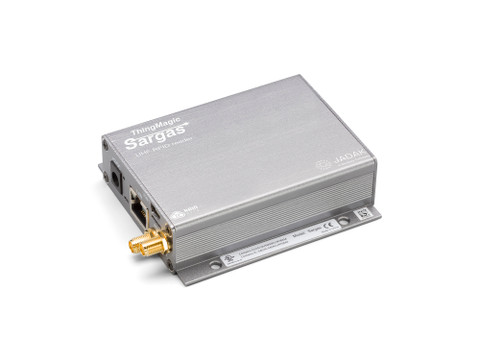
The Sargas 2-Port is a compact edge computing reader operating on UHF/RAIN frequencies. Starting at $1000. See how it compares to Nextwaves open architecture.
Zehaztapen Teknikoak
Hardwarearen Ikuspegi Orokorra
ThingMagic (JADAK) Sargas (2-Port) RFID gailu industrial bat da. UHF/RAIN (global) tartean funtzionatzen du eta EPC Gen2V2, ISO 18000-63, Gen2X estandarra onartzen du, enpresen logistika aplikazioetan oso zabalduta egon dadin.
IP52 IP balorazioarekin, biltegi edo txikizkako atzeko gelatan ohikoak diren ingurumen baldintza zehatzen aurkako babesa eskaintzen du. Irakurgailuak 4.5-5.5V DC erabiltzen du etengabeko errendimendurako, eta bere irakurketa-abiadura maximoa 750 da.
Konektibitatea eta Sarearen Integrazioa
Egungo inplementazioetan, sarearen integrazioa da oztopo nagusia. Eredu honek RJ45, USB A/B, Micro-SD, 4 GPIO aukera eskaintzen ditu datuak sistema zentraletara transferitzeko.
Hala ere, ThingMagic (JADAK) hardware zaharkituaren arazo nagusia SDK jabedunen (LLRP bezalakoak) edo hirugarrenen IoT middleware garestien menpekotasun handia da, etiketen datu gordinak negozio adimen esanguratsu bihurtzeko.
Nextwaves Alternatiba
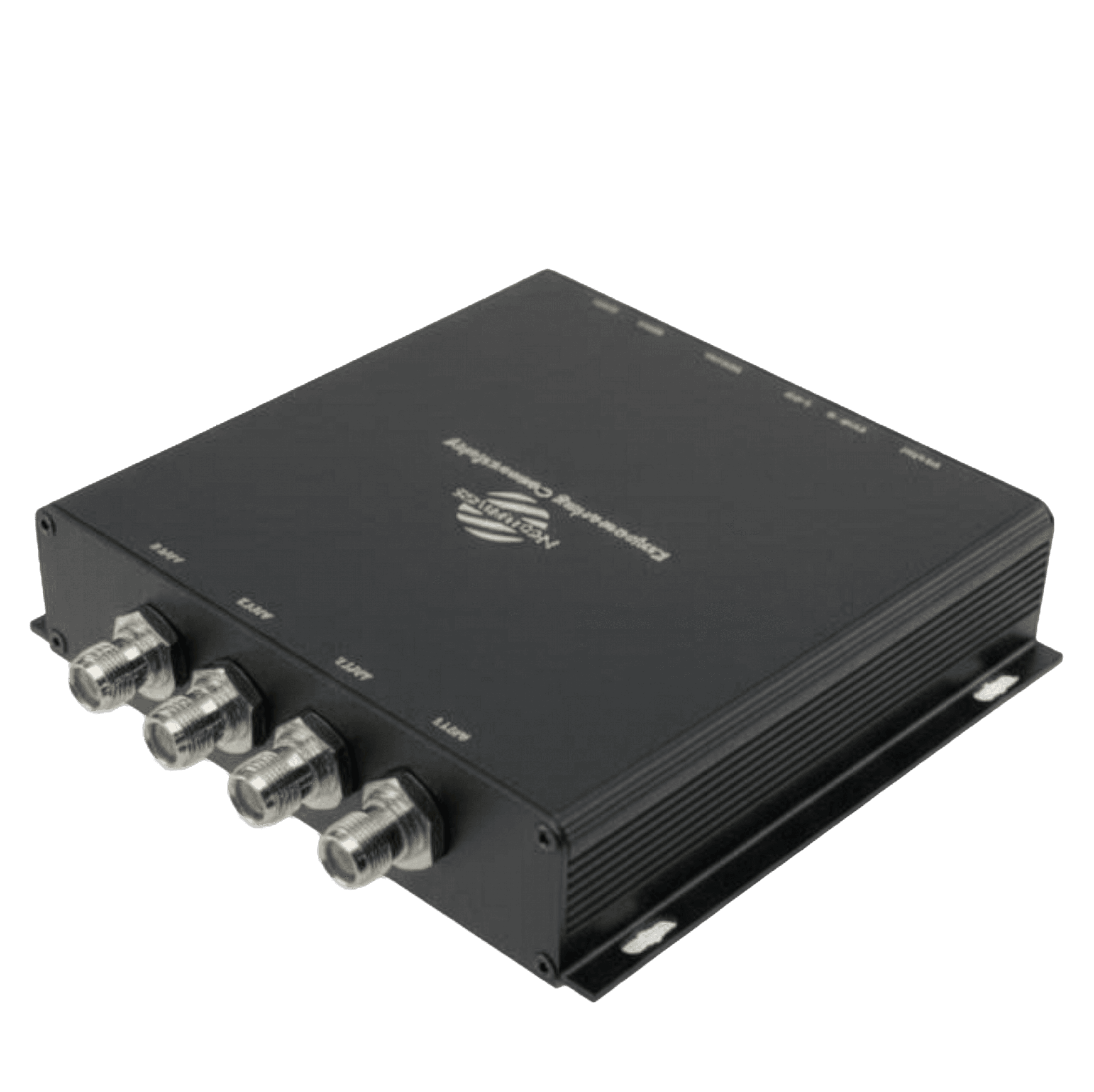
Zure ingeniaritza taldea ThingMagic (JADAK) Sargas (2-Port) ebaluatzen ari bada, Nextwaves NR155-ak hodeian oinarritutako arkitektura askoz hobea aurkezten du. Ondare-sistemek kapital-gastu handiak eragiten dituzte saltzaileen blokeoaren eta software-ekosistema jabedunen bidez.
Nextwaves-ek oztopo hori guztiz ezabatzen du MQTT REST API estandar bat gailuan zuzenean eskainiz. Zure software garatzaileek etiketen irakurketa zuzenean integra dezakete zure ERP edo WMS atzeko plano pertsonalizatuan egunetan, hilabetetan baino, bitarteko lizentzia-kuota errepikariak guztiz saihestuz.
Galdera Arruntenak
Zer da Sargas (2-Port)?
The ThingMagic (JADAK) Sargas 2-Port is an embedded edge reader designed around the M6e Micro module. Operating on the UHF/RAIN (global) band, it is built to handle strict EPC Gen2V2, ISO 18000-63, Gen2X protocol standards within a compact footprint.
Zenbat balio du konfigurazio honek hasieran?
The unit retails around $1000. Comprehensive project budgeting must also account for two external RP-SMA antennas, required coaxial cabling, and the provision of a steady 4.5-5.5V DC power source.
Zergatik aukeratu beharko nuke Nextwaves besteen ordez?
Nextwaves provides embedded REST API and MQTT endpoints natively on the hardware. Software engineering teams bypass the proprietary Mercury API format and integrate JSON RFID events directly into modern cloud management systems.
Hardwarea nahikoa iraunkorra al da biltegietarako?
The aluminum enclosure weighs approximately 0.27 kg and measures 87 x 80 x 23.8 mm. This compact IP52-rated chassis is easily embedded inside smart cabinets or secondary industrial enclosures.
Sare mota anitz onartzen al ditu?
Network integration utilizes RJ45, USB A/B, Micro-SD, 4 GPIO connections. The 4 hardware logic GPIO pins are frequently used to trigger scanning based on external photoelectric sensors or PLC relays.
Nire taldeak barnean instala al dezake hau?
Hardware mounting utilizes standard corner flange holes. To optimize detection, software teams must utilize custom C/C++ or Java routines via the Mercury API to finely tune power amplitude curves based on environmental reflections.
Nola funtzionatzen du urruneko kudeaketak?
Under optimal tuning parameters, the micro-module core is rated up to 750 tag reads per second. Remote administration is heavily reliant on JADAK's custom Universal Reader Assistant suite.
Software jabedunik behar al dut hura exekutatzeko?
Typically, bridging data from the RJ45, USB A/B, Micro-SD, 4 GPIO ports into modern web stacks requires an intermediate middleware system or proprietary SDK implementation, which increases technical debt.
Zer berme dakar irakurgailuak?
The manufacturer provides a standard one-year hardware warranty against component failure. Critical integration paths should often be supplemented by authorized VAR support agreements.
Antenak bereiz saltzen al dira?
External antennas must be attached to the two RP-SMA terminal ports. Tuning the system dynamically across the UHF/RAIN (global) band is necessary to prevent FCC/ETSI non-compliance while maximizing read strength.