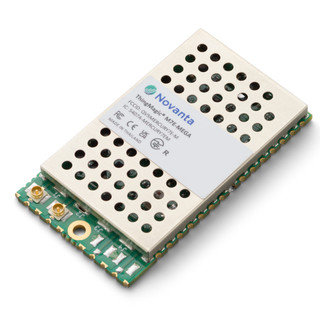
The ThingMagic M7e-Mega is an $200 Impinj E710 OEM module. Evaluate its raw UART integration requirements against Nextwaves standalone IP gateways.
Zehaztapen Teknikoak
Hardwarearen Ikuspegi Orokorra
ThingMagic (JADAK) M7e-Mega RFID gailu industrial bat da. Global (860-960 MHz) tartean funtzionatzen du eta EPC Gen2v2, ISO 18000-63 estandarra onartzen du, enpresen logistika aplikazioetan oso zabalduta egon dadin.
Bare PCB (None) IP balorazioarekin, biltegi edo txikizkako atzeko gelatan ohikoak diren ingurumen baldintza zehatzen aurkako babesa eskaintzen du. Irakurgailuak 3.3V to 5.25V DC erabiltzen du etengabeko errendimendurako, eta bere irakurketa-abiadura maximoa up to ~800 tags/sec da.
Konektibitatea eta Sarearen Integrazioa
Egungo inplementazioetan, sarearen integrazioa da oztopo nagusia. Eredu honek UART Serial / USB aukera eskaintzen ditu datuak sistema zentraletara transferitzeko.
Hala ere, ThingMagic (JADAK) hardware zaharkituaren arazo nagusia SDK jabedunen (LLRP bezalakoak) edo hirugarrenen IoT middleware garestien menpekotasun handia da, etiketen datu gordinak negozio adimen esanguratsu bihurtzeko.
Nextwaves Alternatiba
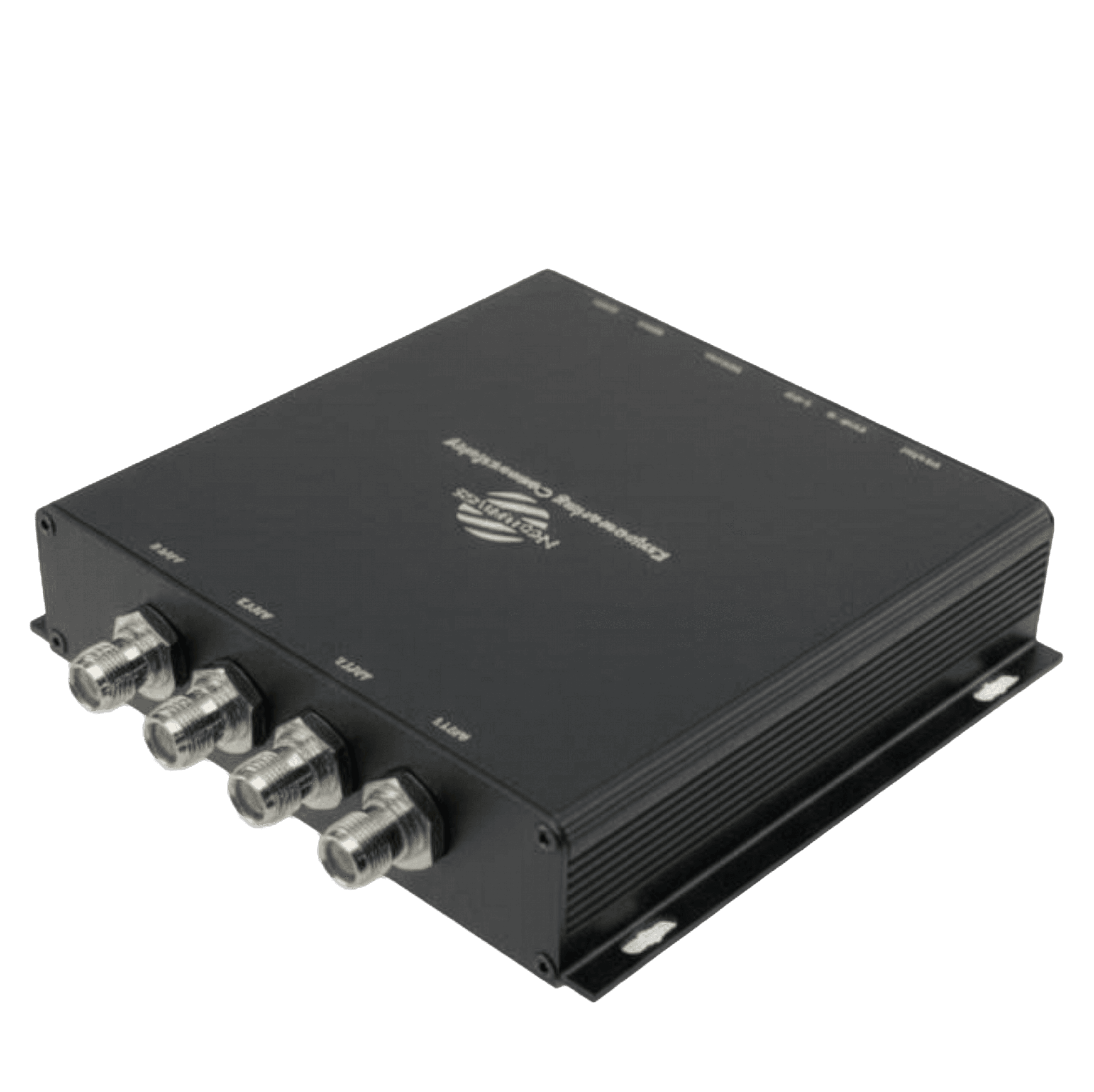
Zure ingeniaritza taldea ThingMagic (JADAK) M7e-Mega ebaluatzen ari bada, Nextwaves NR155-ak hodeian oinarritutako arkitektura askoz hobea aurkezten du. Ondare-sistemek kapital-gastu handiak eragiten dituzte saltzaileen blokeoaren eta software-ekosistema jabedunen bidez.
Nextwaves-ek oztopo hori guztiz ezabatzen du MQTT REST API estandar bat gailuan zuzenean eskainiz. Zure software garatzaileek etiketen irakurketa zuzenean integra dezakete zure ERP edo WMS atzeko plano pertsonalizatuan egunetan, hilabetetan baino, bitarteko lizentzia-kuota errepikariak guztiz saihestuz.
Galdera Arruntenak
Zer da M7e-Mega?
The ThingMagic (JADAK) M7e-Mega is a high-grade surface mount module leveraging the flagship Impinj E710 IC design. Sweeping over Global (860-960 MHz) spans, it targets EPC Gen2v2, ISO 18000-63 tags intended to build bespoke fixed overhead portal or tunnel systems.
Zenbat balio du konfigurazio honek hasieran?
Single raw modules cost roughly $200. The OEM assumes significant financial risk managing mass PCB assembly processes, specialized thermal chassis designs, embedded Linux processor routing, and full FCC testing protocols.
Zergatik aukeratu beharko nuke Nextwaves besteen ordez?
Integrating raw modules ties engineering resources directly to hardware debugging. Nextwaves provides out-of-the-box sealed edge IP readers equipped with secure web APIs, letting developers focus solely on backend dashboarding.
Hardwarea nahikoa iraunkorra al da biltegietarako?
Physically, the wafer is unshielded, holding a strict Bare PCB (None) rating over its 46 x 26 x 4 mm and 3 g footprint. The enclosure engineered by the OEM dictates its ultimate moisture and dust tolerances.
Sare mota anitz onartzen al ditu?
Data routing on the board is bottlenecked directly through UART Serial / USB surface pins. Bridging into a standard network necessitates marrying the module to a robust Raspberry Pi or similar generic MCU.
Nire taldeak barnean instala al dezake hau?
Setup demands surface-mount soldering the transceiver array logic. Programmers must use the ThingMagic Mercury SDK to interface directly with the module and orchestrate the tight RF hopping intervals and anti-collision windows.
Nola funtzionatzen du urruneko kudeaketak?
Because it utilizes the robust E710 IC, read throughput can theoretically hit up to ~800 tags/sec. Maintaining this relies inherently on the host CPU preventing localized serial buffer choke points.
Software jabedunik behar al dut hura exekutatzeko?
Software routing mandates building daemon processes running on a parent Linux/RTOS box that translates localized hex streams passing out of the UART logic into compliant JSON packages shot towards cloud REST APIs.
Zer berme dakar irakurgailuak?
While the base silicon holds standard defect warranties, guaranteeing the lifecycle of customized high-power RF electronics relies entirely upon how effectively the OEM dissipates +30 dBm thermal build up.
Antenak bereiz saltzen al dira?
Equipped with up to four U.FL multiplexed antenna connectors operating within Global (860-960 MHz) constraints. Delivering up to +30 dBm natively, it provides the core engineering block required for enterprise zone monitoring.