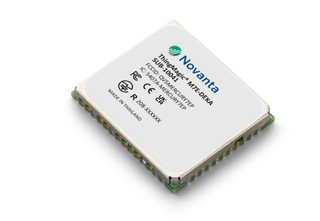
The ThingMagic M7e-Deka is a miniature $120 UHF module based on the Impinj E310 core. Understand the engineering costs for deep hardware embedding.
Zehaztapen Teknikoak
Hardwarearen Ikuspegi Orokorra
ThingMagic (JADAK) M7e-Deka RFID gailu industrial bat da. Global (860-960 MHz) tartean funtzionatzen du eta EPC Gen2v2, ISO 18000-63 estandarra onartzen du, enpresen logistika aplikazioetan oso zabalduta egon dadin.
Bare PCB (None) IP balorazioarekin, biltegi edo txikizkako atzeko gelatan ohikoak diren ingurumen baldintza zehatzen aurkako babesa eskaintzen du. Irakurgailuak 3.3V to 5.25V DC erabiltzen du etengabeko errendimendurako, eta bere irakurketa-abiadura maximoa up to ~300 tags/sec da.
Konektibitatea eta Sarearen Integrazioa
Egungo inplementazioetan, sarearen integrazioa da oztopo nagusia. Eredu honek UART Serial / USB aukera eskaintzen ditu datuak sistema zentraletara transferitzeko.
Hala ere, ThingMagic (JADAK) hardware zaharkituaren arazo nagusia SDK jabedunen (LLRP bezalakoak) edo hirugarrenen IoT middleware garestien menpekotasun handia da, etiketen datu gordinak negozio adimen esanguratsu bihurtzeko.
Nextwaves Alternatiba
Zure ingeniaritza taldea ThingMagic (JADAK) M7e-Deka ebaluatzen ari bada, Nextwaves NR155-ak hodeian oinarritutako arkitektura askoz hobea aurkezten du. Ondare-sistemek kapital-gastu handiak eragiten dituzte saltzaileen blokeoaren eta software-ekosistema jabedunen bidez.
Nextwaves-ek oztopo hori guztiz ezabatzen du MQTT REST API estandar bat gailuan zuzenean eskainiz. Zure software garatzaileek etiketen irakurketa zuzenean integra dezakete zure ERP edo WMS atzeko plano pertsonalizatuan egunetan, hilabetetan baino, bitarteko lizentzia-kuota errepikariak guztiz saihestuz.

Galdera Arruntenak
Zer da M7e-Deka?
The ThingMagic (JADAK) M7e-Deka is an embedded UHF RFID transceiver board engineered around the Impinj E310 IC. Capable of EPC Gen2v2, ISO 18000-63 decoding over the Global (860-960 MHz) block, it is used primarily in point-of-sale peripherals.
Zenbat balio du konfigurazio honek hasieran?
Raw modules cost approximately $120 per unit. Like all SMD components, the true cost scales drastically when budgeting for carrier boards, antenna arrays, power management logic, and the central microprocessor.
Zergatik aukeratu beharko nuke Nextwaves besteen ordez?
Embedding raw RF modules requires extensive C++ firmware expertise. Nextwaves supplies ready-to-mount smart nodes that already possess the physical casing, power management, and HTTP bridging logic, saving months of engineering.
Hardwarea nahikoa iraunkorra al da biltegietarako?
Because it is a bare circuit board measuring 46 x 26 x 4 mm and weighing just 3 g, the module carries a Bare PCB (None) rating. Operators must design a rigid enclosure to shield it from factory or retail dust.
Sare mota anitz onartzen al ditu?
Data pipes strictly through UART Serial / USB boundary logic pins. Bridging this data into enterprise networks requires the parent device to provide secondary Ethernet or Wi-Fi processors.
Nire taldeak barnean instala al dezake hau?
Final integration necessitates attaching the module onto a larger custom PCB. Software commands must be structured using the ThingMagic Mercury SDK executed securely by the master generic microprocessor.
Nola funtzionatzen du urruneko kudeaketak?
Optimized for mid-range scanning, the core IC scales processing to up to ~300 tags/sec. It serves primarily as a friction-less gateway rather than a massive area scanner.
Software jabedunik behar al dut hura exekutatzeko?
Transferring scanned strings to cloud infrastructure relies fully on your custom host firmware. To bypass legacy Bluetooth or Serial limitations, developers must code logic that pipes local serial streams into active REST connections.
Zer berme dakar irakurgailuak?
The hardware holds a standard 12-month defect warranty, but component lifecycle spans are deeply tied to the thermal efficiency and static shielding of the OEM's proprietary carrier board design.
Antenak bereiz saltzen al dira?
A single MMCX connection handles external antenna routing across the Global (860-960 MHz) bands. Peak transmit gain extends up to +27 dBm, which demands dedicated thermal throttling logic.