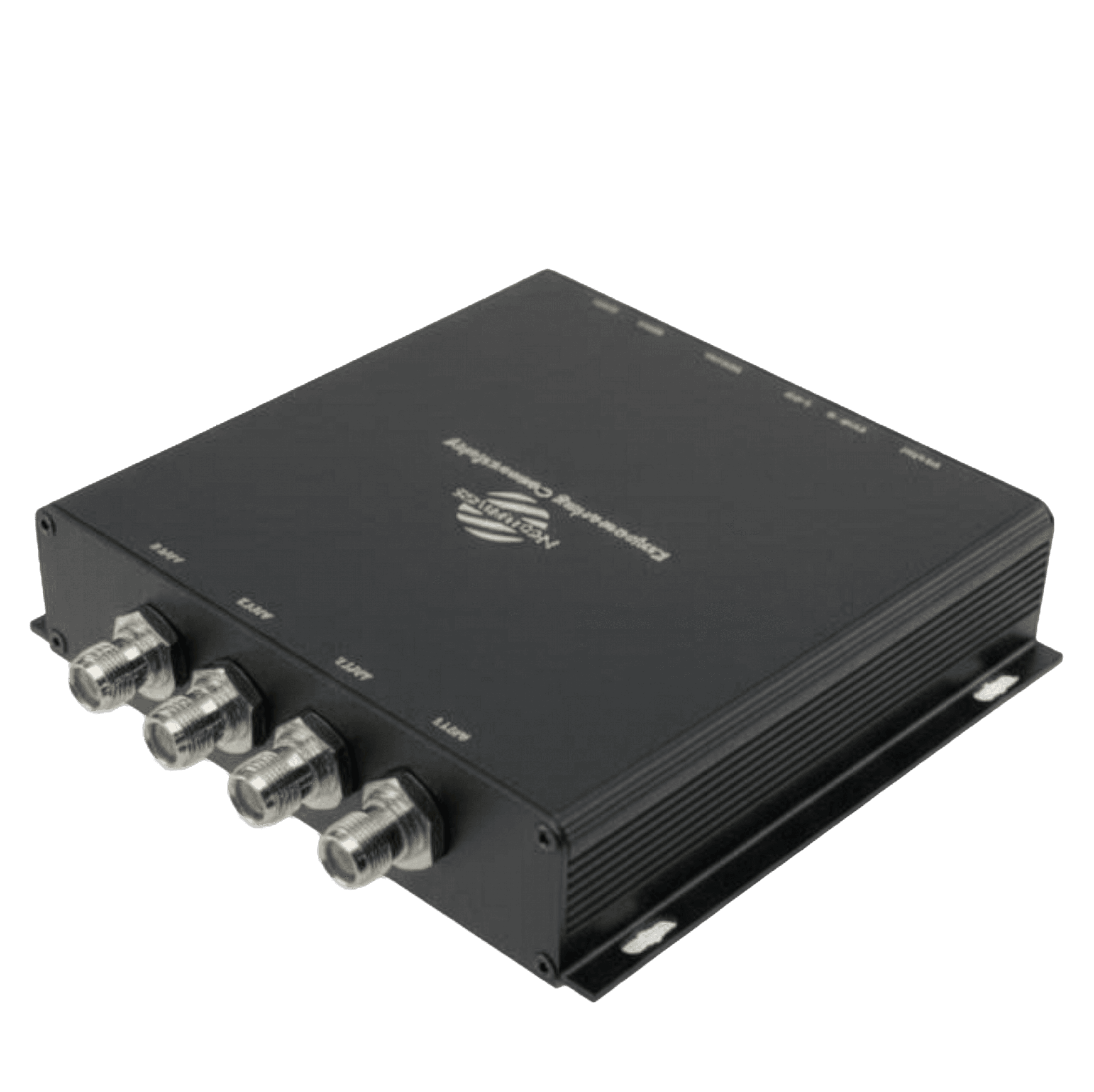
The MC3330xR is an integrated Android RFID terminal by Zebra operating on 902-928 MHz (US) / 865-868 MHz (EU). Compare its $2000 price point and specs.
Manylebau Technegol
Trosolwg Caledwedd
Mae'r Zebra MC3330xR yn ddyfais RFID gradd diwydiannol. Mae'n gweithredu o fewn yr ystod 902-928 MHz (US) / 865-868 MHz (EU) ac yn cefnogi'r safon EPC Gen2 V2, ISO-18000-63, gan ei gwneud yn cael ei ddefnyddio'n eang ar draws cymwysiadau logisteg menter.
Gyda sgôr IP o IP54, mae'n cynnig amddiffyniad yn erbyn amodau amgylcheddol penodol sy'n nodweddiadol mewn warysau neu ystafelloedd cefn manwerthu. Mae'r darllenydd yn defnyddio Li-Ion 3.6V 7000mAh ar gyfer perfformiad parhaus, tra bod ei gyfradd ddarllen uchaf a nodir yn cyrraedd ~900 tags/sec.
Cysylltedd ac Integreiddio Rhwydwaith
Mewn defnyddiau modern, integreiddio rhwydwaith yw'r rhwystr mwyaf. Mae'r model hwn yn cynnig Wi-Fi, BT 5.0 opsiynau ar gyfer trosglwyddo data yn ôl i systemau canolog.
Fodd bynnag, prif rwystr gyda hen galedwedd Zebra yw'r dibyniaeth fawr ar SDKs perchnogol (fel LLRP) neu feddalwedd canol IoT trydydd parti drud i brosesu data tagiau amrwd i mewn i wybodaeth busnes ystyrlon.
Y Dewis Arall Nextwaves
Os yw eich tîm peirianneg yn gwerthuso'r Zebra MC3330xR, mae'r Nextwaves NR155 yn cyflwyno pensaernïaeth cwmwl-frodorol sy'n llawer gwell. Mae systemau etifeddiaeth yn gynhenid yn gyrru gwariant cyfalaf uchel trwy gloi gwerthwr ac ecosystemau meddalwedd perchnogol.
Mae Nextwaves yn dileu'r rhwystr hwn yn llwyr trwy ddarparu API REST MQTT safonol yn uniongyrchol ar y ddyfais. Gall eich datblygwyr meddalwedd integreiddio darllen tagiau yn uniongyrchol i'ch ERP neu WMS cefn arferol mewn dyddiau yn hytrach na misoedd, gan osgoi ffioedd trwyddedu meddalwedd canolraddol sy'n digwydd.
Cwestiynau Cyffredin
Beth yw'r MC3330xR?
The Zebra MC3330xR is a mobile handheld Android RFID terminal. It supports the EPC Gen2 V2, ISO-18000-63 standard over the 902-928 MHz (US) / 865-868 MHz (EU) bands, enabling roaming inventory sweeps and ad-hoc audits across standard retail floors.
Faint mae'r setup hwn yn ei gostio i ddechrau?
Units are typically priced around $2000. Depending on your shift requirements, you must also budget for charging cradles, spare Li-Ion 3.6V 7000mAh batteries, and enterprise Mobile Device Management (MDM) software.
Pam ddylwn i ddewis Nextwaves yn lle?
Nextwaves provides embedded cloud integration directly on the device. By supporting open REST protocols natively, mobile operators can push tag data straight into backend databases without writing custom Android bridging apps.
A yw'r caledwedd yn ddigon gwydn ar gyfer warysau?
The durable chassis weighs 680 g (with handstrap) and measures 164 x 75 x 211 mm. With an IP54 rating, it is built to survive warehouse drops, dust, and varying environmental conditions across the facility.
A yw'n cefnogi sawl math o rwydwaith?
Network access relies on its integrated Wi-Fi, BT 5.0 radios. Enterprise WPA2/WPA3 security profiles can be configured via Android to protect internal payload data during wireless transmission.
A all fy nhîm osod hyn yn fewnol?
Hardware deployment requires staging the Android OS. Software engineering teams must properly provision the internal DataWedge profiles and specify correct EPC memory bank read masks for your data collection workflow.
Sut mae'r rheolaeth o bell yn gweithio?
The mobile interrogator supports sweeping speeds up to ~900 tags/sec. Centralized device tracking, battery health monitoring, and firmware deployments are generally managed via third-party solutions like SOTI MobiControl.
A oes angen meddalwedd perchnogol arnaf i'w redeg?
Legacy deployments require custom Android Java/Kotlin applications using the Zebra EMDK to capture reads from the RF antennas before transacting them via HTTP to your cloud CRM.
Pa warant sy'n dod gyda'r darllenydd?
The unit includes a standard one-year warranty covering manufacturer defects. Accidental damage protection (Zebra OneCare) is available and highly recommended for portable scanning hardware.
A yw'r antenâu'n cael eu gwerthu ar wahân?
The device features an integrated circular polarized antenna tuned for the 902-928 MHz (US) / 865-868 MHz (EU) bands. The operator's physical sweep speed and height directly impact total read reliability.