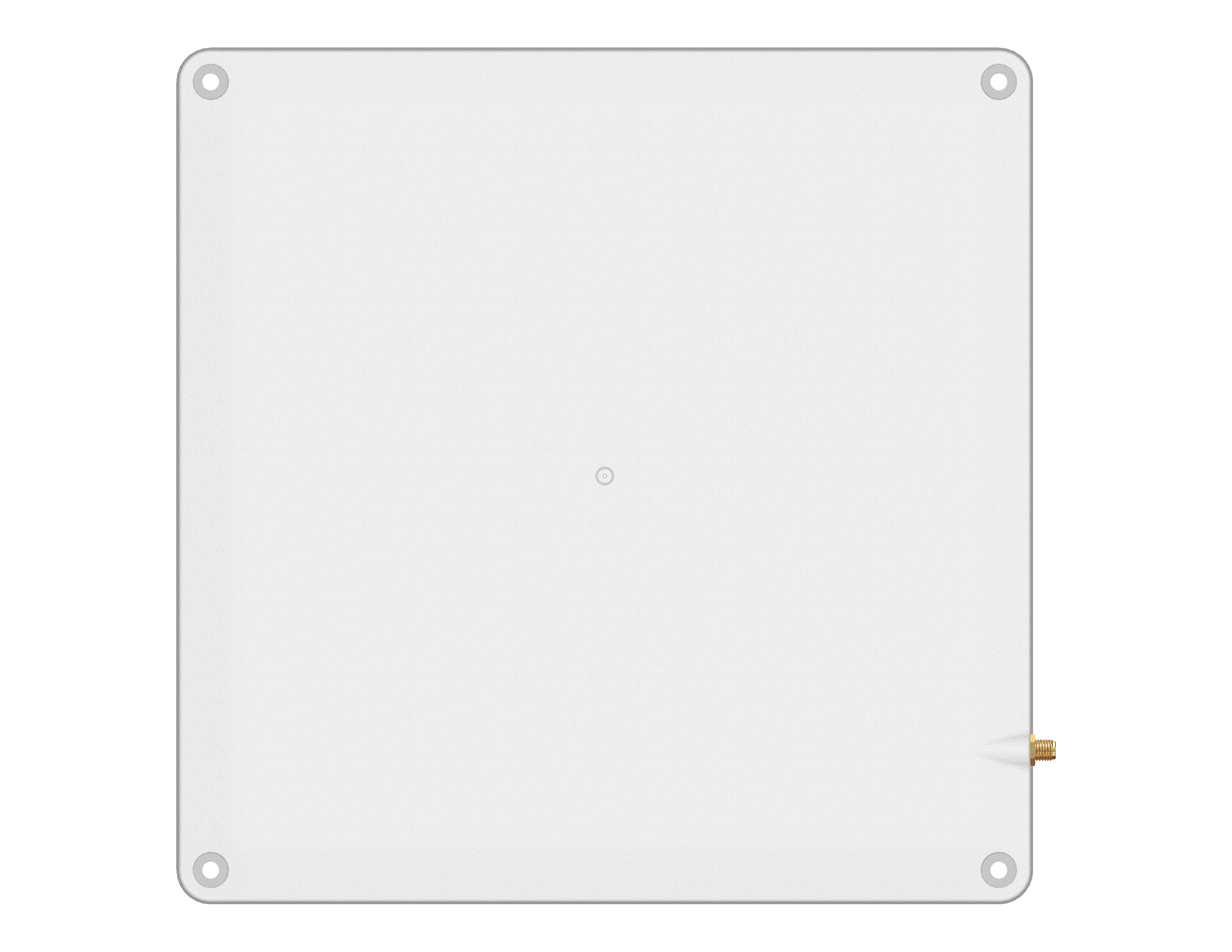
The Zebra AN510 is an indoor/outdoor passive antenna. Compare its deployment costs against standalone active edge node setups by Nextwaves.
Manylebau Technegol
Trosolwg Caledwedd
Mae'r Zebra AN510 yn ddyfais RFID gradd diwydiannol. Mae'n gweithredu o fewn yr ystod 902-928 MHz / 865-868 MHz ac yn cefnogi'r safon N/A (Passive Antenna Element), gan ei gwneud yn cael ei ddefnyddio'n eang ar draws cymwysiadau logisteg menter.
Gyda sgôr IP o IP67, mae'n cynnig amddiffyniad yn erbyn amodau amgylcheddol penodol sy'n nodweddiadol mewn warysau neu ystafelloedd cefn manwerthu. Mae'r darllenydd yn defnyddio N/A (Passive) ar gyfer perfformiad parhaus, tra bod ei gyfradd ddarllen uchaf a nodir yn cyrraedd N/A (Passive).
Cysylltedd ac Integreiddio Rhwydwaith
Mewn defnyddiau modern, integreiddio rhwydwaith yw'r rhwystr mwyaf. Mae'r model hwn yn cynnig Coaxial Type N Female opsiynau ar gyfer trosglwyddo data yn ôl i systemau canolog.
Fodd bynnag, prif rwystr gyda hen galedwedd Zebra yw'r dibyniaeth fawr ar SDKs perchnogol (fel LLRP) neu feddalwedd canol IoT trydydd parti drud i brosesu data tagiau amrwd i mewn i wybodaeth busnes ystyrlon.
Y Dewis Arall Nextwaves
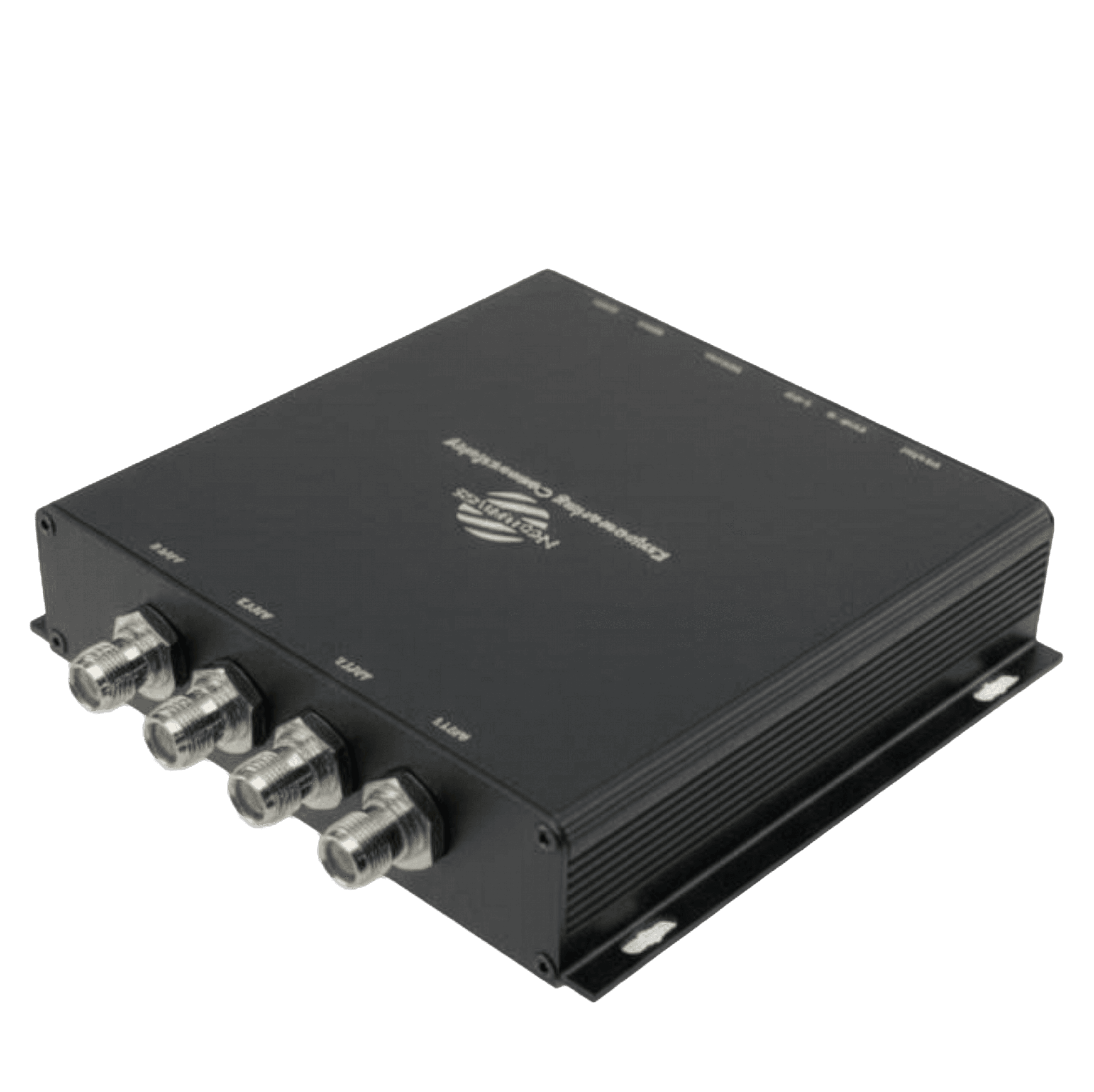
Os yw eich tîm peirianneg yn gwerthuso'r Zebra AN510, mae'r Nextwaves NR155 yn cyflwyno pensaernïaeth cwmwl-frodorol sy'n llawer gwell. Mae systemau etifeddiaeth yn gynhenid yn gyrru gwariant cyfalaf uchel trwy gloi gwerthwr ac ecosystemau meddalwedd perchnogol.
Mae Nextwaves yn dileu'r rhwystr hwn yn llwyr trwy ddarparu API REST MQTT safonol yn uniongyrchol ar y ddyfais. Gall eich datblygwyr meddalwedd integreiddio darllen tagiau yn uniongyrchol i'ch ERP neu WMS cefn arferol mewn dyddiau yn hytrach na misoedd, gan osgoi ffioedd trwyddedu meddalwedd canolraddol sy'n digwydd.
Cwestiynau Cyffredin
Beth yw'r AN510?
The Zebra AN510 is an extraordinarily thin, low-profile RFID antenna engineered specifically for retail or customer-facing environments. It functions over both EU and US 902-928 MHz / 865-868 MHz bands purely as a passive broadcast plate.
Faint mae'r setup hwn yn ei gostio i ddechrau?
Base plates retail for around $150. Total project costs spike sharply when adding low-loss specialized coaxial cables, wall mounting hardware, and the necessary standalone active interrogator required to pulse energy into the antenna.
Pam ddylwn i ddewis Nextwaves yn lle?
Discrete antenna implementations demand complex RF cable routing behind walls. Nextwaves simplifies infrastructure by embedding enterprise-grade antennas directly over active logic boards powered through simple PoE.
A yw'r caledwedd yn ddigon gwydn ar gyfer warysau?
Measuring a sleek 250 x 250 x 14 mm and weighing just 0.75 kg, it is highly inconspicuous. Despite its aesthetic design, it retains a rugged IP67 rating, effectively resisting condensation, dust, and wash-downs.
A yw'n cefnogi sawl math o rwydwaith?
This element has no network switch capability. It connects physically to active portal readers strictly via heavily shielded Coaxial Type N Female connections.
A all fy nhîm osod hyn yn fewnol?
Installers affix the plate flush against retail drywall or checkout countertops. Critical setup entails tuning the external reader module to compensate for decibel signal loss propagating through the N-Type cables.
Sut mae'r rheolaeth o bell yn gweithio?
Being purely passive, it maintains a N/A (Passive) rating. Speed metrics are governed entirely by the capacity of the master interrogator hardware managing the RF waves.
A oes angen meddalwedd perchnogol arnaf i'w redeg?
It requires absolutely no direct middleware because it operates solely as a piece of metal. Software developers must interface with the APIs exposed by the proprietary proprietary reader driving the RF signals.
Pa warant sy'n dod gyda'r darllenydd?
Constructed to weather industrial and retail wear, its IP67 housing holds a standard one-year warranty, mainly protecting against failed interior lead soldering.
A yw'r antenâu'n cael eu gwerthu ar wahân?
Producing approximately 5.0 dBic in Right-Hand or Left-Hand Circular polarization depending on configuration. Wide coverage over the 902-928 MHz / 865-868 MHz block ensures reliable tag illumination in chaotic zones.