RFID replacement dossierUpdated: May 25, 2026

Zebra AN480Adolygiad: Manylebion a Dewisiadau Amgen

The Zebra AN480 is an industrial passive antenna element costing $200. Contrast its coaxial installation needs against Nextwaves integrated network panels.

Peirianneg NextwavesAdolygiad Caledwedd5 munud o ddarllen

Technical verdict

Zebra AN480 is a mainstream hardware purchase, but it is not always the best architecture for direct RFID data integration.

Do not evaluate AN480 by list price alone. Its strongest fit is a project that already uses Type N Female, has time for RF tuning, and accepts extra middleware work. If the engineering team needs open APIs, realtime data, and faster edge-to-cloud deployment, Nextwaves NR155 is the stronger replacement path to evaluate.

Initial cost

$200 before deployment accessories

Published throughput

Not specified

Integration surface

Type N Female

Physical data

259 x 259 x 33 mm; 1.13 kg; IP: IP54

Published specs

Specifications to validate before replacing

Amledd

Global (865-956 MHz)

Protocol

N/A (Passive Antenna Element)

Cysylltedd

Type N Female

Gradd IP

IP54

Dimensiynau

259 x 259 x 33 mm

Pwysau

1.13 kg

Cyflenwad Pŵer

N/A (Passive)

Cyfradd Darllen

N/A (Passive)

Pris Amcangyfrifedig

$200

Deployment review

Operational strengths and risks

This summary is based on public specifications and does not replace an on-site RF survey.

Fit score

3.5/5

Strengths

  • Type N Female gives network teams a familiar integration surface instead of local-only collection.
  • N/A (Passive) can reduce separate power drops when switch PoE budget is available.
  • The $200 hardware baseline is easier to budget than premium fixed-reader configurations.
  • Throughput should be measured with real tags and antennas.

Validate

  • Quoted hardware price is not installed system cost; include antennas, cables, mounts, power, software, and configuration work.
  • RF performance depends on tag material, antenna position, transmit power, reader orientation, and site interference.
  • IP54 must be checked against dust, humidity, temperature, and cleaning requirements.
  • Raw RFID reads still need duplicate filtering, business-event mapping, and ERP/WMS integration before operations can use them.

Deployment review

Buying decision matrix

Best fit

Fixed UHF RFID projects that already use Type N Female and have time for RF tuning.

Weak fit

Do not compare device price only; total cost depends on accessories, software, and integration.

Deployment risk

IP54, N/A (Passive), 259 x 259 x 33 mm, and 1.13 kg must match the site layout.

Software risk

Plan for middleware, SDK work, duplicate filtering, and business-event mapping.

Alternative architecture

Zebra AN480 vs Nextwaves

01

Trosolwg Caledwedd

Mae Zebra AN480 yn ddyfais RFID o lefel ddiwydiannol. Mae'n gweithredu o fewn yr ystod Global (865-956 MHz) ac mae'n cefnogi safon N/A (Passive Antenna Element), sy'n ei wneud yn eang ei ddefnydd mewn cymwysiadau logisteg menter.

Gyda gradd IP o IP54, mae'n cynnig amddiffyniad rhag amodau amgylcheddol penodol typigol mewn warêddau neu ystafelloedd cefn manwerthu. Mae'r darllenydd yn defnyddio N/A (Passive) ar gyfer perfformiad parhaus, tra bod ei gyfradd darllen uchaf a nodir yn cyrraedd N/A (Passive).

02

Cysylltedd ac Integreiddio Rhwydwaith

Mewn defnyddiadau modern, integreiddio rhwydwaith yw'r her fwyaf arwyddocaol. Mae'r model hwn yn cynnig opsiynau Type N Female ar gyfer trosglwyddo data yn ôl i systemau canolog.

Fodd bynnag, mae'r bottleneck mawr gyda chaledwedd Zebra etifedol yn ddibyniaeth drymach ar SDKs perchnogol (fel LLRP) neu middleware IoT trydydd parti drud i brosesu data tag crai yn wybodaeth busnes ystyrlon.

03

When to choose Nextwaves instead of another closed reader

Os yw'ch tîm peirianneg yn gwerthuso Zebra AN480, mae Nextwaves NR155 yn cynnig pensaernïaeth cloud-native sydd â llawer mwy o urddas. Mae systemau etifedol yn anochel yn gyrru gwariant cyfalaf uchel trwy vendor lock-in ac ecosystemau meddalwedd perchnogol.

Mae Nextwaves yn dileu'r rhwystr hwnnw'n llwyr trwy ddarparu API MQTT REST safonol yn uniongyrchol ar y ddyfais. Gall eich datblygwyr meddalwedd integreiddio darllen tag yn uniongyrchol i'ch cefn ERP neu WMS arferol mewn dyddiau yn hytrach nag mewn misoedd, gan hepgor'n llwyr ffioedd trwyddedu middleware sy'n ailadrodd.

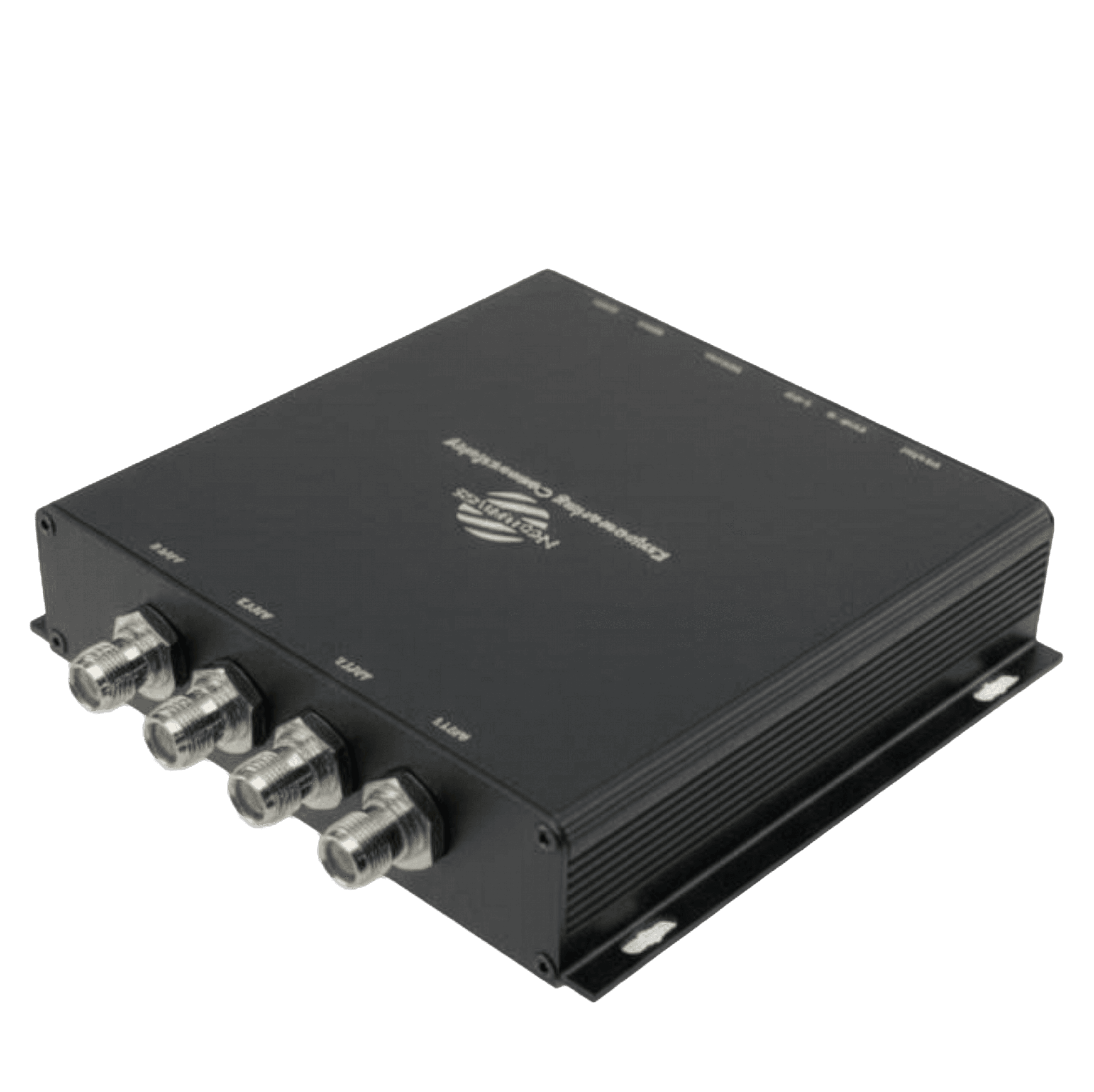
Alternative architecture

Darllenydd RFID UHF IoT Sefydlog NR155

APIs MQTT/REST cloud-native wedi'u hadeiladu. Dim SDKs perchnogol, dim ffioedd trwyddedu middleware. Integreiddio'n uniongyrchol gyda'ch ERP neu WMS mewn dyddiau.

View Nextwaves NR155
Nextwaves NR155 Fixed IoT UHF RFID Reader

Porthladdoedd Anten

4 x Porthladdoedd RP-TNC

Cyflymder Darllen

Hyd at 400 tag/second

Pŵer Allbwn

0–33 dBm (cynnydd 1dB)

Protocol Rhwydwaith

MQTT / MQTTS

FAQ

Cwestiynau a Ofynnir yn Aml

These answers help purchasing and engineering teams review cost, integration, and deployment risk.

01

Beth yw AN480?

The Zebra AN480 is a passive indoor/outdoor RFID antenna panel. Operating seamlessly across both EU and US Global (865-956 MHz) bands within a single footprint, it functions strictly to bounce UHF energy pushed from a standalone interrogator unit.

02

Faint mae'r gosodiad hwn yn ei gostio i ddechrau?

Hardware modules start at $200. This price omits the fundamental components required for operation such as an active reader, massive low-loss RF cabling, heavy-duty swivel brackets, and enterprise integration licenses.

03

Pam dylwn i ddewis Nextwaves yn lle hynny?

Constructing portal systems using separate passive plates forces operators to balance coaxial cable lengths exactly. Nextwaves integrates high-power antennas directly onto an active reader board communicating over standard CAT6 PoE lines.

04

A yw'r caledwedd yn ddigon cryf ar gyfer warêddau?

Tipping the scales at 1.13 kg with a 259 x 259 x 33 mm square footprint, it boasts an IP54 enclosure rating. While robust against general manufacturing grit, it remains vulnerable to high-pressure wash-downs.

05

A yw'n cefnogi mathau lluosog o rwydweithiau?

This is a primitive RF instrument and contains zero logic ports. Its sole connection is a heavily shielded Type N Female socket requiring thick LMR-240 or LMR-400 coaxial cabling trailing back to central readers.

06

A all fy nhîm osod hyn yn fewnol?

Operations teams routinely mount this slab to factory ceiling trusses. Critical calibration hinges heavily upon aligning the antenna array pitch angles accurately and measuring RF attenuation bleeding across the thick coaxial wires.

07

Sut mae'r rheolaeth bell yn gweithio?

Functioning as a static metal element, it is entirely ignorant of software or firmware logic. Throughput relies 100% on the backend intelligence of the attached interrogator module.

08

Oes angen meddalwedd perchnogol arnaf i'w redeg?

You cannot route network signals into this device. Developers and network engineers instead interface entirely with the external proprietary reader hardware hooked to the Type N Female port.

09

Pa warant sy'n dod gyda'r darllenydd?

Due to its simplistic nature, standard manufacturing defect protection covers it for a single year. Passive components typically perform reliably for decades barring extreme weather, vandalism, or severed coaxial leads.

10

A yw'r antennau'n cael eu gwerthu ar wahân?

Providing roughly 6.0 dBi Circularly polarized gain across a wide Global (865-956 MHz) sweeping bandwidth, it perfectly accommodates global deployments requiring a standardized installation footprint across varying RF locales.