RFID replacement dossierUpdated: May 25, 2026

Times-7 A5020CPAdolygiad: Manylebion a Dewisiadau Amgen

The Times-7 A5020CP is an ultra-rugged $180 passive antenna. Learn how bridging passive antennas via coax impacts system deployment costs.

Peirianneg NextwavesAdolygiad Caledwedd5 munud o ddarllen

Technical verdict

Times-7 A5020CP is a mainstream hardware purchase, but it is not always the best architecture for direct RFID data integration.

Do not evaluate A5020CP by list price alone. Its strongest fit is a project that already uses SMA Female, has time for RF tuning, and accepts extra middleware work. If the engineering team needs open APIs, realtime data, and faster edge-to-cloud deployment, Nextwaves NR155 is the stronger replacement path to evaluate.

Initial cost

$180 before deployment accessories

Published throughput

Not specified

Integration surface

SMA Female

Physical data

150 x 150 x 14 mm; 0.25 kg; IP: IP68 / IP69K

Published specs

Specifications to validate before replacing

Amledd

864-869 MHz / 902-928 MHz

Protocol

N/A (Passive Antenna Element)

Cysylltedd

SMA Female

Gradd IP

IP68 / IP69K

Dimensiynau

150 x 150 x 14 mm

Pwysau

0.25 kg

Cyflenwad Pŵer

N/A (Passive)

Cyfradd Darllen

N/A (Passive)

Pris Amcangyfrifedig

$180

Deployment review

Operational strengths and risks

This summary is based on public specifications and does not replace an on-site RF survey.

Fit score

3.5/5

Strengths

  • SMA Female gives network teams a familiar integration surface instead of local-only collection.
  • N/A (Passive) can reduce separate power drops when switch PoE budget is available.
  • The $180 hardware baseline is easier to budget than premium fixed-reader configurations.
  • Throughput should be measured with real tags and antennas.

Validate

  • Quoted hardware price is not installed system cost; include antennas, cables, mounts, power, software, and configuration work.
  • RF performance depends on tag material, antenna position, transmit power, reader orientation, and site interference.
  • IP68 / IP69K must be checked against dust, humidity, temperature, and cleaning requirements.
  • Raw RFID reads still need duplicate filtering, business-event mapping, and ERP/WMS integration before operations can use them.

Deployment review

Buying decision matrix

Best fit

Fixed UHF RFID projects that already use SMA Female and have time for RF tuning.

Weak fit

Do not compare device price only; total cost depends on accessories, software, and integration.

Deployment risk

IP68 / IP69K, N/A (Passive), 150 x 150 x 14 mm, and 0.25 kg must match the site layout.

Software risk

Plan for middleware, SDK work, duplicate filtering, and business-event mapping.

Alternative architecture

Times-7 A5020CP vs Nextwaves

01

Trosolwg Caledwedd

Mae Times-7 A5020CP yn ddyfais RFID o lefel ddiwydiannol. Mae'n gweithredu o fewn yr ystod 864-869 MHz / 902-928 MHz ac mae'n cefnogi safon N/A (Passive Antenna Element), sy'n ei wneud yn eang ei ddefnydd mewn cymwysiadau logisteg menter.

Gyda gradd IP o IP68 / IP69K, mae'n cynnig amddiffyniad rhag amodau amgylcheddol penodol typigol mewn warêddau neu ystafelloedd cefn manwerthu. Mae'r darllenydd yn defnyddio N/A (Passive) ar gyfer perfformiad parhaus, tra bod ei gyfradd darllen uchaf a nodir yn cyrraedd N/A (Passive).

02

Cysylltedd ac Integreiddio Rhwydwaith

Mewn defnyddiadau modern, integreiddio rhwydwaith yw'r her fwyaf arwyddocaol. Mae'r model hwn yn cynnig opsiynau SMA Female ar gyfer trosglwyddo data yn ôl i systemau canolog.

Fodd bynnag, mae'r bottleneck mawr gyda chaledwedd Times-7 etifedol yn ddibyniaeth drymach ar SDKs perchnogol (fel LLRP) neu middleware IoT trydydd parti drud i brosesu data tag crai yn wybodaeth busnes ystyrlon.

03

When to choose Nextwaves instead of another closed reader

Os yw'ch tîm peirianneg yn gwerthuso Times-7 A5020CP, mae Nextwaves NR155 yn cynnig pensaernïaeth cloud-native sydd â llawer mwy o urddas. Mae systemau etifedol yn anochel yn gyrru gwariant cyfalaf uchel trwy vendor lock-in ac ecosystemau meddalwedd perchnogol.

Mae Nextwaves yn dileu'r rhwystr hwnnw'n llwyr trwy ddarparu API MQTT REST safonol yn uniongyrchol ar y ddyfais. Gall eich datblygwyr meddalwedd integreiddio darllen tag yn uniongyrchol i'ch cefn ERP neu WMS arferol mewn dyddiau yn hytrach nag mewn misoedd, gan hepgor'n llwyr ffioedd trwyddedu middleware sy'n ailadrodd.

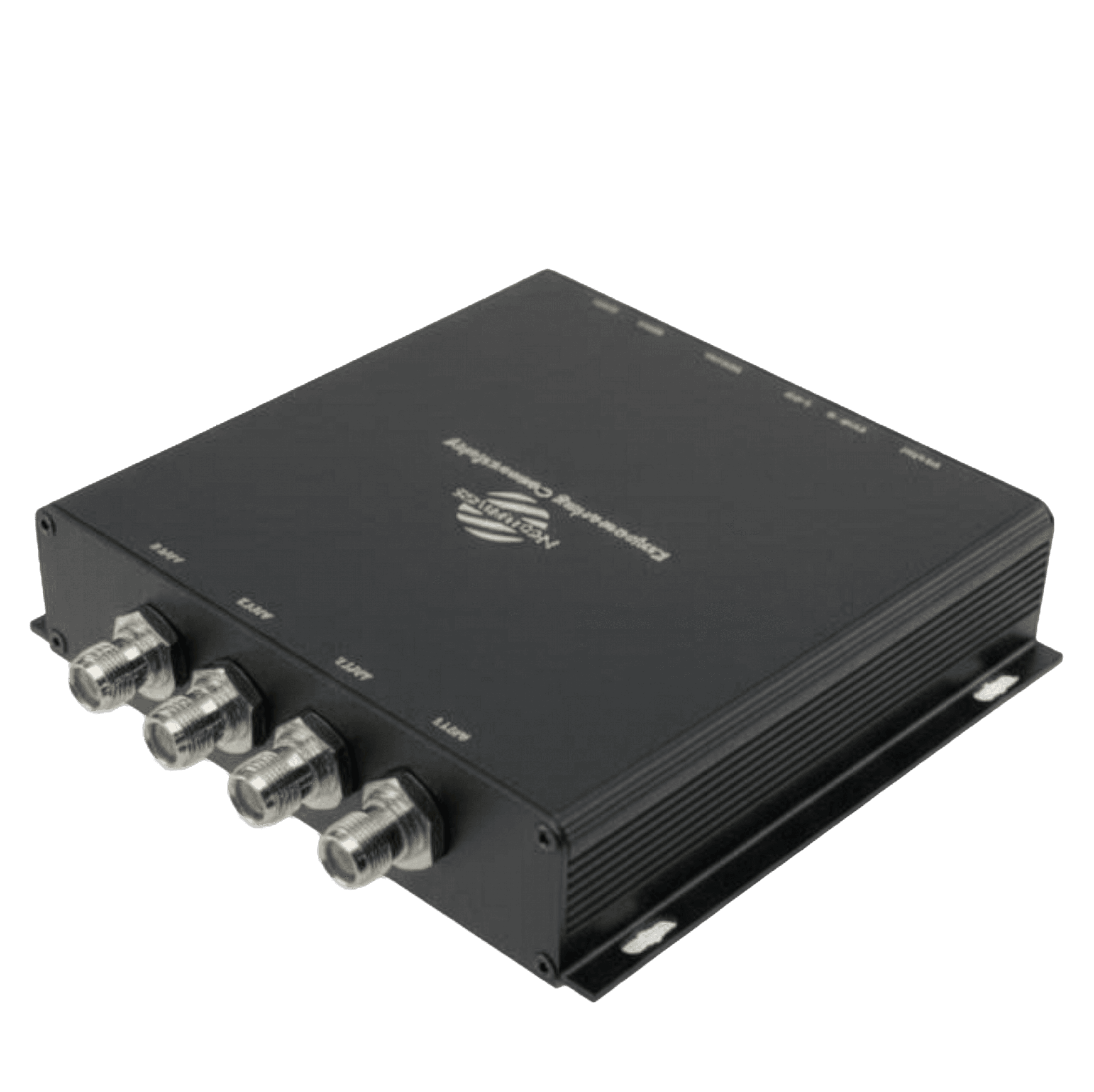
Alternative architecture

Darllenydd RFID UHF IoT Sefydlog NR155

APIs MQTT/REST cloud-native wedi'u hadeiladu. Dim SDKs perchnogol, dim ffioedd trwyddedu middleware. Integreiddio'n uniongyrchol gyda'ch ERP neu WMS mewn dyddiau.

View Nextwaves NR155
Nextwaves NR155 Fixed IoT UHF RFID Reader

Porthladdoedd Anten

4 x Porthladdoedd RP-TNC

Cyflymder Darllen

Hyd at 400 tag/second

Pŵer Allbwn

0–33 dBm (cynnydd 1dB)

Protocol Rhwydwaith

MQTT / MQTTS

FAQ

Cwestiynau a Ofynnir yn Aml

These answers help purchasing and engineering teams review cost, integration, and deployment risk.

01

Beth yw A5020CP?

The Times-7 A5020CP is an ultra-durable, highly localized passive RF antenna. Broadcasting over 864-869 MHz / 902-928 MHz blocks, it provides deep concentrated penetration for localized asset tracking like medical cabinets or toll booths.

02

Faint mae'r gosodiad hwn yn ei gostio i ddechrau?

Individual plates price near $180. Scaling your site requires allocating budget for multi-port readers, thick RF coaxial cables, and extensive manual tuning hours.

03

Pam dylwn i ddewis Nextwaves yn lle hynny?

Managing coaxial cables across factory ceilings introduces catastrophic single points of failure. Nextwaves embeds the reader and antenna inside a single IP68 chassis running exclusively on simple Category 6 Ethernet lines.

04

A yw'r caledwedd yn ddigon cryf ar gyfer warêddau?

Boasting an incredible IP68 / IP69K rating, its 150 x 150 x 14 mm and 0.25 kg shell survives continuous high-pressure, high-temperature wash-downs typical in medical or food-processing facilities.

05

A yw'n cefnogi mathau lluosog o rwydweithiau?

It completely lacks native IP networking. Operational continuity hinges upon securely connecting the SMA Female head to an active external reader matrix.

06

A all fy nhîm osod hyn yn fewnol?

Physical integration is achieved via flush mounting or VESA brackets. The greatest hurdle involves properly connecting and weather-sealing external RF coax cables to prevent moisture degradation over the copper lines.

07

Sut mae'r rheolaeth bell yn gweithio?

Operating as a passive resonant plate, the unit has a N/A (Passive) metric. The interrogation density relates entirely to the horsepower of the host reader logic.

08

Oes angen meddalwedd perchnogol arnaf i'w redeg?

Software pipelines bypass the plate completely. Developers capture tag events by programming the host MCU or Linux server wired to the antenna bank over standard HTTP protocols.

09

Pa warant sy'n dod gyda'r darllenydd?

Times-7 hardware is protected by standard manufacturing defect warranties. The IP69K rated seals ensure the internal resonant patch survives extraordinarily hostile chemical environments.

10

A yw'r antennau'n cael eu gwerthu ar wahân?

Despite its small size, it projects a focused 5.5 dBic circularly polarized field across the 864-869 MHz / 902-928 MHz bandwidths. It is ideal for highly targeted, dense RF illumination zones.