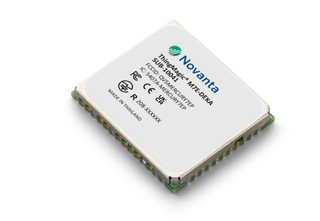
The ThingMagic M7e-Deka is a miniature $120 UHF module based on the Impinj E310 core. Understand the engineering costs for deep hardware embedding.
Manylebau Technegol
Trosolwg Caledwedd
Mae'r ThingMagic (JADAK) M7e-Deka yn ddyfais RFID gradd diwydiannol. Mae'n gweithredu o fewn yr ystod Global (860-960 MHz) ac yn cefnogi'r safon EPC Gen2v2, ISO 18000-63, gan ei gwneud yn cael ei ddefnyddio'n eang ar draws cymwysiadau logisteg menter.
Gyda sgôr IP o Bare PCB (None), mae'n cynnig amddiffyniad yn erbyn amodau amgylcheddol penodol sy'n nodweddiadol mewn warysau neu ystafelloedd cefn manwerthu. Mae'r darllenydd yn defnyddio 3.3V to 5.25V DC ar gyfer perfformiad parhaus, tra bod ei gyfradd ddarllen uchaf a nodir yn cyrraedd up to ~300 tags/sec.
Cysylltedd ac Integreiddio Rhwydwaith
Mewn defnyddiau modern, integreiddio rhwydwaith yw'r rhwystr mwyaf. Mae'r model hwn yn cynnig UART Serial / USB opsiynau ar gyfer trosglwyddo data yn ôl i systemau canolog.
Fodd bynnag, prif rwystr gyda hen galedwedd ThingMagic (JADAK) yw'r dibyniaeth fawr ar SDKs perchnogol (fel LLRP) neu feddalwedd canol IoT trydydd parti drud i brosesu data tagiau amrwd i mewn i wybodaeth busnes ystyrlon.
Y Dewis Arall Nextwaves
Os yw eich tîm peirianneg yn gwerthuso'r ThingMagic (JADAK) M7e-Deka, mae'r Nextwaves NR155 yn cyflwyno pensaernïaeth cwmwl-frodorol sy'n llawer gwell. Mae systemau etifeddiaeth yn gynhenid yn gyrru gwariant cyfalaf uchel trwy gloi gwerthwr ac ecosystemau meddalwedd perchnogol.
Mae Nextwaves yn dileu'r rhwystr hwn yn llwyr trwy ddarparu API REST MQTT safonol yn uniongyrchol ar y ddyfais. Gall eich datblygwyr meddalwedd integreiddio darllen tagiau yn uniongyrchol i'ch ERP neu WMS cefn arferol mewn dyddiau yn hytrach na misoedd, gan osgoi ffioedd trwyddedu meddalwedd canolraddol sy'n digwydd.
Cwestiynau Cyffredin
Beth yw'r M7e-Deka?
The ThingMagic (JADAK) M7e-Deka is an embedded UHF RFID transceiver board engineered around the Impinj E310 IC. Capable of EPC Gen2v2, ISO 18000-63 decoding over the Global (860-960 MHz) block, it is used primarily in point-of-sale peripherals.
Faint mae'r setup hwn yn ei gostio i ddechrau?
Raw modules cost approximately $120 per unit. Like all SMD components, the true cost scales drastically when budgeting for carrier boards, antenna arrays, power management logic, and the central microprocessor.
Pam ddylwn i ddewis Nextwaves yn lle?
Embedding raw RF modules requires extensive C++ firmware expertise. Nextwaves supplies ready-to-mount smart nodes that already possess the physical casing, power management, and HTTP bridging logic, saving months of engineering.
A yw'r caledwedd yn ddigon gwydn ar gyfer warysau?
Because it is a bare circuit board measuring 46 x 26 x 4 mm and weighing just 3 g, the module carries a Bare PCB (None) rating. Operators must design a rigid enclosure to shield it from factory or retail dust.
A yw'n cefnogi sawl math o rwydwaith?
Data pipes strictly through UART Serial / USB boundary logic pins. Bridging this data into enterprise networks requires the parent device to provide secondary Ethernet or Wi-Fi processors.
A all fy nhîm osod hyn yn fewnol?
Final integration necessitates attaching the module onto a larger custom PCB. Software commands must be structured using the ThingMagic Mercury SDK executed securely by the master generic microprocessor.
Sut mae'r rheolaeth o bell yn gweithio?
Optimized for mid-range scanning, the core IC scales processing to up to ~300 tags/sec. It serves primarily as a friction-less gateway rather than a massive area scanner.
A oes angen meddalwedd perchnogol arnaf i'w redeg?
Transferring scanned strings to cloud infrastructure relies fully on your custom host firmware. To bypass legacy Bluetooth or Serial limitations, developers must code logic that pipes local serial streams into active REST connections.
Pa warant sy'n dod gyda'r darllenydd?
The hardware holds a standard 12-month defect warranty, but component lifecycle spans are deeply tied to the thermal efficiency and static shielding of the OEM's proprietary carrier board design.
A yw'r antenâu'n cael eu gwerthu ar wahân?
A single MMCX connection handles external antenna routing across the Global (860-960 MHz) bands. Peak transmit gain extends up to +27 dBm, which demands dedicated thermal throttling logic.