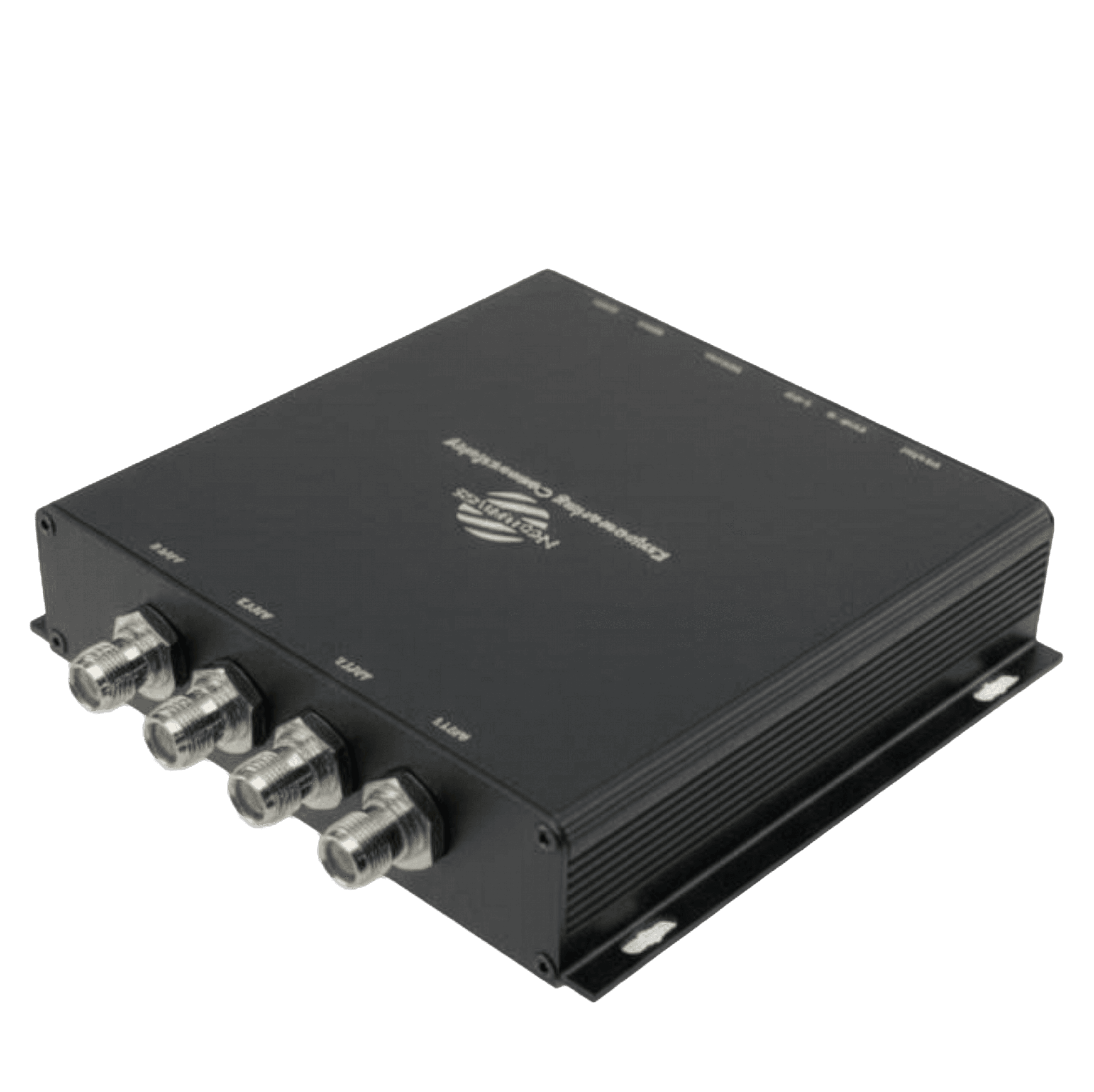
The Nordic ID Stix is an ultra-portable $300 USB dongle scanner. Compare its limited range and strict OS requirements to Nextwaves autonomic endpoints.
Manylebau Technegol
Trosolwg Caledwedd
Mae'r Nordic ID Stix yn ddyfais RFID gradd diwydiannol. Mae'n gweithredu o fewn yr ystod 865-868 MHz (EU) / 902-928 MHz (US) ac yn cefnogi'r safon EPC Class 1 Gen 2, gan ei gwneud yn cael ei ddefnyddio'n eang ar draws cymwysiadau logisteg menter.
Gyda sgôr IP o indoor rating, mae'n cynnig amddiffyniad yn erbyn amodau amgylcheddol penodol sy'n nodweddiadol mewn warysau neu ystafelloedd cefn manwerthu. Mae'r darllenydd yn defnyddio USB Bus Power ar gyfer perfformiad parhaus, tra bod ei gyfradd ddarllen uchaf a nodir yn cyrraedd low speed short range.
Cysylltedd ac Integreiddio Rhwydwaith
Mewn defnyddiau modern, integreiddio rhwydwaith yw'r rhwystr mwyaf. Mae'r model hwn yn cynnig USB 2.0 Dongle opsiynau ar gyfer trosglwyddo data yn ôl i systemau canolog.
Fodd bynnag, prif rwystr gyda hen galedwedd Nordic ID yw'r dibyniaeth fawr ar SDKs perchnogol (fel LLRP) neu feddalwedd canol IoT trydydd parti drud i brosesu data tagiau amrwd i mewn i wybodaeth busnes ystyrlon.
Y Dewis Arall Nextwaves
Os yw eich tîm peirianneg yn gwerthuso'r Nordic ID Stix, mae'r Nextwaves NR155 yn cyflwyno pensaernïaeth cwmwl-frodorol sy'n llawer gwell. Mae systemau etifeddiaeth yn gynhenid yn gyrru gwariant cyfalaf uchel trwy gloi gwerthwr ac ecosystemau meddalwedd perchnogol.
Mae Nextwaves yn dileu'r rhwystr hwn yn llwyr trwy ddarparu API REST MQTT safonol yn uniongyrchol ar y ddyfais. Gall eich datblygwyr meddalwedd integreiddio darllen tagiau yn uniongyrchol i'ch ERP neu WMS cefn arferol mewn dyddiau yn hytrach na misoedd, gan osgoi ffioedd trwyddedu meddalwedd canolraddol sy'n digwydd.
Cwestiynau Cyffredin
Beth yw'r Stix?
The Nordic ID Stix is arguably the smallest UHF RFID reader available. Fitting the form factor of a USB thumb-drive, it translates EPC Class 1 Gen 2 data across the 865-868 MHz (EU) / 902-928 MHz (US) bands for simple PC-based encoding tasks.
Faint mae'r setup hwn yn ei gostio i ddechrau?
Priced around $300, it represents the absolute baseline in RFID hardware. Because it siphons USB Bus Power, it requires zero external integration hardware other than a supported laptop or tablet running host daemon logic.
Pam ddylwn i ddewis Nextwaves yn lle?
Nextwaves hardware endpoints operate entirely autonomously. Unlike the Stix, which requires a live localized PC to execute code, Nextwaves processors bridge logic autonomously over secure HTTP without host dependence.
A yw'r caledwedd yn ddigon gwydn ar gyfer warysau?
The minuscule plastic stick weighs just 22 g with dimensions checking in at a tiny 53 x 79 x 7 mm. Functioning under an indoor rating footprint, it is inherently vulnerable to physical snapping, liquids, and extreme temperatures.
A yw'n cefnogi sawl math o rwydwaith?
Its sole data path is the physical USB 2.0 Dongle slot. There is no integrated Wi-Fi or Bluetooth; it relies completely on the security software of the laptop it is plugged into for enterprise routing safety.
A all fy nhîm osod hyn yn fewnol?
Integration demands running Nordic ID SDK drivers on the host computer. Unlike keyboard emulation wedges, developers must write listener scripts locally to pull data strings from the USB wrapper.
Sut mae'r rheolaeth o bell yn gweithio?
Operating at extremely low wattage, it registers low speed short range captures. The device requires physical firmware patching through Nordic's configuration utilities and cannot receive silent OTA upgrades.
A oes angen meddalwedd perchnogol arnaf i'w redeg?
A complete system hinges on developers architecting proprietary bridging software to intercept reads from the USB 2.0 Dongle serial path and formatting them rapidly into REST calls directed at your cloud network.
Pa warant sy'n dod gyda'r darllenydd?
The basic USB hardware carries a standard one-year warranty. The form factor is inherently fragile, making physical destruction equally likely as standard semiconductor defects during regular handling.
A yw'r antenâu'n cael eu gwerthu ar wahân?
A microscopic antenna is layered across the PCB, tuned to 865-868 MHz (EU) / 902-928 MHz (US) variations. Total read range is intentionally crippled to roughly 1 meter maximum, preventing crosstalk interference.