RFID replacement dossierUpdated: May 25, 2026

Laird S8658PL/PRAdolygiad: Manylebion a Dewisiadau Amgen

The Laird S8658PL/PR is an ETSI targeted passive array for $150. Analyze the complex deployment costs against standalone active arrays.

Nextwaves EngineeringAdolygiad Caledwedd5 munud o ddarllen

Technical verdict

Laird S8658PL/PR is a mainstream hardware purchase, but it is not always the best architecture for direct RFID data integration.

Do not evaluate S8658PL/PR by list price alone. Its strongest fit is a project that already uses Coaxial Type N / SMA, has time for RF tuning, and accepts extra middleware work. If the engineering team needs open APIs, realtime data, and faster edge-to-cloud deployment, Nextwaves NR155 is the stronger replacement path to evaluate.

Initial cost

$150 before deployment accessories

Published throughput

Not specified

Integration surface

Coaxial Type N / SMA

Physical data

260 x 260 x 33 mm; 1.04 kg; IP: IP54

Published specs

Specifications to validate before replacing

Amledd

865-868 MHz (ETSI)

Protocol

N/A (Passive Antenna Element)

Cysylltedd

Coaxial Type N / SMA

Gradd IP

IP54

Dimensiynau

260 x 260 x 33 mm

Pwysau

1.04 kg

Cyflenwad Pŵer

N/A (Passive)

Cyfradd Darllen

N/A (Passive)

Pris Amcangyfrifedig

$150

Deployment review

Operational strengths and risks

This summary is based on public specifications and does not replace an on-site RF survey.

Fit score

3.5/5

Strengths

  • Coaxial Type N / SMA gives network teams a familiar integration surface instead of local-only collection.
  • N/A (Passive) can reduce separate power drops when switch PoE budget is available.
  • The $150 hardware baseline is easier to budget than premium fixed-reader configurations.
  • Throughput should be measured with real tags and antennas.

Validate

  • Quoted hardware price is not installed system cost; include antennas, cables, mounts, power, software, and configuration work.
  • RF performance depends on tag material, antenna position, transmit power, reader orientation, and site interference.
  • IP54 must be checked against dust, humidity, temperature, and cleaning requirements.
  • Raw RFID reads still need duplicate filtering, business-event mapping, and ERP/WMS integration before operations can use them.

Deployment review

Buying decision matrix

Best fit

Fixed UHF RFID projects that already use Coaxial Type N / SMA and have time for RF tuning.

Weak fit

Do not compare device price only; total cost depends on accessories, software, and integration.

Deployment risk

IP54, N/A (Passive), 260 x 260 x 33 mm, and 1.04 kg must match the site layout.

Software risk

Plan for middleware, SDK work, duplicate filtering, and business-event mapping.

Alternative architecture

Laird S8658PL/PR vs Nextwaves

01

Trosolwg Caledwedd

Mae Laird S8658PL/PR yn ddyfais RFID o lefel ddiwydiannol. Mae'n gweithredu o fewn yr ystod 865-868 MHz (ETSI) ac mae'n cefnogi safon N/A (Passive Antenna Element), sy'n ei wneud yn eang ei ddefnydd mewn cymwysiadau logisteg menter.

Gyda gradd IP o IP54, mae'n cynnig amddiffyniad rhag amodau amgylcheddol penodol typigol mewn warêddau neu ystafelloedd cefn manwerthu. Mae'r darllenydd yn defnyddio N/A (Passive) ar gyfer perfformiad parhaus, tra bod ei gyfradd darllen uchaf a nodir yn cyrraedd N/A (Passive).

02

Cysylltedd ac Integreiddio Rhwydwaith

Mewn defnyddiadau modern, integreiddio rhwydwaith yw'r her fwyaf arwyddocaol. Mae'r model hwn yn cynnig opsiynau Coaxial Type N / SMA ar gyfer trosglwyddo data yn ôl i systemau canolog.

Fodd bynnag, mae'r bottleneck mawr gyda chaledwedd Laird etifedol yn ddibyniaeth drymach ar SDKs perchnogol (fel LLRP) neu middleware IoT trydydd parti drud i brosesu data tag crai yn wybodaeth busnes ystyrlon.

03

When to choose Nextwaves instead of another closed reader

Os yw'ch tîm peirianneg yn gwerthuso Laird S8658PL/PR, mae Nextwaves NR155 yn cynnig pensaernïaeth cloud-native sydd â llawer mwy o urddas. Mae systemau etifedol yn anochel yn gyrru gwariant cyfalaf uchel trwy vendor lock-in ac ecosystemau meddalwedd perchnogol.

Mae Nextwaves yn dileu'r rhwystr hwnnw'n llwyr trwy ddarparu API MQTT REST safonol yn uniongyrchol ar y ddyfais. Gall eich datblygwyr meddalwedd integreiddio darllen tag yn uniongyrchol i'ch cefn ERP neu WMS arferol mewn dyddiau yn hytrach nag mewn misoedd, gan hepgor'n llwyr ffioedd trwyddedu middleware sy'n ailadrodd.

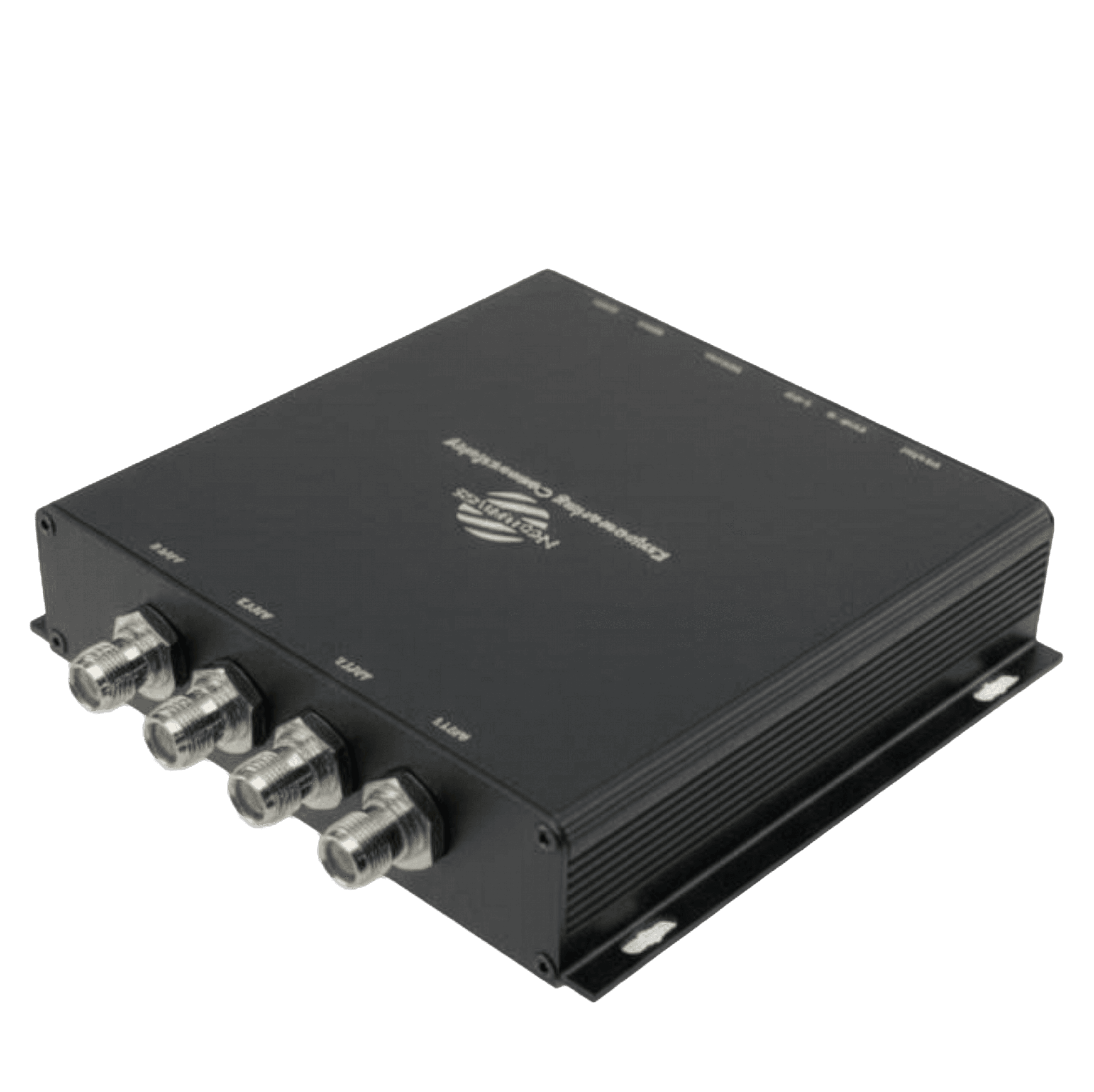
Alternative architecture

Darllenydd RFID UHF IoT Sefydlog NR155

APIs MQTT/REST cloud-native wedi'u hadeiladu. Dim SDKs perchnogol, dim ffioedd trwyddedu middleware. Integreiddio'n uniongyrchol gyda'ch ERP neu WMS mewn dyddiau.

View Nextwaves NR155
Nextwaves NR155 Fixed IoT UHF RFID Reader

Porthladdoedd Anten

4 x Porthladdoedd RP-TNC

Cyflymder Darllen

Hyd at 400 tag/second

Pŵer Allbwn

0–33 dBm (cynnydd 1dB)

Protocol Rhwydwaith

MQTT / MQTTS

FAQ

Cwestiynau a Ofynnir yn Aml

These answers help purchasing and engineering teams review cost, integration, and deployment risk.

01

Beth yw S8658PL/PR?

The Laird S8658PL (Left-Hand) and PR (Right-Hand) operate as dedicated EU passive antenna fields. Confined locally to 865-868 MHz (ETSI) bands, they broadcast focused electromagnetic waves initiated by external centralized readers.

02

Faint mae'r gosodiad hwn yn ei gostio i ddechrau?

Panels carry roughly a $150 price tag. This does not factor for high-end active processing blocks, coaxial lengths routing behind drywalls, or custom software routing required on the parent MCU.

03

Pam dylwn i ddewis Nextwaves yn lle hynny?

Traditional RFID involves bolting passive antennas to ceilings and dragging coax cables back to central IT closets. Nextwaves simply places a standalone active array directly onto the ceiling, hooked securely to straightforward PoE systems.

04

A yw'r caledwedd yn ddigon cryf ar gyfer warêddau?

Protected by standard IP54 seals, the 260 x 260 x 33 mm casing weighs 1.04 kg. It defends against factory dust perfectly, but risks catastrophic internal failure during localized high-pressure wash-down environments.

05

A yw'n cefnogi mathau lluosog o rwydweithiau?

It completely lacks native Ethernet, Wi-Fi, or Bluetooth stacks. Transmitting voltage impulses occurs physically through Coaxial Type N / SMA connections tied intimately back to the active reader.

06

A all fy nhîm osod hyn yn fewnol?

Mounting requires securely anchoring heavy-duty articulating joints. Successful logic implementation requires measuring VSWR tolerances to tune the active reader compensating for coaxial decibel attenuation.

07

Sut mae'r rheolaeth bell yn gweithio?

Governed by N/A (Passive) dynamics, the speed of tag collection correlates precisely to the processing rate of the interrogator board powering the matrix.

08

Oes angen meddalwedd perchnogol arnaf i'w redeg?

Middleware stacks are fully divorced from this hardware. Engineers execute tag reading logic and REST webhooks exclusively on the Linux systems baked into the core reader managing the voltage logic.

09

Pa warant sy'n dod gyda'r darllenydd?

Protected by fundamental 1-year product fault protections. The static internal patch framework functions virtually indefinitely absent violent warehouse pallet crashes.

10

A yw'r antennau'n cael eu gwerthu ar wahân?

Delivering exactly 8.5 dBic localized gain, mixing Left and Right Circularly Polarized patterns over the 865-868 MHz (ETSI) block nullifies aggressive 'deep fade' interference inside cluttered warehouses.