RFID replacement dossierUpdated: May 25, 2026

Chainway UR4Adolygiad: Manylebion a Dewisiadau Amgen

Chainway UR4 is an industrial 4-port reader operating on 865-868 MHz / 920-925 MHz / 902-928 MHz. Starting at $600. Look closely at how Nextwaves can bypass middleware costs.

Peirianneg NextwavesAdolygiad Caledwedd5 munud o ddarllen

Technical verdict

Chainway UR4 is a mainstream hardware purchase, but it is not always the best architecture for direct RFID data integration.

Do not evaluate UR4 by list price alone. Its strongest fit is a project that already uses RS-232, RJ45, PoE (optional), has time for RF tuning, and accepts extra middleware work. If the engineering team needs open APIs, realtime data, and faster edge-to-cloud deployment, Nextwaves NR155 is the stronger replacement path to evaluate.

Initial cost

$600 before deployment accessories

Published throughput

1,300 tags/second

Integration surface

RS-232, RJ45, PoE (optional)

Physical data

164 x 164 x 39 mm; 0.7 kg; IP: IP53

Published specs

Specifications to validate before replacing

Amledd

865-868 MHz / 920-925 MHz / 902-928 MHz

Protocol

EPC Global UHF C1 Gen 2, ISO 18000-6C

Cysylltedd

RS-232, RJ45, PoE (optional)

Gradd IP

IP53

Dimensiynau

164 x 164 x 39 mm

Pwysau

0.7 kg

Cyflenwad Pŵer

PoE (optional), DC

Cyfradd Darllen

1,300+

Pris Amcangyfrifedig

$600

Deployment review

Operational strengths and risks

This summary is based on public specifications and does not replace an on-site RF survey.

Fit score

4.2/5

Strengths

  • RS-232, RJ45, PoE (optional) gives network teams a familiar integration surface instead of local-only collection.
  • PoE (optional), DC can reduce separate power drops when switch PoE budget is available.
  • The $600 hardware baseline is easier to budget than premium fixed-reader configurations.
  • 1,300 tags/second can fit faster inventory lanes when the read zone is tuned correctly.

Validate

  • Quoted hardware price is not installed system cost; include antennas, cables, mounts, power, software, and configuration work.
  • RF performance depends on tag material, antenna position, transmit power, reader orientation, and site interference.
  • IP53 must be checked against dust, humidity, temperature, and cleaning requirements.
  • Raw RFID reads still need duplicate filtering, business-event mapping, and ERP/WMS integration before operations can use them.

Deployment review

Buying decision matrix

Best fit

Fixed UHF RFID projects that already use RS-232, RJ45, PoE (optional) and have time for RF tuning.

Weak fit

Do not compare device price only; total cost depends on accessories, software, and integration.

Deployment risk

IP53, PoE (optional), DC, 164 x 164 x 39 mm, and 0.7 kg must match the site layout.

Software risk

Plan for middleware, SDK work, duplicate filtering, and business-event mapping.

Alternative architecture

Chainway UR4 vs Nextwaves

01

Trosolwg Caledwedd

Mae Chainway UR4 yn ddyfais RFID o lefel ddiwydiannol. Mae'n gweithredu o fewn yr ystod 865-868 MHz / 920-925 MHz / 902-928 MHz ac mae'n cefnogi safon EPC Global UHF C1 Gen 2, ISO 18000-6C, sy'n ei wneud yn eang ei ddefnydd mewn cymwysiadau logisteg menter.

Gyda gradd IP o IP53, mae'n cynnig amddiffyniad rhag amodau amgylcheddol penodol typigol mewn warêddau neu ystafelloedd cefn manwerthu. Mae'r darllenydd yn defnyddio PoE (optional), DC ar gyfer perfformiad parhaus, tra bod ei gyfradd darllen uchaf a nodir yn cyrraedd 1,300+.

02

Cysylltedd ac Integreiddio Rhwydwaith

Mewn defnyddiadau modern, integreiddio rhwydwaith yw'r her fwyaf arwyddocaol. Mae'r model hwn yn cynnig opsiynau RS-232, RJ45, PoE (optional) ar gyfer trosglwyddo data yn ôl i systemau canolog.

Fodd bynnag, mae'r bottleneck mawr gyda chaledwedd Chainway etifedol yn ddibyniaeth drymach ar SDKs perchnogol (fel LLRP) neu middleware IoT trydydd parti drud i brosesu data tag crai yn wybodaeth busnes ystyrlon.

03

When to choose Nextwaves instead of another closed reader

Os yw'ch tîm peirianneg yn gwerthuso Chainway UR4, mae Nextwaves NR155 yn cynnig pensaernïaeth cloud-native sydd â llawer mwy o urddas. Mae systemau etifedol yn anochel yn gyrru gwariant cyfalaf uchel trwy vendor lock-in ac ecosystemau meddalwedd perchnogol.

Mae Nextwaves yn dileu'r rhwystr hwnnw'n llwyr trwy ddarparu API MQTT REST safonol yn uniongyrchol ar y ddyfais. Gall eich datblygwyr meddalwedd integreiddio darllen tag yn uniongyrchol i'ch cefn ERP neu WMS arferol mewn dyddiau yn hytrach nag mewn misoedd, gan hepgor'n llwyr ffioedd trwyddedu middleware sy'n ailadrodd.

Alternative architecture

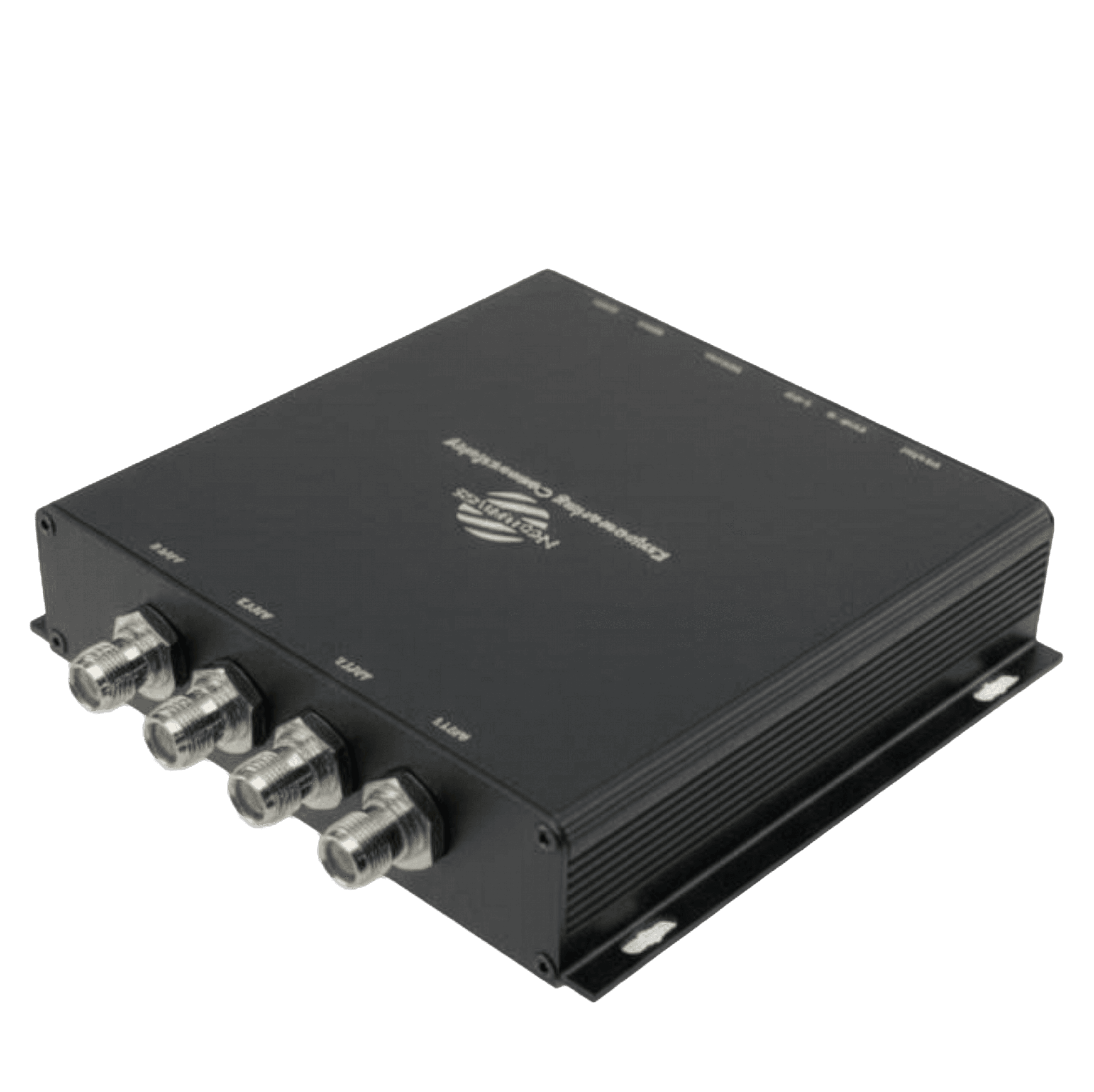
Darllenydd RFID UHF IoT Sefydlog NR155

APIs MQTT/REST cloud-native wedi'u hadeiladu. Dim SDKs perchnogol, dim ffioedd trwyddedu middleware. Integreiddio'n uniongyrchol gyda'ch ERP neu WMS mewn dyddiau.

View Nextwaves NR155
Nextwaves NR155 Fixed IoT UHF RFID Reader

Porthladdoedd Anten

4 x Porthladdoedd RP-TNC

Cyflymder Darllen

Hyd at 400 tag/second

Pŵer Allbwn

0–33 dBm (cynnydd 1dB)

Protocol Rhwydwaith

MQTT / MQTTS

FAQ

Cwestiynau a Ofynnir yn Aml

These answers help purchasing and engineering teams review cost, integration, and deployment risk.

01

Beth yw UR4?

The Chainway UR4 is a 4-port, fixed RFID edge device. Based on Impinj E710 / R2000 chips, it supports EPC Global UHF C1 Gen 2, ISO 18000-6C over the 865-868 MHz / 920-925 MHz / 902-928 MHz frequency bands for high-speed tracking.

02

Faint mae'r gosodiad hwn yn ei gostio i ddechrau?

Hardware costs begin around $600. Keep in mind that a full deployment budget must account for up to 4 antennas, low-loss cables, integration middleware, and setting up the PoE (optional), DC infrastructure.

03

Pam dylwn i ddewis Nextwaves yn lle hynny?

Nextwaves provides embedded REST API and MQTT endpoints natively on the device. This allows web and software developers to map tag reads directly to REST payloads, bypassing complex legacy C# or Java middleware servers.

04

A yw'r caledwedd yn ddigon cryf ar gyfer warêddau?

The unit weighs approximately 0.7 kg and measures 164 x 164 x 39 mm. An IP53 structural rating provides reasonable protection against dust and water spray, suitable for loading docks and covered warehouses.

05

A yw'n cefnogi mathau lluosog o rwydweithiau?

Network integration relies on RS-232, RJ45, PoE (optional) ports. RS-232 serial is maintained for legacy programmable logic controller (PLC) connections, while RJ45 manages modern IP traffic.

06

A all fy nhîm osod hyn yn fewnol?

Hardware installation uses standard mounting hole layouts. However, optimizing RF performance requires trained engineers to correctly map the 4 distinct antenna channels to prevent signal overlap and optimize tag orientation capture.

07

Sut mae'r rheolaeth bell yn gweithio?

Under optimal test conditions, the internally integrated chip logic is rated to process up to 1,300+ tag reads per second. Real-world speeds vary significantly based on Gen2 memory mapping.

08

Oes angen meddalwedd perchnogol arnaf i'w redeg?

In a traditional setup, the RS-232, RJ45, PoE (optional) interfaces transmit binary or low-level hex data. This requires an external application to filter out duplicate tag events before sending the data to cloud storage.

09

Pa warant sy'n dod gyda'r darllenydd?

The standard warranty covers physical malfunctions for one year. Extended engineering support is recommended for teams unfamiliar with low-level UHF Gen2 memory protocols.

10

A yw'r antennau'n cael eu gwerthu ar wahân?

You are required to supply external antennas (circular or linear). Selecting the exact gain and polarization over the 865-868 MHz / 920-925 MHz / 902-928 MHz band determines the actual width of your read portal.