The ALR-9900+ is a legacy high-performance tracking device operating on 902-928 MHz. Compare its $1000 MSRP against modern, developer-friendly Nextwaves readers.
Manylebau Technegol
Trosolwg Caledwedd
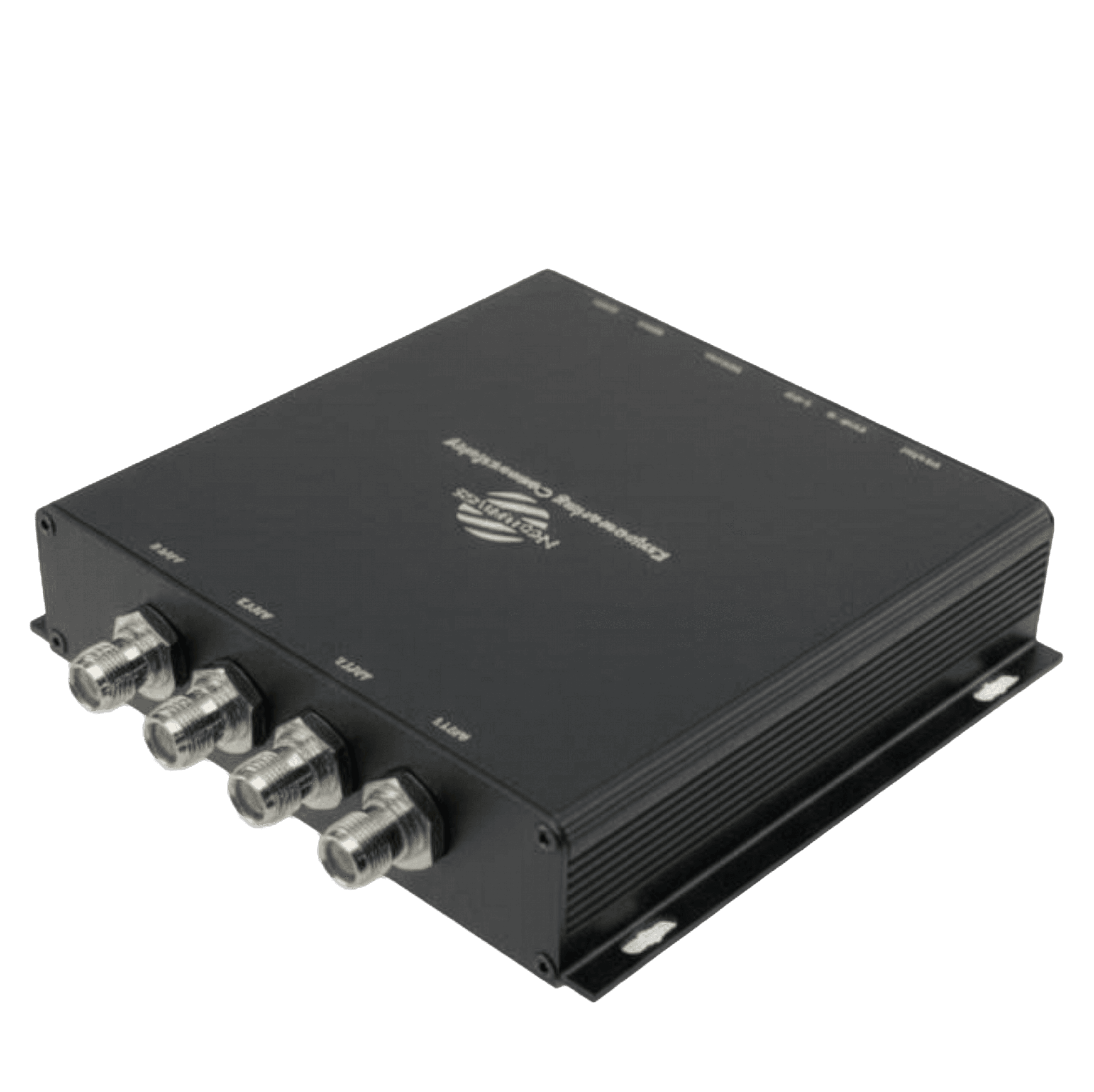
Mae'r Alien Technology ALR-9900+ yn ddyfais RFID gradd diwydiannol. Mae'n gweithredu o fewn yr ystod 902-928 MHz ac yn cefnogi'r safon EPC Gen 2, ISO 18000-6C, gan ei gwneud yn cael ei ddefnyddio'n eang ar draws cymwysiadau logisteg menter.
Gyda sgôr IP o N/A, mae'n cynnig amddiffyniad yn erbyn amodau amgylcheddol penodol sy'n nodweddiadol mewn warysau neu ystafelloedd cefn manwerthu. Mae'r darllenydd yn defnyddio AC-DC 100-240 VAC ar gyfer perfformiad parhaus, tra bod ei gyfradd ddarllen uchaf a nodir yn cyrraedd N/A.
Cysylltedd ac Integreiddio Rhwydwaith
Mewn defnyddiau modern, integreiddio rhwydwaith yw'r rhwystr mwyaf. Mae'r model hwn yn cynnig LAN TCP/IP, RS-232 opsiynau ar gyfer trosglwyddo data yn ôl i systemau canolog.
Fodd bynnag, prif rwystr gyda hen galedwedd Alien Technology yw'r dibyniaeth fawr ar SDKs perchnogol (fel LLRP) neu feddalwedd canol IoT trydydd parti drud i brosesu data tagiau amrwd i mewn i wybodaeth busnes ystyrlon.
Y Dewis Arall Nextwaves
Os yw eich tîm peirianneg yn gwerthuso'r Alien Technology ALR-9900+, mae'r Nextwaves NR155 yn cyflwyno pensaernïaeth cwmwl-frodorol sy'n llawer gwell. Mae systemau etifeddiaeth yn gynhenid yn gyrru gwariant cyfalaf uchel trwy gloi gwerthwr ac ecosystemau meddalwedd perchnogol.
Mae Nextwaves yn dileu'r rhwystr hwn yn llwyr trwy ddarparu API REST MQTT safonol yn uniongyrchol ar y ddyfais. Gall eich datblygwyr meddalwedd integreiddio darllen tagiau yn uniongyrchol i'ch ERP neu WMS cefn arferol mewn dyddiau yn hytrach na misoedd, gan osgoi ffioedd trwyddedu meddalwedd canolraddol sy'n digwydd.
Cwestiynau Cyffredin
Beth yw'r ALR-9900+?
The Alien Technology ALR-9900+ is a stationary, multi-port RFID interrogator. Operating on the 902-928 MHz band, it supports the EPC Gen 2, ISO 18000-6C standard and utilizes Alien's specialized interference rejection electronics.
Faint mae'r setup hwn yn ei gostio i ddechrau?
The reader has historically been priced around $1000. Facilities must also account for the costs of 4 high-gain antennas, coaxial loss-preventing cables, and the structural setup of its AC-DC 100-240 VAC power delivery.
Pam ddylwn i ddewis Nextwaves yn lle?
Nextwaves provides embedded REST API and MQTT endpoints natively on the hardware. Software engineering teams can bypass complex EPC global LLRP structures and integrate RFID events directly into modern cloud systems natively.
A yw'r caledwedd yn ddigon gwydn ar gyfer warysau?
The device weighs approximately 0.95 kg and measures 20.3 x 20.3 x 4.8 cm. Due to the lack of an IP washdown rating (N/A), it is best deployed inside industrial cabinets or environmentally controlled zones.
A yw'n cefnogi sawl math o rwydwaith?
Network integration physically routes through standard LAN TCP/IP, RS-232 connections. Direct serial polling is still supported for older, air-gapped logistics networks.
A all fy nhîm osod hyn yn fewnol?
Physical mounting uses heavy-duty flanged screw mounts. To achieve optimal performance, RF engineers must adjust transmission power parameters and dense reader mode settings depending on interference.
Sut mae'r rheolaeth o bell yn gweithio?
Remote management is generally conducted through the legacy Alien Reader Interface or third-party SNMP monitoring platforms.
A oes angen meddalwedd perchnogol arnaf i'w redeg?
Integrators traditionally route data from the LAN TCP/IP, RS-232 ports into desktop middleware to handle de-duplication and aggregation. This significantly adds to system maintenance resources.
Pa warant sy'n dod gyda'r darllenydd?
The manufacturer typically provides a standard one-year hardware warranty. Production deployments frequently require extended replacement SLAs to protect the investment in legacy infrastructure.
A yw'r antenâu'n cael eu gwerthu ar wahân?
External antennas are strictly mandatory. Cable length and antenna type must be carefully mathematically tuned across the 902-928 MHz frequency band to maximize power transmission without exceeding regional regulations.