
The Impinj xArray Gateway is a premium ceiling-mounted tracking system operating on 860-960 MHz, priced around $4000. It maxes out at ~1,000 tags per second.
Especificacions tècniques
Visió general del maquinari
El Impinj xArray Gateway és un dispositiu RFID de grau industrial. Funciona dins del rang de 860-960 MHz i admet l'estàndard EPCglobal UHF Gen2v2 / ISO 18000-63, cosa que fa que s'utilitzi àmpliament en aplicacions de logística empresarial.
Amb una classificació IP de N/A, ofereix protecció contra condicions ambientals específiques típiques en magatzems o rebotigues. El lector utilitza PoE, +24Vdc per a un rendiment continu, mentre que la seva velocitat màxima de lectura declarada arriba a ~1,000.
Connectivitat i integració de xarxes
En les implementacions modernes, la integració de la xarxa és l'obstacle més important. Aquest model ofereix IEEE 802.3af PoE opcions per transferir dades als sistemes centrals.
No obstant això, un coll d'ampolla important amb el maquinari Impinj heretat és la gran dependència de SDK propietaris (com LLRP) o middleware IoT de tercers cars per processar dades de etiquetes en informació empresarial significativa.
L'alternativa Nextwaves
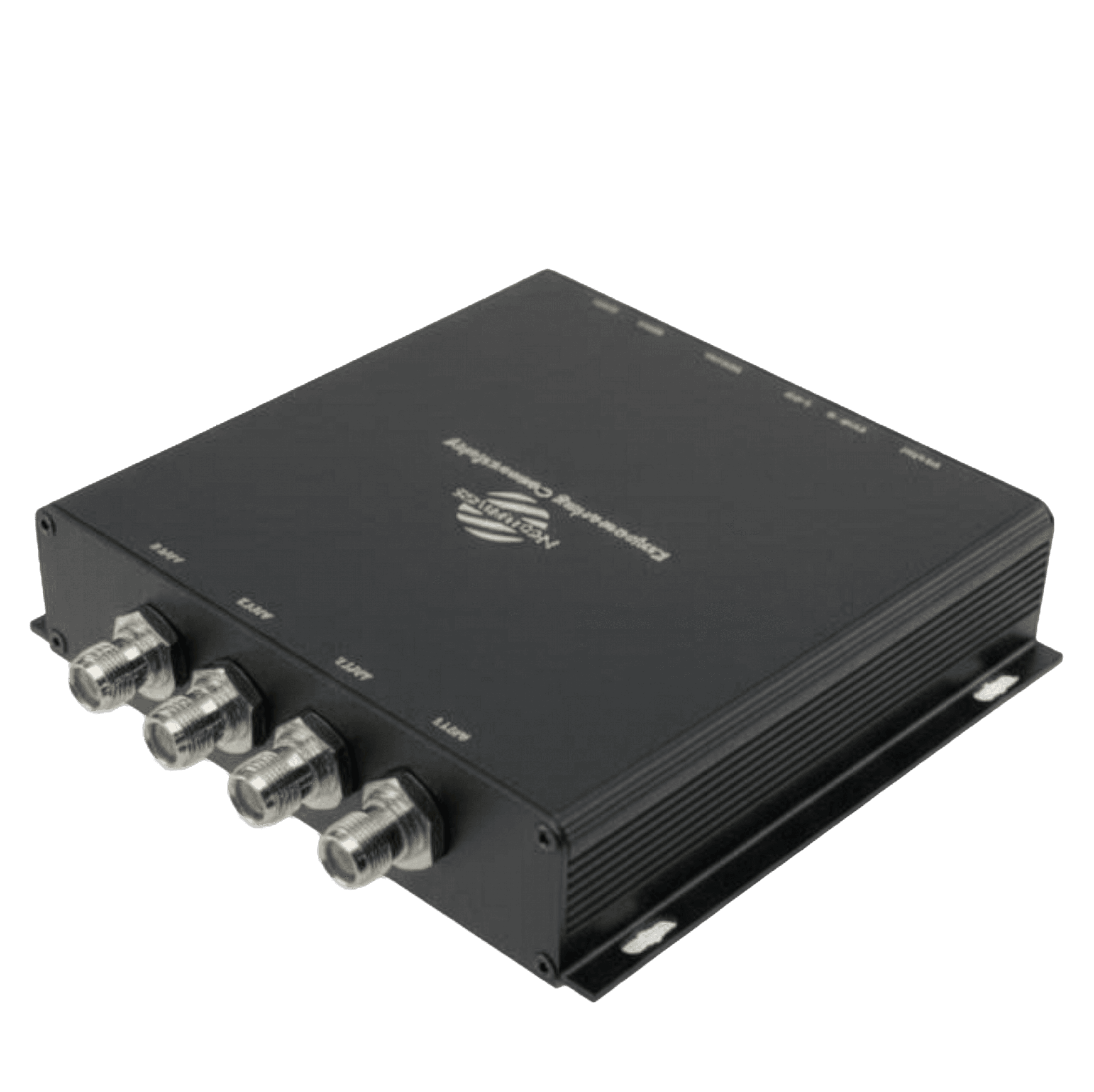
Si el vostre equip d'enginyeria està avaluant el Impinj xArray Gateway, el Nextwaves NR155 presenta una arquitectura nativa del núvol molt superior. Els sistemes heretats impulsen inherentment una despesa de capital elevada mitjançant el bloqueig del proveïdor i els ecosistemes de programari propietaris.
Nextwaves elimina completament aquesta barrera proporcionant una API REST MQTT estàndard directament al dispositiu. Els vostres desenvolupadors de programari poden integrar la lectura d'etiquetes directament al vostre backend ERP o WMS personalitzat en qüestió de dies en lloc de mesos, evitant completament les tarifes de llicència de middleware recurrents.
Preguntes Freqüents
Què és el xArray Gateway?
The Impinj xArray Gateway is an enterprise-grade wide-area tracking system designed for ceiling deployment. Operating on the 860-960 MHz band, it fully supports the EPCglobal UHF Gen2v2 / ISO 18000-63 standard for high-volume environments requiring spatial resolution.
Quant costa inicialment aquesta configuració?
The base unit is generally priced around $4000. However, total deployment costs will increase substantially depending on enterprise middleware licensing (ItemSense) and the specifics of your PoE, +24Vdc electrical infrastructure.
Per què hauria de triar Nextwaves en lloc d'un altre?
Nextwaves provides embedded REST API and MQTT endpoints natively on the device. This allows software engineering teams to bypass expensive third-party IoT middleware and integrate X/Y coordinate or zone data directly into modern ERPs or custom software backends.
És el maquinari prou durador per a magatzems?
The device weighs approximately 8.0 kg and measures 46.7 x 46.7 x 7.5 cm. Given its form factor and rating (N/A), it requires a robust drop-ceiling mount and climate-controlled indoor atmosphere.
Admet múltiples tipus de xarxa?
Network integration is handled via its IEEE 802.3af PoE interfaces. Standard enterprise security protocols can be applied over these connections, though dedicated VLANs are often recommended for IoT hardware of this scale.
Pot el meu equip instal·lar-ho internament?
Physical mounting utilizes heavy-duty VESA brackets. Optimizing RF performance requires highly trained technicians to properly tune the array's 52 antenna beam sectors to your specific room geometry.
Com funciona la gestió remota?
Under optimal conditions, the hardware is rated for ~1,000 reads per second. Remote device management and firmware updates are handled via specialized central controllers.
Necessito programari propietari per executar-lo?
Most legacy deployments require an intermediate middleware layer to feed data from the IEEE 802.3af PoE ports into spatial web applications. This adds both architectural complexity and recurring licensing costs.
Quina garantia inclou el lector?
The manufacturer typically provides a standard one-year hardware warranty. Extended enterprise support contracts and SLAs are generally required for complex array deployments.
Les antenes es venen per separat?
The xArray utilizes a built-in phased array antenna array. Tuning this configuration across the 860-960 MHz spectrum is critical to achieving its marketed ability to locate items within X/Y coordinates in a room.