RFID replacement dossierUpdated: May 25, 2026

CAEN RFID qID (R1170I Ion)Ressenya: Especificacions i Alternatives

The CAEN RFID qID is a pocket-sized Bluetooth scanner with a $500 MSRP. Review its capabilities and physical limits compared to integrated reader architectures.

Enginyeria de NextwavesRessenya de Maquinari5 min de lectura

Technical verdict

CAEN RFID qID (R1170I Ion) is a mainstream hardware purchase, but it is not always the best architecture for direct RFID data integration.

Do not evaluate qID (R1170I Ion) by list price alone. Its strongest fit is a project that already uses Bluetooth 2.1, USB, has time for RF tuning, and accepts extra middleware work. If the engineering team needs open APIs, realtime data, and faster edge-to-cloud deployment, Nextwaves NR155 is the stronger replacement path to evaluate.

Initial cost

$500 before deployment accessories

Published throughput

Not specified

Integration surface

Bluetooth 2.1, USB

Physical data

99 x 54 x 20 mm; 57 g; IP: IP54

Published specs

Specifications to validate before replacing

Freqüència

865-868 MHz (ETSI) / 902-928 MHz (FCC)

Protocol

EPC C1 G2, ISO 18000-6C

Connectivitat

Bluetooth 2.1, USB

Grau IP

IP54

Dimensions

99 x 54 x 20 mm

Pes

57 g

Font d'Alimentació

Li-Ion 3.7V 570mAh

Velocitat de Lectura

standard read rates

Preu Estimado

$500

Deployment review

Operational strengths and risks

This summary is based on public specifications and does not replace an on-site RF survey.

Fit score

3.5/5

Strengths

  • Bluetooth 2.1, USB gives network teams a familiar integration surface instead of local-only collection.
  • Li-Ion 3.7V 570mAh can reduce separate power drops when switch PoE budget is available.
  • The $500 hardware baseline is easier to budget than premium fixed-reader configurations.
  • Throughput should be measured with real tags and antennas.

Validate

  • Quoted hardware price is not installed system cost; include antennas, cables, mounts, power, software, and configuration work.
  • RF performance depends on tag material, antenna position, transmit power, reader orientation, and site interference.
  • IP54 must be checked against dust, humidity, temperature, and cleaning requirements.
  • Raw RFID reads still need duplicate filtering, business-event mapping, and ERP/WMS integration before operations can use them.

Deployment review

Buying decision matrix

Best fit

Fixed UHF RFID projects that already use Bluetooth 2.1, USB and have time for RF tuning.

Weak fit

Do not compare device price only; total cost depends on accessories, software, and integration.

Deployment risk

IP54, Li-Ion 3.7V 570mAh, 99 x 54 x 20 mm, and 57 g must match the site layout.

Software risk

Plan for middleware, SDK work, duplicate filtering, and business-event mapping.

Alternative architecture

CAEN RFID qID (R1170I Ion) vs Nextwaves

01

Visió General del Maquinari

El CAEN RFID qID (R1170I Ion) és un dispositiu RFID d grau industrial. Opera dins del rang de 865-868 MHz (ETSI) / 902-928 MHz (FCC) i suporta l'estàndard EPC C1 G2, ISO 18000-6C, fet que el fa àmpliament desplegat a través d'aplicacions de logística empresarial.

Amb un grau de protecció IP de IP54, ofereix protecció contra condicions ambientals típiques en magatzems o sales posteriors de retail. El lector utilitza Li-Ion 3.7V 570mAh per a rendiment continu, mentre que la seva velocitat de lectura màxima establerta arriba a standard read rates.

02

Connectivitat i Integració de Xarxa

En desplegaments moderns, la integració de xarxa és l'obstacle més significatiu. Aquest model ofereix opcions de Bluetooth 2.1, USB per a transferir dades de tornada a sistemes centrals.

No obstant això, un coll d'ampolla important amb el maquinari heretat de CAEN RFID és la heavy reliance on proprietary SDKs (like LLRP) or expensive third-party IoT middleware per processar dades d'etiquetes en brut en intel·ligència empresarial significativa.

03

When to choose Nextwaves instead of another closed reader

Si el vostre equip d'enginyeria està evaluant el CAEN RFID qID (R1170I Ion), el Nextwaves NR155 presenta una arquitectura cloud-native vastament superior. Els sistemes heretats inherentment impulsen alta despesa de capital a través de vendor lock-in i ecosistemes de programari propietaris.

Nextwaves elimina completament aquesta barrera proporcionant una API MQTT REST estàndard directament al dispositiu. Els vostres desenvolupadors de programari poden integrar la lectura d'etiquetes directament al vostre backend ERP o WMS personalitzat en dies en lloc de mesos, evitant completament les tarifes de llicència de middleware recurrents.

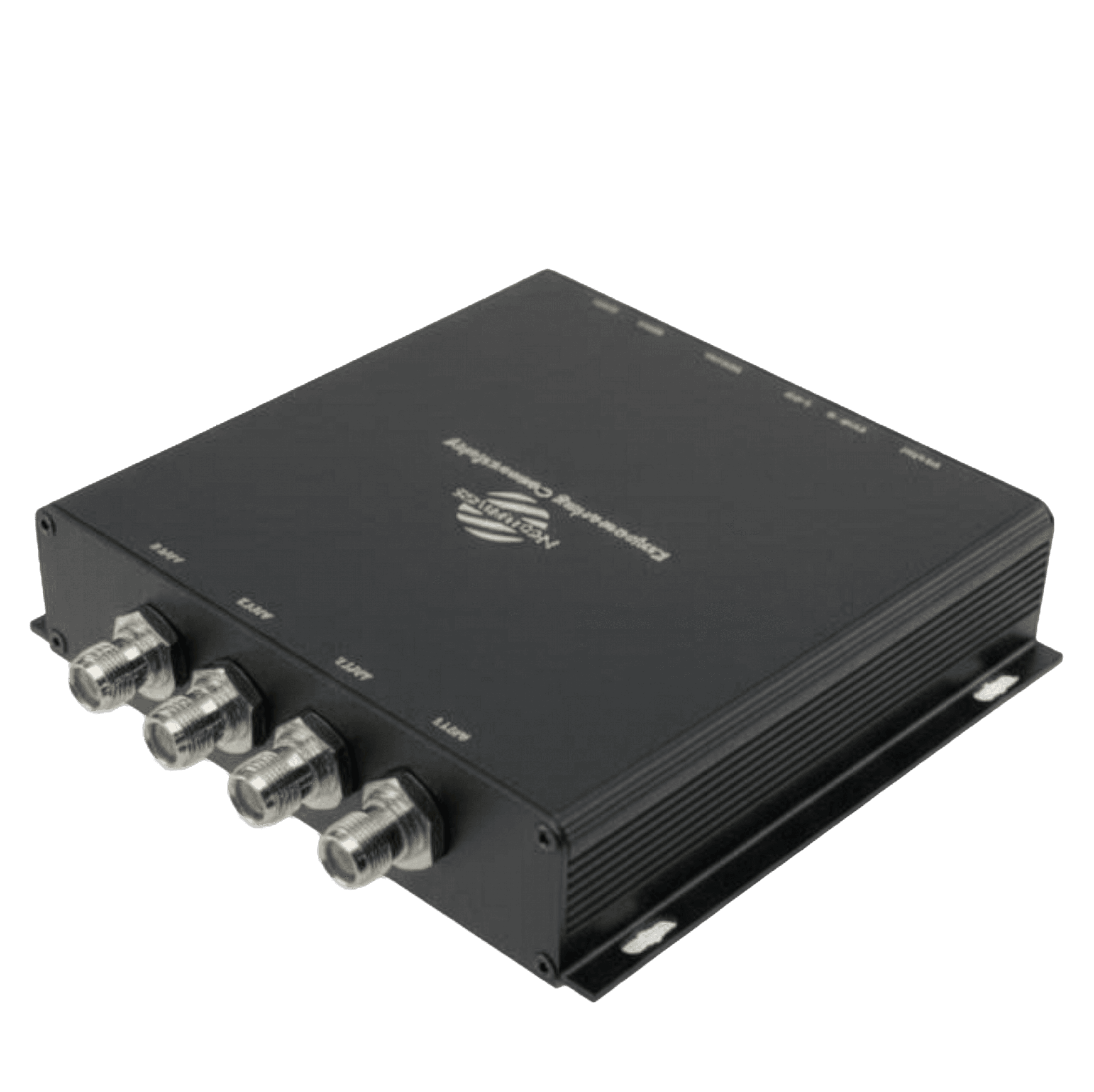
Alternative architecture

Lector RFID UHF IoT Fix NR155

APIs MQTT/REST cloud-native integrades. Sense SDKs propietaris, sense llicència de middleware. Integreu directament amb el vostre ERP o WMS en dies.

View Nextwaves NR155
Nextwaves NR155 Fixed IoT UHF RFID Reader

Ports d'Antena

4 ports RP-TNC

Velocitat de Lectura

Fins a 400 etiq./seg

Potència de Sortida

0–33 dBm (passos d'1 dB)

Protocol de Xarxa

MQTT / MQTTS

FAQ

Preguntes Freqüents

These answers help purchasing and engineering teams review cost, integration, and deployment risk.

01

Què és el qID (R1170I Ion)?

The CAEN RFID qID (R1170I Ion) is an extremely compact, Bluetooth-paired UHF RFID reader designed for short-range logistics tracking on the EPC C1 G2, ISO 18000-6C standards over 865-868 MHz (ETSI) / 902-928 MHz (FCC) waves.

02

Quant costa inicialment aquesta configuració?

Typically priced at $500 MSRP. Financial deployments must account for multi-unit docking stations, the limited lifespan of its embedded Li-Ion 3.7V 570mAh battery, and requisite host smartphones to orchestrate processing.

03

Per què hauria de triar Nextwaves?

Nextwaves hardware integrates embedded processing and network uplinks within a single chassis. Operators completely eliminate the Bluetooth tethering bottleneck, pushing real-time tracking data directly to cloud systems securely.

04

El maquinari és prou resistent per a magatzems?

Built as a fob scanner, it weighs incredibly only 57 g and measures 99 x 54 x 20 mm. The chassis meets IP54 dust and splash ratings, intended primarily for ad-hoc barcode/RFID scanning inside dry retail floors or vehicles.

05

Admet múltiples tipus de xarxa?

The module relies entirely on Bluetooth 2.1, USB profiles (like HID keyboard emulation or SPP serial data) to route raw asset hex codes strictly to a localized host tablet or PC.

06

El meu equip pot instal·lar-ho internament?

Initial configuration requires pairing the hardware physically to an OS host. Developers utilize the CAEN RFID API wrappers natively within their own host software logic to intercept triggered reads securely.

07

Com funciona la gestió remota?

Designed as a short-range identification tool rather than an inventory sweeper, read rates sit heavily dependant on local Bluetooth interference. Battery cycles dictate actual hardware availability rather than pure reading speeds.

08

Necessito programari propietari per executar-ho?

Deployments generally mandate utilizing the Bluetooth 2.1, USB serial port profiles alongside third-party middleware packages to transcribe hex arrays into HTTPS webhooks for remote delivery.

09

Quina garantia inclou el lector?

Standard CAEN warranty protocols generally cover factory issues for twelve months. Because its small battery is permanently encapsulated, fleet lifecycle limits are inextricably tied to chemical degradation.

10

Les antenes es venen per separat?

The internal mini-antenna is deeply constrained by its size block across the 865-868 MHz (ETSI) / 902-928 MHz (FCC) limits. Transmit power is drastically restricted (around 500mW ERP) to prevent immediate battery drain.