The ALR-9900+ is a legacy high-performance tracking device operating on 902-928 MHz. Compare its $1000 MSRP against modern, developer-friendly Nextwaves readers.
Especificacions tècniques
Visió general del maquinari
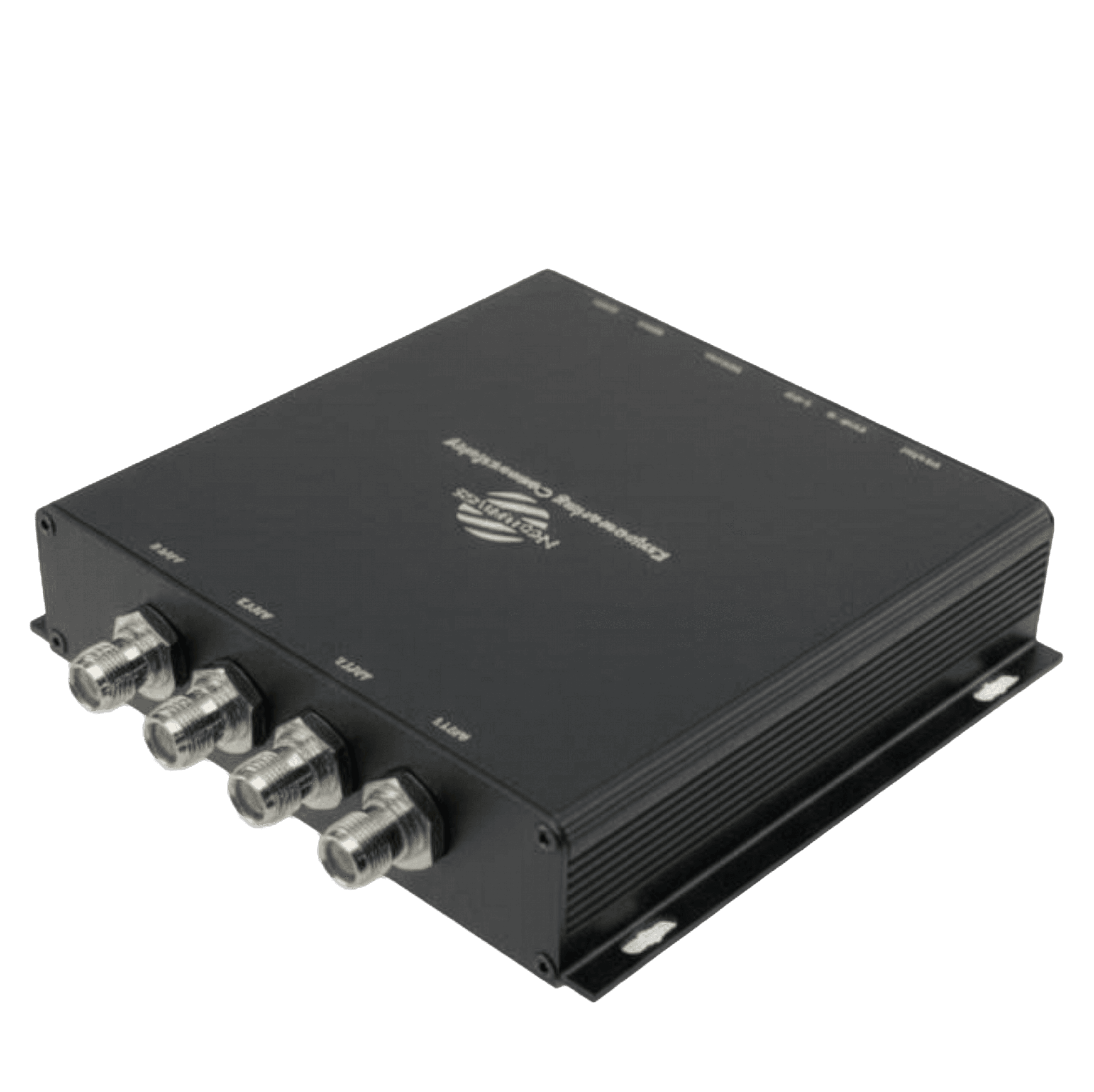
El Alien Technology ALR-9900+ és un dispositiu RFID de grau industrial. Funciona dins del rang de 902-928 MHz i admet l'estàndard EPC Gen 2, ISO 18000-6C, cosa que fa que s'utilitzi àmpliament en aplicacions de logística empresarial.
Amb una classificació IP de N/A, ofereix protecció contra condicions ambientals específiques típiques en magatzems o rebotigues. El lector utilitza AC-DC 100-240 VAC per a un rendiment continu, mentre que la seva velocitat màxima de lectura declarada arriba a N/A.
Connectivitat i integració de xarxes
En les implementacions modernes, la integració de la xarxa és l'obstacle més important. Aquest model ofereix LAN TCP/IP, RS-232 opcions per transferir dades als sistemes centrals.
No obstant això, un coll d'ampolla important amb el maquinari Alien Technology heretat és la gran dependència de SDK propietaris (com LLRP) o middleware IoT de tercers cars per processar dades de etiquetes en informació empresarial significativa.
L'alternativa Nextwaves
Si el vostre equip d'enginyeria està avaluant el Alien Technology ALR-9900+, el Nextwaves NR155 presenta una arquitectura nativa del núvol molt superior. Els sistemes heretats impulsen inherentment una despesa de capital elevada mitjançant el bloqueig del proveïdor i els ecosistemes de programari propietaris.
Nextwaves elimina completament aquesta barrera proporcionant una API REST MQTT estàndard directament al dispositiu. Els vostres desenvolupadors de programari poden integrar la lectura d'etiquetes directament al vostre backend ERP o WMS personalitzat en qüestió de dies en lloc de mesos, evitant completament les tarifes de llicència de middleware recurrents.
Preguntes Freqüents
Què és el ALR-9900+?
The Alien Technology ALR-9900+ is a stationary, multi-port RFID interrogator. Operating on the 902-928 MHz band, it supports the EPC Gen 2, ISO 18000-6C standard and utilizes Alien's specialized interference rejection electronics.
Quant costa inicialment aquesta configuració?
The reader has historically been priced around $1000. Facilities must also account for the costs of 4 high-gain antennas, coaxial loss-preventing cables, and the structural setup of its AC-DC 100-240 VAC power delivery.
Per què hauria de triar Nextwaves en lloc d'un altre?
Nextwaves provides embedded REST API and MQTT endpoints natively on the hardware. Software engineering teams can bypass complex EPC global LLRP structures and integrate RFID events directly into modern cloud systems natively.
És el maquinari prou durador per a magatzems?
The device weighs approximately 0.95 kg and measures 20.3 x 20.3 x 4.8 cm. Due to the lack of an IP washdown rating (N/A), it is best deployed inside industrial cabinets or environmentally controlled zones.
Admet múltiples tipus de xarxa?
Network integration physically routes through standard LAN TCP/IP, RS-232 connections. Direct serial polling is still supported for older, air-gapped logistics networks.
Pot el meu equip instal·lar-ho internament?
Physical mounting uses heavy-duty flanged screw mounts. To achieve optimal performance, RF engineers must adjust transmission power parameters and dense reader mode settings depending on interference.
Com funciona la gestió remota?
Remote management is generally conducted through the legacy Alien Reader Interface or third-party SNMP monitoring platforms.
Necessito programari propietari per executar-lo?
Integrators traditionally route data from the LAN TCP/IP, RS-232 ports into desktop middleware to handle de-duplication and aggregation. This significantly adds to system maintenance resources.
Quina garantia inclou el lector?
The manufacturer typically provides a standard one-year hardware warranty. Production deployments frequently require extended replacement SLAs to protect the investment in legacy infrastructure.
Les antenes es venen per separat?
External antennas are strictly mandatory. Cable length and antenna type must be carefully mathematically tuned across the 902-928 MHz frequency band to maximize power transmission without exceeding regional regulations.