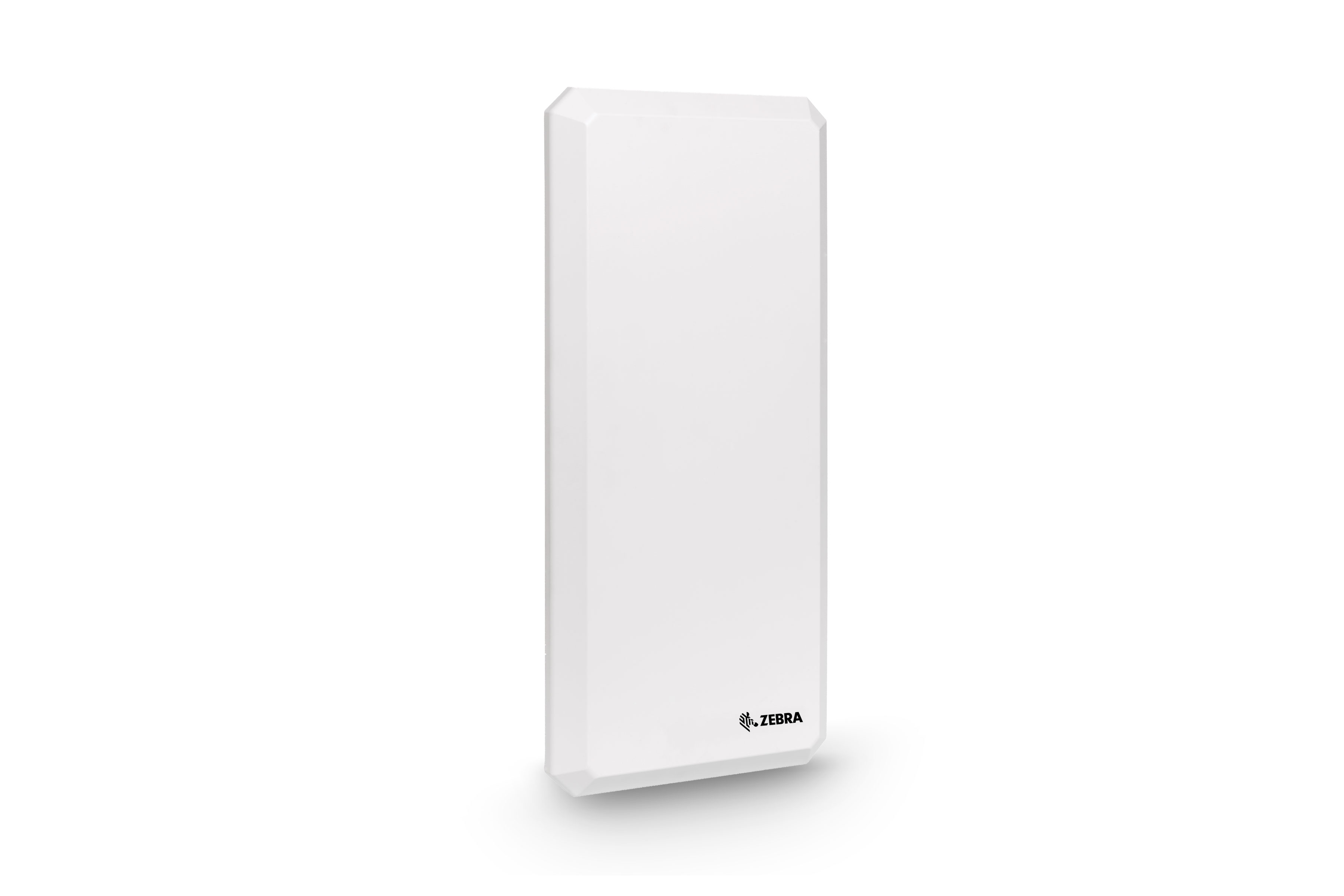
The Zebra AN440 is a massive 1.9 kg dual-element antenna for complex docks. Analyze its 571 x 251 mm footprint against sleek Nextwaves integrated designs.
Tegniese Spesifikasies
Hardeware Oorsig
Die Zebra AN440 is 'n industriële-graad RFID-toestel. Dit werk binne die 902-928 MHz / 865-868 MHz reeks en ondersteun die N/A (Passive Antenna Element) standaard, wat dit wyd ontplooi maak oor ondernemingslogistiek toepassings.
Met 'n IP-gradering van IP67, bied dit beskerming teen spesifieke omgewingstoestande tipies in pakhuise of kleinhandel agterkamers. Die leser gebruik N/A (Passive) vir deurlopende werkverrigting, terwyl die gespesifiseerde maksimum leessnelheid pieke by N/A (Passive).
Verbindings- en Netwerkintegrasie
In moderne ontplooiings is netwerkintegrasie die grootste hindernis. Hierdie model bied Dual Type N Female opsies vir die oordrag van data terug na sentrale stelsels.
’n Groot knelpunt met ou Zebra hardeware is egter die swaar afhanklikheid van eie SDK's (soos LLRP) of duur derdeparty IoT-middelware om rou merkerdata in betekenisvolle sake-intelligensie te verwerk.
Die Nextwaves Alternatief
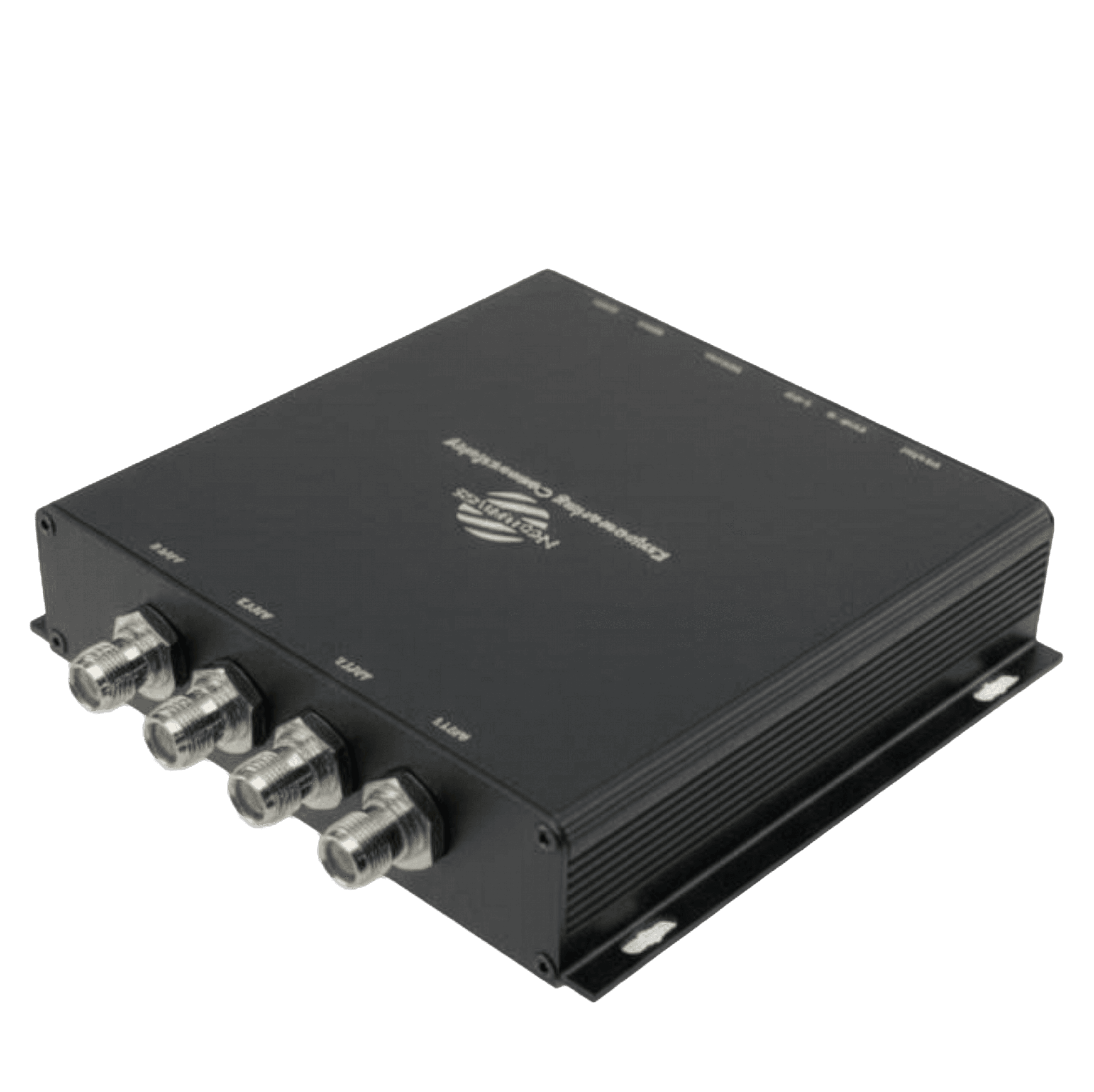
As jou ingenieurs-span die Zebra AN440 evalueer, bied die Nextwaves NR155 'n baie beter wolk-inheemse argitektuur. Ouer stelsels dryf inherent hoë kapitaaluitgawes aan deur verskaffers-insluiting en eie sagteware ekosisteme.
Nextwaves skakel hierdie hindernis heeltemal uit deur 'n standaard MQTT REST API direk op die toestel te verskaf. Jou sagteware-ontwikkelaars kan tag-lees direk in jou pasgemaakte ERP of WMS backend in dae in plaas van maande integreer, en sodoende herhalende lisensiefooie vir middeware heeltemal omseil.
Gereelde Vrae
Wat is die AN440?
The Zebra AN440 is a large, ruggedized dual-element RFID antenna designed for wide-area coverage and high-density dock doors. It broadcasts across 902-928 MHz / 865-868 MHz frequencies but processes no data natively, acting strictly as a passive element.
Hoeveel kos hierdie opstelling aanvanklik?
Pricing sits roughly at $300. This is purely for the antenna casing itself; deployments also mandate sourcing expensive coaxial N-Type junction cables, heavy gauge mounting poles, and a separate four-port enterprise RFID reader (like an FX9600).
Hoekom moet ek Nextwaves eerder kies?
Building legacy portals involves routing heavy coaxial cables into switch boxes. Nextwaves supplies single-integrated reader/antenna slabs that plug directly into standard PoE networking switches, eliminating complex impedance tuning.
Is die hardeware duursaam genoeg vir pakhuise?
The unit boasts an IP67 rating constructed out of UV-stable plastics and aluminum. Measuring an incredibly massive 571.5 x 251.4 x 39.8 mm and weighing 1.9 kg, it requires specialized, heavy-duty mounting hardware capable of withstanding industrial wind sheer.
Ondersteun dit verskeie netwerktipes?
Data connectivity is completely irrelevant as this is merely a broadcast plate. The Dual Type N Female RF ports connect strictly to thick, heavily shielded RF cables linking backward to the central proprietary interrogator.
Kan my span dit intern installeer?
Technicians securely mount the heavy frame to bay doors using specialized articulating VESA arms. The installation requires fine impedance tuning using RF spectrum tools to negate line-loss experienced across the massive N-type cable runs.
Hoe werk die afstandbestuur?
It possesses zero N/A (Passive) rating and requires zero firmware. The actual decoding speed is managed entirely by the centralized reader unit that pulses current into it.
Benodig ek eie sagteware om dit te gebruik?
Software integration does not apply to passive elements. Engineers must focus their backend coding efforts exclusively on the external reader module that sources energy outwards through the Dual Type N Female connectors.
Watter waarborg kom saam met die leser?
Constructed for brutal outdoor logistics, its aluminum housing prevents weather degradation over significant lifespans. Warranties only protect against internal soldering breaks disconnected from physical impacts.
Word die antennas apart verkoop?
Generating enormous 9.0 dBic Dual-Circular polarization across the 902-928 MHz / 865-868 MHz bandwidths. Providing distinct dual ports, operators can configure complex bi-static (read/write separated) logic flows.