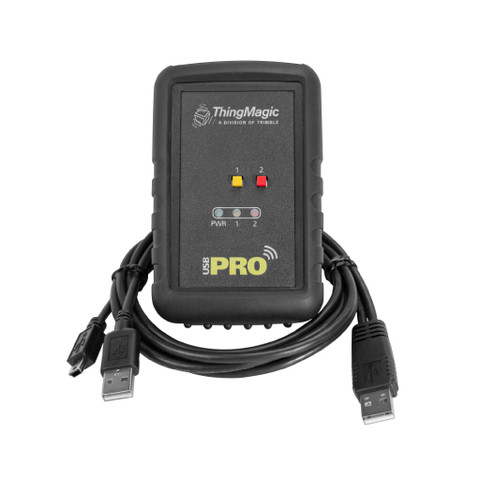
The ThingMagic USB Pro is a $700 specialized desktop reader reliant on USB. Compare its wired requirements against Nextwaves wireless autonomous hardware.
Tegniese Spesifikasies
Hardeware Oorsig
Die ThingMagic (JADAK) USB Pro is 'n industriële-graad RFID-toestel. Dit werk binne die Global reeks en ondersteun die EPC Gen2v2, ISO 18000-63 standaard, wat dit wyd ontplooi maak oor ondernemingslogistiek toepassings.
Met 'n IP-gradering van indoor rating, bied dit beskerming teen spesifieke omgewingstoestande tipies in pakhuise of kleinhandel agterkamers. Die leser gebruik USB Bus Power vir deurlopende werkverrigting, terwyl die gespesifiseerde maksimum leessnelheid pieke by ~50 tags/sec.
Verbindings- en Netwerkintegrasie
In moderne ontplooiings is netwerkintegrasie die grootste hindernis. Hierdie model bied USB 2.0 Type A opsies vir die oordrag van data terug na sentrale stelsels.
’n Groot knelpunt met ou ThingMagic (JADAK) hardeware is egter die swaar afhanklikheid van eie SDK's (soos LLRP) of duur derdeparty IoT-middelware om rou merkerdata in betekenisvolle sake-intelligensie te verwerk.
Die Nextwaves Alternatief
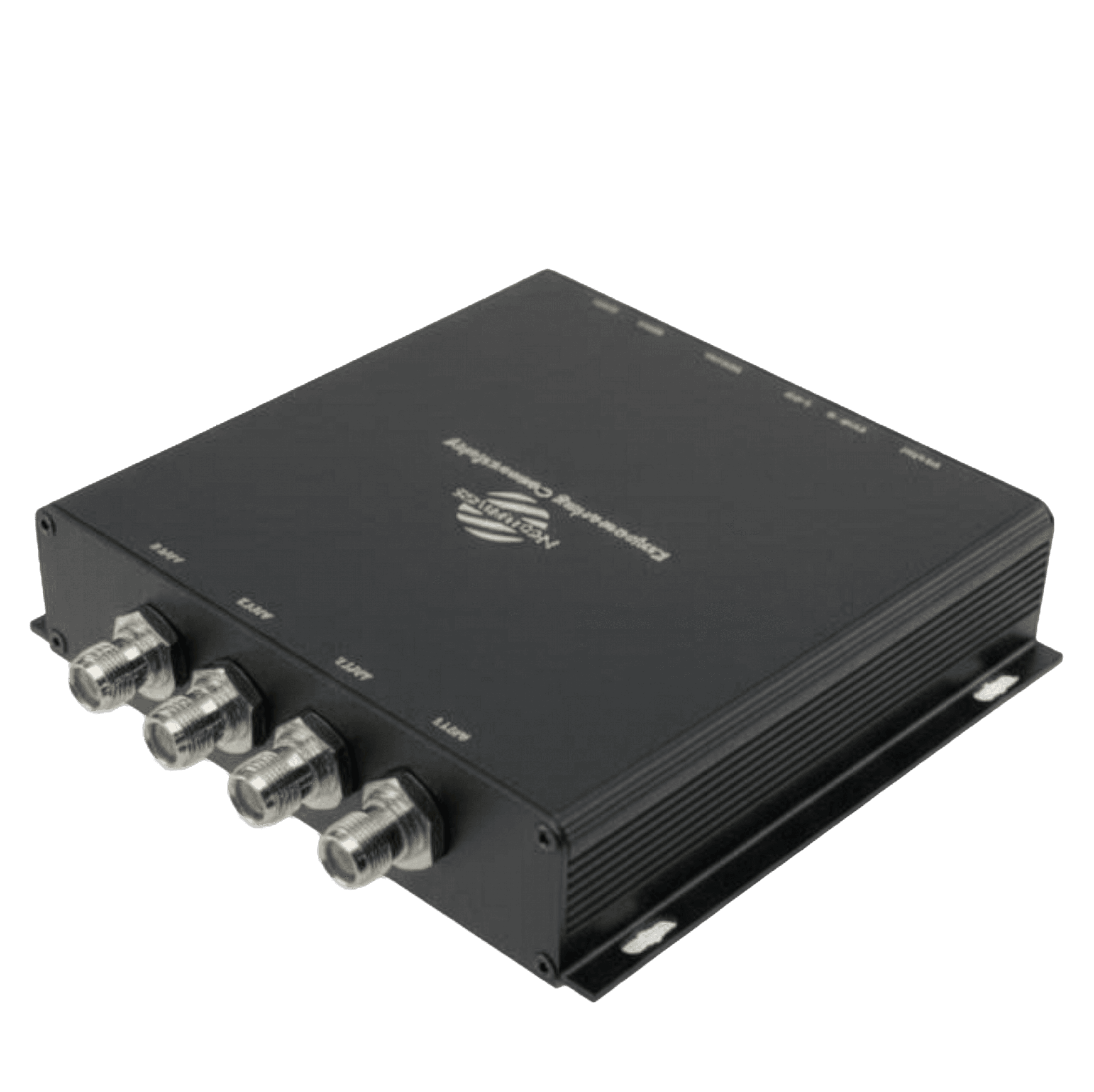
As jou ingenieurs-span die ThingMagic (JADAK) USB Pro evalueer, bied die Nextwaves NR155 'n baie beter wolk-inheemse argitektuur. Ouer stelsels dryf inherent hoë kapitaaluitgawes aan deur verskaffers-insluiting en eie sagteware ekosisteme.
Nextwaves skakel hierdie hindernis heeltemal uit deur 'n standaard MQTT REST API direk op die toestel te verskaf. Jou sagteware-ontwikkelaars kan tag-lees direk in jou pasgemaakte ERP of WMS backend in dae in plaas van maande integreer, en sodoende herhalende lisensiefooie vir middeware heeltemal omseil.
Gereelde Vrae
Wat is die USB Pro?
The ThingMagic (JADAK) USB Pro is a stationary, desktop-mounted RFID interrogator. It supports the EPC Gen2v2, ISO 18000-63 protocols over Global frequencies, primarily intended for individual asset encoding, access credential issuance, and point-of-sale checkout.
Hoeveel kos hierdie opstelling aanvanklik?
Retail pricing typically falls around $700. Deployment budgeting is generally simple since it relies on USB Bus Power directly from the connected PC host without needing external AC wiring or separate antenna brackets.
Hoekom moet ek Nextwaves eerder kies?
Nextwaves infrastructure utilizes standalone networking hardware to communicate directly to your SQL databases via webhooks. You completely remove the requirement of keeping a Windows PC constantly powered simply to shuttle EPC data.
Is die hardeware duursaam genoeg vir pakhuise?
The aluminum enclosure checks in at 0.27 kg and measures 97 x 61 x 25 mm. It carries an indoor rating, intended strictly for dry, climate-controlled environments like ticketing booths or developer testing benches.
Ondersteun dit verskeie netwerktipes?
Data routing is strictly confined to a physical USB 2.0 Type A interface. It establishes no network connections of its own, meaning all security auditing falls entirely on the policies of the connected host computer.
Kan my span dit intern installeer?
Setup is heavily reliant on the ThingMagic Mercury API. Software teams must compile C# / Java bindings to initialize the reader, control the internal transceiver, and manage the stream of incoming hex identifiers.
Hoe werk die afstandbestuur?
Driven internally by an M6e-Micro module, the desktop read speed peaks at roughly ~50 tags/sec. It is optimized for near-field single tag targeting rather than high-density warehousing sweeps.
Benodig ek eie sagteware om dit te gebruik?
Because it acts as a peripheral via its USB 2.0 Type A link, developers must write host-side daemon software that polls the USB pipe, packages the data into JSON, and transmits it out to enterprise logistics systems.
Watter waarborg kom saam met die leser?
JADAK supports the USB Pro with a standard desktop hardware warranty. System integrations often utilize it primarily as a programming station rather than a critical high-throughput checkpoint.
Word die antennas apart verkoop?
This model integrates a small ceramic antenna tuned across a wide Global broadband footprint. It deliberately restricts transmit output (up to +30 dBm) to prevent reading unintended tags situated further away in the room.