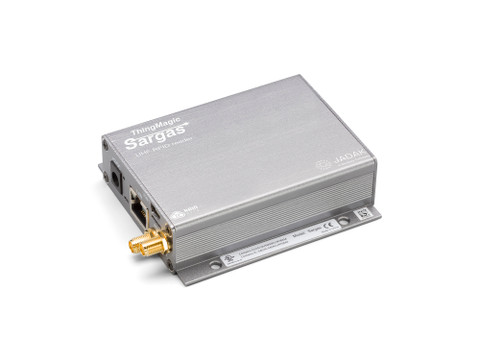
The Sargas 2-Port is a compact edge computing reader operating on UHF/RAIN frequencies. Starting at $1000. See how it compares to Nextwaves open architecture.
Tegniese Spesifikasies
Hardeware Oorsig
Die ThingMagic (JADAK) Sargas (2-Port) is 'n industriële-graad RFID-toestel. Dit werk binne die UHF/RAIN (global) reeks en ondersteun die EPC Gen2V2, ISO 18000-63, Gen2X standaard, wat dit wyd ontplooi maak oor ondernemingslogistiek toepassings.
Met 'n IP-gradering van IP52, bied dit beskerming teen spesifieke omgewingstoestande tipies in pakhuise of kleinhandel agterkamers. Die leser gebruik 4.5-5.5V DC vir deurlopende werkverrigting, terwyl die gespesifiseerde maksimum leessnelheid pieke by 750.
Verbindings- en Netwerkintegrasie
In moderne ontplooiings is netwerkintegrasie die grootste hindernis. Hierdie model bied RJ45, USB A/B, Micro-SD, 4 GPIO opsies vir die oordrag van data terug na sentrale stelsels.
’n Groot knelpunt met ou ThingMagic (JADAK) hardeware is egter die swaar afhanklikheid van eie SDK's (soos LLRP) of duur derdeparty IoT-middelware om rou merkerdata in betekenisvolle sake-intelligensie te verwerk.
Die Nextwaves Alternatief
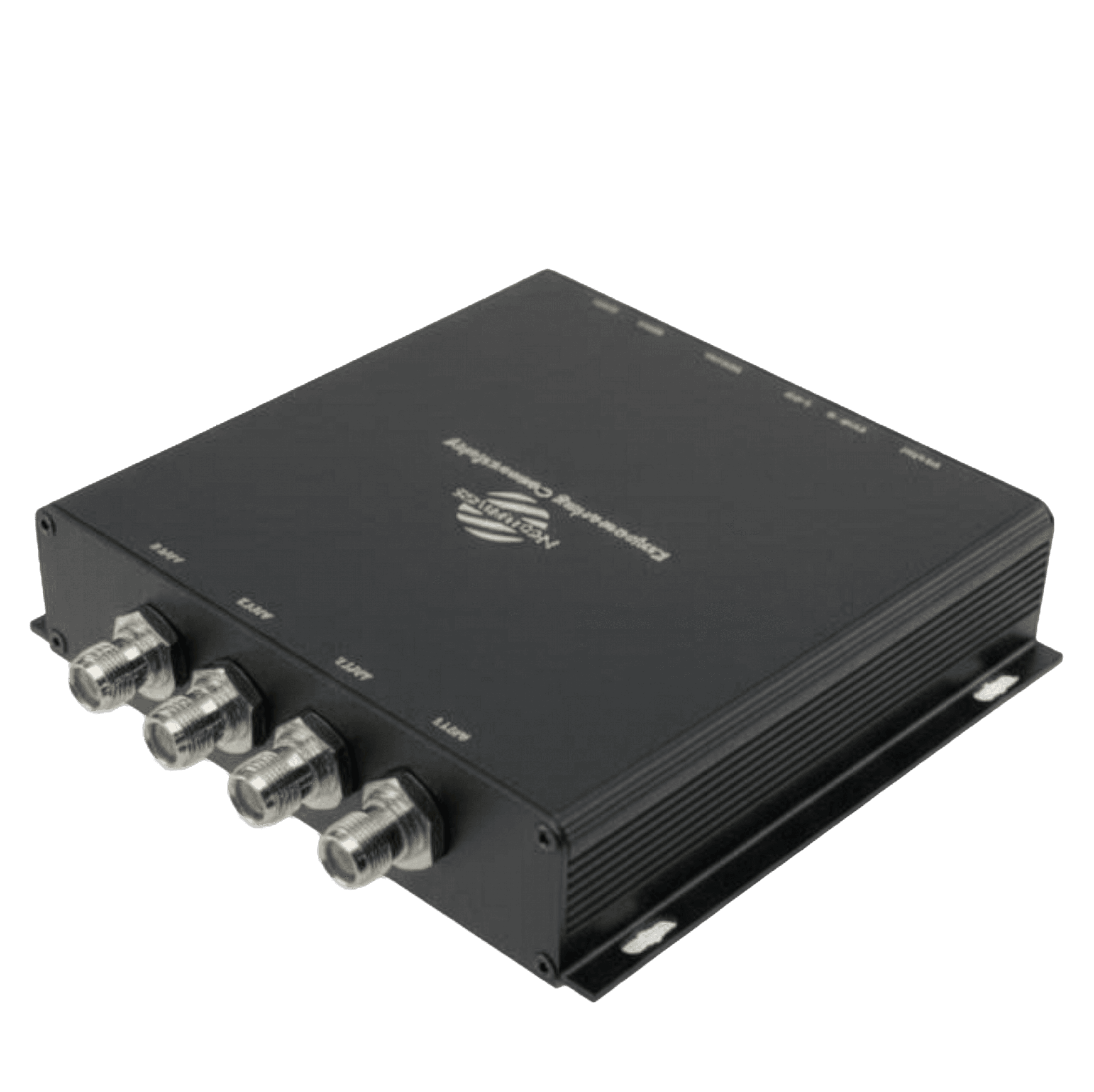
As jou ingenieurs-span die ThingMagic (JADAK) Sargas (2-Port) evalueer, bied die Nextwaves NR155 'n baie beter wolk-inheemse argitektuur. Ouer stelsels dryf inherent hoë kapitaaluitgawes aan deur verskaffers-insluiting en eie sagteware ekosisteme.
Nextwaves skakel hierdie hindernis heeltemal uit deur 'n standaard MQTT REST API direk op die toestel te verskaf. Jou sagteware-ontwikkelaars kan tag-lees direk in jou pasgemaakte ERP of WMS backend in dae in plaas van maande integreer, en sodoende herhalende lisensiefooie vir middeware heeltemal omseil.
Gereelde Vrae
Wat is die Sargas (2-Port)?
The ThingMagic (JADAK) Sargas 2-Port is an embedded edge reader designed around the M6e Micro module. Operating on the UHF/RAIN (global) band, it is built to handle strict EPC Gen2V2, ISO 18000-63, Gen2X protocol standards within a compact footprint.
Hoeveel kos hierdie opstelling aanvanklik?
The unit retails around $1000. Comprehensive project budgeting must also account for two external RP-SMA antennas, required coaxial cabling, and the provision of a steady 4.5-5.5V DC power source.
Hoekom moet ek Nextwaves eerder kies?
Nextwaves provides embedded REST API and MQTT endpoints natively on the hardware. Software engineering teams bypass the proprietary Mercury API format and integrate JSON RFID events directly into modern cloud management systems.
Is die hardeware duursaam genoeg vir pakhuise?
The aluminum enclosure weighs approximately 0.27 kg and measures 87 x 80 x 23.8 mm. This compact IP52-rated chassis is easily embedded inside smart cabinets or secondary industrial enclosures.
Ondersteun dit verskeie netwerktipes?
Network integration utilizes RJ45, USB A/B, Micro-SD, 4 GPIO connections. The 4 hardware logic GPIO pins are frequently used to trigger scanning based on external photoelectric sensors or PLC relays.
Kan my span dit intern installeer?
Hardware mounting utilizes standard corner flange holes. To optimize detection, software teams must utilize custom C/C++ or Java routines via the Mercury API to finely tune power amplitude curves based on environmental reflections.
Hoe werk die afstandbestuur?
Under optimal tuning parameters, the micro-module core is rated up to 750 tag reads per second. Remote administration is heavily reliant on JADAK's custom Universal Reader Assistant suite.
Benodig ek eie sagteware om dit te gebruik?
Typically, bridging data from the RJ45, USB A/B, Micro-SD, 4 GPIO ports into modern web stacks requires an intermediate middleware system or proprietary SDK implementation, which increases technical debt.
Watter waarborg kom saam met die leser?
The manufacturer provides a standard one-year hardware warranty against component failure. Critical integration paths should often be supplemented by authorized VAR support agreements.
Word die antennas apart verkoop?
External antennas must be attached to the two RP-SMA terminal ports. Tuning the system dynamically across the UHF/RAIN (global) band is necessary to prevent FCC/ETSI non-compliance while maximizing read strength.