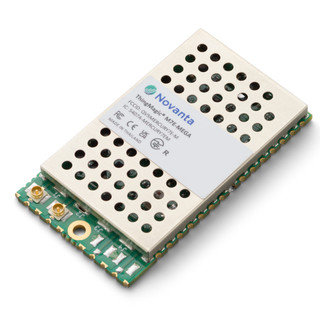
The ThingMagic M7e-Mega is an $200 Impinj E710 OEM module. Evaluate its raw UART integration requirements against Nextwaves standalone IP gateways.
Tegniese Spesifikasies
Hardeware Oorsig
Die ThingMagic (JADAK) M7e-Mega is 'n industriële-graad RFID-toestel. Dit werk binne die Global (860-960 MHz) reeks en ondersteun die EPC Gen2v2, ISO 18000-63 standaard, wat dit wyd ontplooi maak oor ondernemingslogistiek toepassings.
Met 'n IP-gradering van Bare PCB (None), bied dit beskerming teen spesifieke omgewingstoestande tipies in pakhuise of kleinhandel agterkamers. Die leser gebruik 3.3V to 5.25V DC vir deurlopende werkverrigting, terwyl die gespesifiseerde maksimum leessnelheid pieke by up to ~800 tags/sec.
Verbindings- en Netwerkintegrasie
In moderne ontplooiings is netwerkintegrasie die grootste hindernis. Hierdie model bied UART Serial / USB opsies vir die oordrag van data terug na sentrale stelsels.
’n Groot knelpunt met ou ThingMagic (JADAK) hardeware is egter die swaar afhanklikheid van eie SDK's (soos LLRP) of duur derdeparty IoT-middelware om rou merkerdata in betekenisvolle sake-intelligensie te verwerk.
Die Nextwaves Alternatief
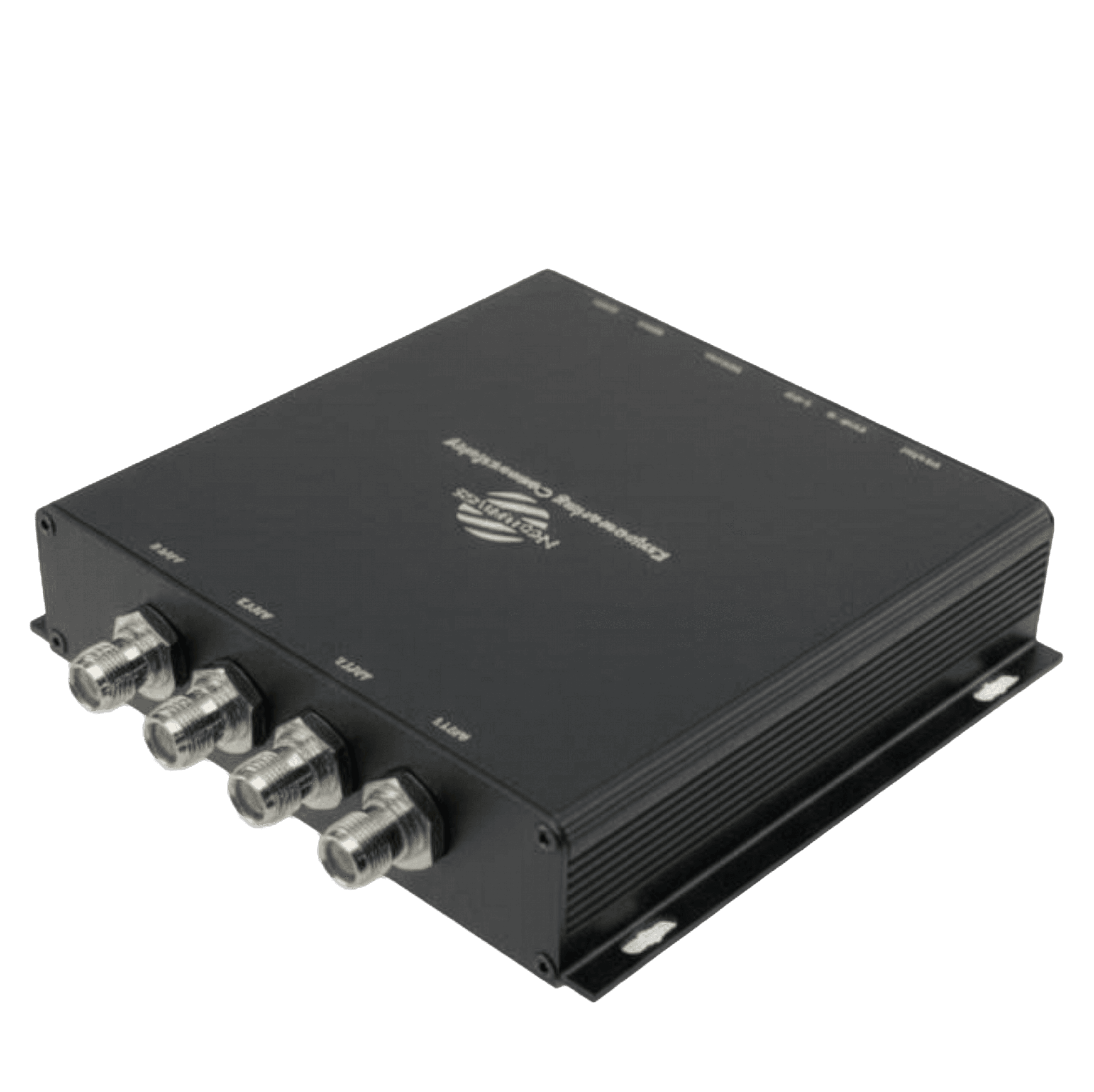
As jou ingenieurs-span die ThingMagic (JADAK) M7e-Mega evalueer, bied die Nextwaves NR155 'n baie beter wolk-inheemse argitektuur. Ouer stelsels dryf inherent hoë kapitaaluitgawes aan deur verskaffers-insluiting en eie sagteware ekosisteme.
Nextwaves skakel hierdie hindernis heeltemal uit deur 'n standaard MQTT REST API direk op die toestel te verskaf. Jou sagteware-ontwikkelaars kan tag-lees direk in jou pasgemaakte ERP of WMS backend in dae in plaas van maande integreer, en sodoende herhalende lisensiefooie vir middeware heeltemal omseil.
Gereelde Vrae
Wat is die M7e-Mega?
The ThingMagic (JADAK) M7e-Mega is a high-grade surface mount module leveraging the flagship Impinj E710 IC design. Sweeping over Global (860-960 MHz) spans, it targets EPC Gen2v2, ISO 18000-63 tags intended to build bespoke fixed overhead portal or tunnel systems.
Hoeveel kos hierdie opstelling aanvanklik?
Single raw modules cost roughly $200. The OEM assumes significant financial risk managing mass PCB assembly processes, specialized thermal chassis designs, embedded Linux processor routing, and full FCC testing protocols.
Hoekom moet ek Nextwaves eerder kies?
Integrating raw modules ties engineering resources directly to hardware debugging. Nextwaves provides out-of-the-box sealed edge IP readers equipped with secure web APIs, letting developers focus solely on backend dashboarding.
Is die hardeware duursaam genoeg vir pakhuise?
Physically, the wafer is unshielded, holding a strict Bare PCB (None) rating over its 46 x 26 x 4 mm and 3 g footprint. The enclosure engineered by the OEM dictates its ultimate moisture and dust tolerances.
Ondersteun dit verskeie netwerktipes?
Data routing on the board is bottlenecked directly through UART Serial / USB surface pins. Bridging into a standard network necessitates marrying the module to a robust Raspberry Pi or similar generic MCU.
Kan my span dit intern installeer?
Setup demands surface-mount soldering the transceiver array logic. Programmers must use the ThingMagic Mercury SDK to interface directly with the module and orchestrate the tight RF hopping intervals and anti-collision windows.
Hoe werk die afstandbestuur?
Because it utilizes the robust E710 IC, read throughput can theoretically hit up to ~800 tags/sec. Maintaining this relies inherently on the host CPU preventing localized serial buffer choke points.
Benodig ek eie sagteware om dit te gebruik?
Software routing mandates building daemon processes running on a parent Linux/RTOS box that translates localized hex streams passing out of the UART logic into compliant JSON packages shot towards cloud REST APIs.
Watter waarborg kom saam met die leser?
While the base silicon holds standard defect warranties, guaranteeing the lifecycle of customized high-power RF electronics relies entirely upon how effectively the OEM dissipates +30 dBm thermal build up.
Word die antennas apart verkoop?
Equipped with up to four U.FL multiplexed antenna connectors operating within Global (860-960 MHz) constraints. Delivering up to +30 dBm natively, it provides the core engineering block required for enterprise zone monitoring.