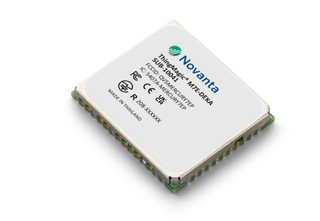
The ThingMagic M7e-Deka is a miniature $120 UHF module based on the Impinj E310 core. Understand the engineering costs for deep hardware embedding.
Tegniese Spesifikasies
Hardeware Oorsig
Die ThingMagic (JADAK) M7e-Deka is 'n industriële-graad RFID-toestel. Dit werk binne die Global (860-960 MHz) reeks en ondersteun die EPC Gen2v2, ISO 18000-63 standaard, wat dit wyd ontplooi maak oor ondernemingslogistiek toepassings.
Met 'n IP-gradering van Bare PCB (None), bied dit beskerming teen spesifieke omgewingstoestande tipies in pakhuise of kleinhandel agterkamers. Die leser gebruik 3.3V to 5.25V DC vir deurlopende werkverrigting, terwyl die gespesifiseerde maksimum leessnelheid pieke by up to ~300 tags/sec.
Verbindings- en Netwerkintegrasie
In moderne ontplooiings is netwerkintegrasie die grootste hindernis. Hierdie model bied UART Serial / USB opsies vir die oordrag van data terug na sentrale stelsels.
’n Groot knelpunt met ou ThingMagic (JADAK) hardeware is egter die swaar afhanklikheid van eie SDK's (soos LLRP) of duur derdeparty IoT-middelware om rou merkerdata in betekenisvolle sake-intelligensie te verwerk.
Die Nextwaves Alternatief
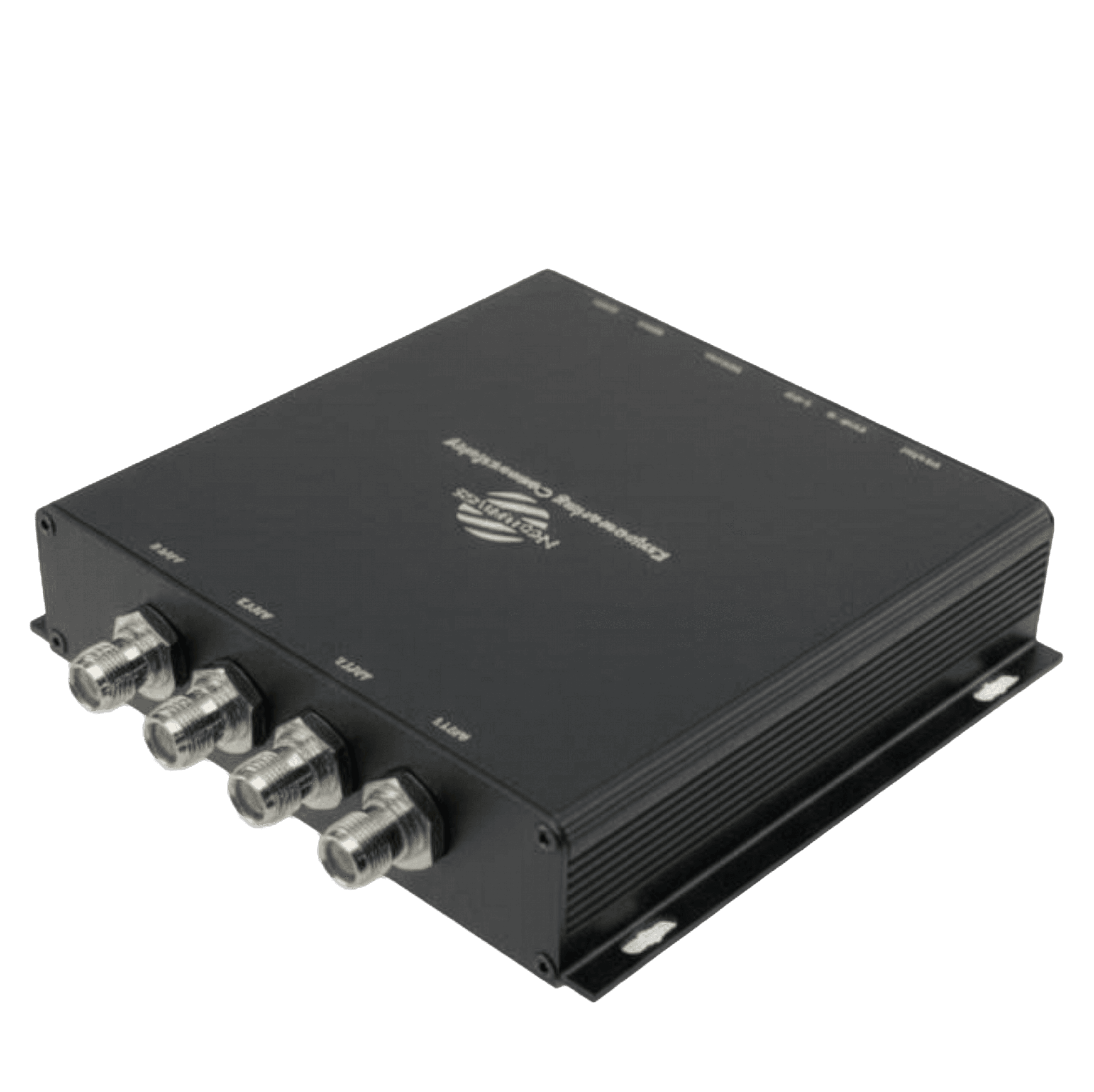
As jou ingenieurs-span die ThingMagic (JADAK) M7e-Deka evalueer, bied die Nextwaves NR155 'n baie beter wolk-inheemse argitektuur. Ouer stelsels dryf inherent hoë kapitaaluitgawes aan deur verskaffers-insluiting en eie sagteware ekosisteme.
Nextwaves skakel hierdie hindernis heeltemal uit deur 'n standaard MQTT REST API direk op die toestel te verskaf. Jou sagteware-ontwikkelaars kan tag-lees direk in jou pasgemaakte ERP of WMS backend in dae in plaas van maande integreer, en sodoende herhalende lisensiefooie vir middeware heeltemal omseil.
Gereelde Vrae
Wat is die M7e-Deka?
The ThingMagic (JADAK) M7e-Deka is an embedded UHF RFID transceiver board engineered around the Impinj E310 IC. Capable of EPC Gen2v2, ISO 18000-63 decoding over the Global (860-960 MHz) block, it is used primarily in point-of-sale peripherals.
Hoeveel kos hierdie opstelling aanvanklik?
Raw modules cost approximately $120 per unit. Like all SMD components, the true cost scales drastically when budgeting for carrier boards, antenna arrays, power management logic, and the central microprocessor.
Hoekom moet ek Nextwaves eerder kies?
Embedding raw RF modules requires extensive C++ firmware expertise. Nextwaves supplies ready-to-mount smart nodes that already possess the physical casing, power management, and HTTP bridging logic, saving months of engineering.
Is die hardeware duursaam genoeg vir pakhuise?
Because it is a bare circuit board measuring 46 x 26 x 4 mm and weighing just 3 g, the module carries a Bare PCB (None) rating. Operators must design a rigid enclosure to shield it from factory or retail dust.
Ondersteun dit verskeie netwerktipes?
Data pipes strictly through UART Serial / USB boundary logic pins. Bridging this data into enterprise networks requires the parent device to provide secondary Ethernet or Wi-Fi processors.
Kan my span dit intern installeer?
Final integration necessitates attaching the module onto a larger custom PCB. Software commands must be structured using the ThingMagic Mercury SDK executed securely by the master generic microprocessor.
Hoe werk die afstandbestuur?
Optimized for mid-range scanning, the core IC scales processing to up to ~300 tags/sec. It serves primarily as a friction-less gateway rather than a massive area scanner.
Benodig ek eie sagteware om dit te gebruik?
Transferring scanned strings to cloud infrastructure relies fully on your custom host firmware. To bypass legacy Bluetooth or Serial limitations, developers must code logic that pipes local serial streams into active REST connections.
Watter waarborg kom saam met die leser?
The hardware holds a standard 12-month defect warranty, but component lifecycle spans are deeply tied to the thermal efficiency and static shielding of the OEM's proprietary carrier board design.
Word die antennas apart verkoop?
A single MMCX connection handles external antenna routing across the Global (860-960 MHz) bands. Peak transmit gain extends up to +27 dBm, which demands dedicated thermal throttling logic.