
The Impinj xArray Gateway is a premium ceiling-mounted tracking system operating on 860-960 MHz, priced around $4000. It maxes out at ~1,000 tags per second.
Tegniese Spesifikasies
Hardeware Oorsig
Die Impinj xArray Gateway is 'n industriële-graad RFID-toestel. Dit werk binne die 860-960 MHz reeks en ondersteun die EPCglobal UHF Gen2v2 / ISO 18000-63 standaard, wat dit wyd ontplooi maak oor ondernemingslogistiek toepassings.
Met 'n IP-gradering van N/A, bied dit beskerming teen spesifieke omgewingstoestande tipies in pakhuise of kleinhandel agterkamers. Die leser gebruik PoE, +24Vdc vir deurlopende werkverrigting, terwyl die gespesifiseerde maksimum leessnelheid pieke by ~1,000.
Verbindings- en Netwerkintegrasie
In moderne ontplooiings is netwerkintegrasie die grootste hindernis. Hierdie model bied IEEE 802.3af PoE opsies vir die oordrag van data terug na sentrale stelsels.
’n Groot knelpunt met ou Impinj hardeware is egter die swaar afhanklikheid van eie SDK's (soos LLRP) of duur derdeparty IoT-middelware om rou merkerdata in betekenisvolle sake-intelligensie te verwerk.
Die Nextwaves Alternatief
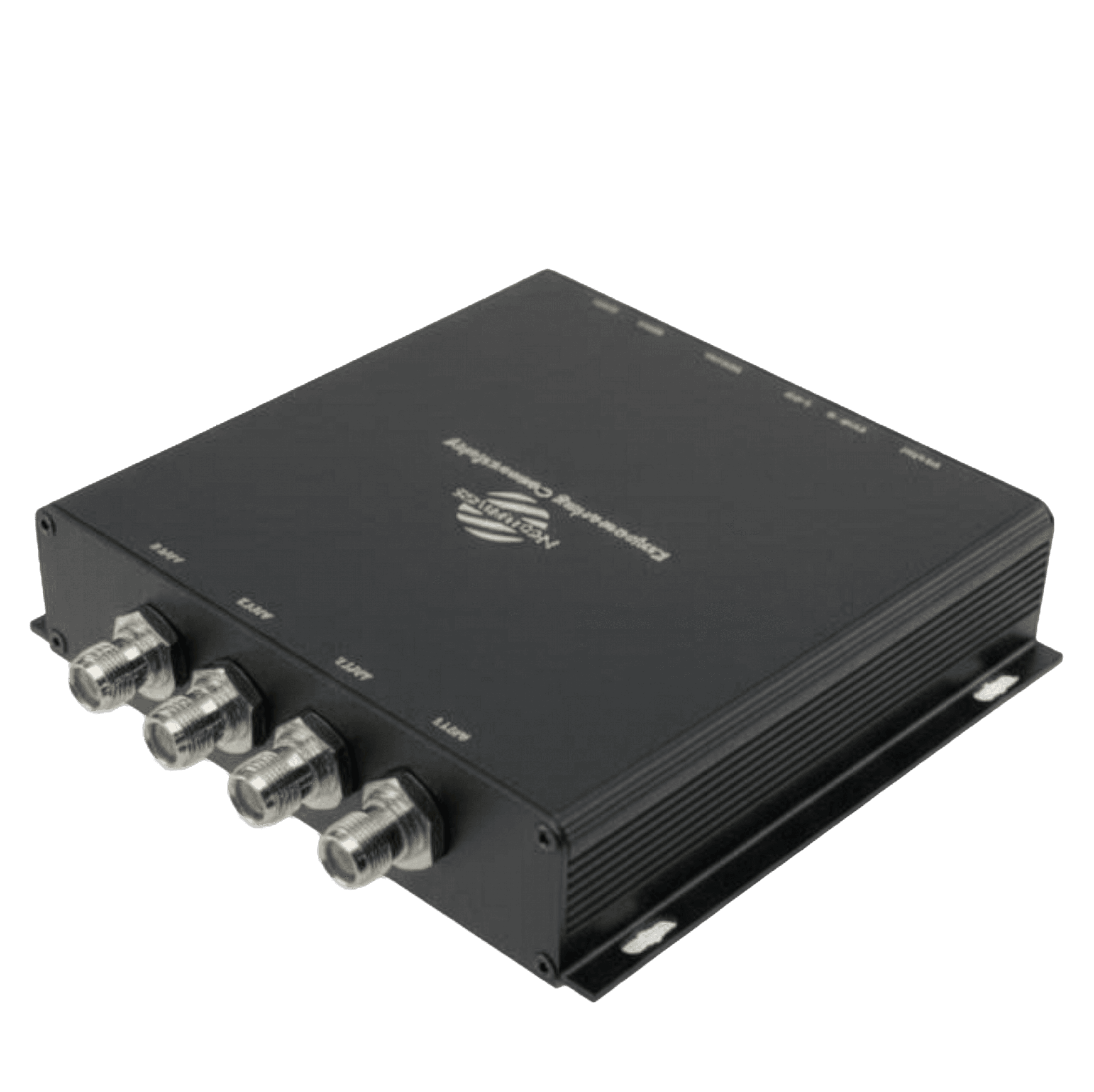
As jou ingenieurs-span die Impinj xArray Gateway evalueer, bied die Nextwaves NR155 'n baie beter wolk-inheemse argitektuur. Ouer stelsels dryf inherent hoë kapitaaluitgawes aan deur verskaffers-insluiting en eie sagteware ekosisteme.
Nextwaves skakel hierdie hindernis heeltemal uit deur 'n standaard MQTT REST API direk op die toestel te verskaf. Jou sagteware-ontwikkelaars kan tag-lees direk in jou pasgemaakte ERP of WMS backend in dae in plaas van maande integreer, en sodoende herhalende lisensiefooie vir middeware heeltemal omseil.
Gereelde Vrae
Wat is die xArray Gateway?
The Impinj xArray Gateway is an enterprise-grade wide-area tracking system designed for ceiling deployment. Operating on the 860-960 MHz band, it fully supports the EPCglobal UHF Gen2v2 / ISO 18000-63 standard for high-volume environments requiring spatial resolution.
Hoeveel kos hierdie opstelling aanvanklik?
The base unit is generally priced around $4000. However, total deployment costs will increase substantially depending on enterprise middleware licensing (ItemSense) and the specifics of your PoE, +24Vdc electrical infrastructure.
Hoekom moet ek Nextwaves eerder kies?
Nextwaves provides embedded REST API and MQTT endpoints natively on the device. This allows software engineering teams to bypass expensive third-party IoT middleware and integrate X/Y coordinate or zone data directly into modern ERPs or custom software backends.
Is die hardeware duursaam genoeg vir pakhuise?
The device weighs approximately 8.0 kg and measures 46.7 x 46.7 x 7.5 cm. Given its form factor and rating (N/A), it requires a robust drop-ceiling mount and climate-controlled indoor atmosphere.
Ondersteun dit verskeie netwerktipes?
Network integration is handled via its IEEE 802.3af PoE interfaces. Standard enterprise security protocols can be applied over these connections, though dedicated VLANs are often recommended for IoT hardware of this scale.
Kan my span dit intern installeer?
Physical mounting utilizes heavy-duty VESA brackets. Optimizing RF performance requires highly trained technicians to properly tune the array's 52 antenna beam sectors to your specific room geometry.
Hoe werk die afstandbestuur?
Under optimal conditions, the hardware is rated for ~1,000 reads per second. Remote device management and firmware updates are handled via specialized central controllers.
Benodig ek eie sagteware om dit te gebruik?
Most legacy deployments require an intermediate middleware layer to feed data from the IEEE 802.3af PoE ports into spatial web applications. This adds both architectural complexity and recurring licensing costs.
Watter waarborg kom saam met die leser?
The manufacturer typically provides a standard one-year hardware warranty. Extended enterprise support contracts and SLAs are generally required for complex array deployments.
Word die antennas apart verkoop?
The xArray utilizes a built-in phased array antenna array. Tuning this configuration across the 860-960 MHz spectrum is critical to achieving its marketed ability to locate items within X/Y coordinates in a room.